On July 24, firefighters in Grand Haven Township found eight members of the Karolkiewicz family dead in an act of violence that is almost impossible to comprehend.
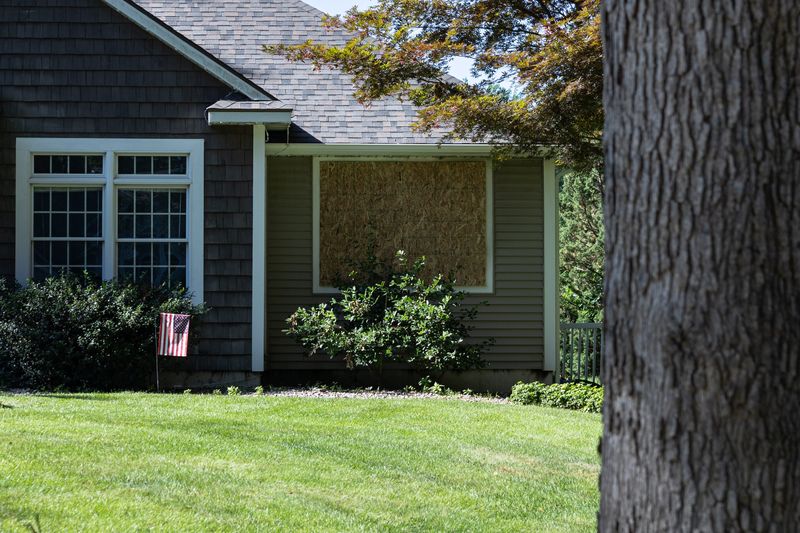
Authorities said Kristopher Karolkiewicz killed his wife and six children before setting the family’s home on fire and committing suicide. Eight souls gone in an instant. And a community asks the same question communities always ask after such tragedies: How could this happen? What did we miss?

The truth is we may never know.
There may have been struggles hidden from public view. Family members and friends may spend years replaying conversations, searching for signs they may have overlooked. We should resist the temptation to convince ourselves that we can neatly explain what often defies explanation.
Whenever I hear about a tragedy like this, the summer of 1975 returns to my mind like it was yesterday. A brutal murder in my town cost Plain Dealing, La., its imagined innocence when someone clubbed businesswoman Dorothy Webb to death. Before then, people did not lock their doors or imagine a killer in town. They did after Mrs. Webb died — at least until police identified a suspect. Police arrested one of my mom’s former students, who lived near Webb’s rural home. A jury later found him guilty of second-degree murder and gave him a life sentence in prison.
Years later, as a newspaper reporter, I covered the horrific case of Ronald Gene Simmons, who murdered 16 people in rural Arkansas. They included 14 members of his own family — his children and grandchildren — during the Christmas season. Authorities said Simmons had abused his family for years until the unimaginable violence erupted.
Nearly 50 years separate the two cases from what happened in Grand Haven Township. Different places. Different families. Different circumstances.
Yet the same haunting question remains. Why?
No one can ever truly know. All we can do is learn.
One lesson is that domestic violence can become deadly with terrifying speed. Too often, the greatest danger to victims is in the home, where warning signs may be invisible to everyone else.
Another is to remove stigma surrounding mental health care, marriage counseling and crisis intervention. It is not weak to seek help. Seeking help is an act of courage that can preserve lives, families and futures.
Finally, let’s have difficult conversations about the deadly link between firearms and domestic violence. According to the Johns Hopkins Bloomberg School of Public Health, nearly half of all women murdered in the United States are killed by a current or former intimate partner, and more than half of these intimate partner homicides are carried out by firearms. Research has consistently shown that when domestic abuse and easy access to firearms intersect, the risk of homicide rises dramatically. That reality deserves thoughtful discussion without turning every tragedy into a political shouting match.
For now, though, the family of Kris and Amanda Karolkiewicz deserves empathy, privacy and our prayers. What they are going through is unimaginable.
To be sure, we cannot explain why every tragedy occurs.
But every tragedy should deepen our commitment to protecting families before they reach the point where there is no turning back.
Even if one family finds help because we were willing to have these difficult conversations before a crisis, then hope can emerge from heartbreak.
Byron McCauley is a regional columnist for USA Today Co. Email him at bmccauley@usatodayco.com. Call (513) 504-8915.
This article originally appeared on The Holland Sentinel: Grand Haven murders remind us abuse can turn deadly | Opinion
Reporting by Byron McCauley, Holland Sentinel / The Holland Sentinel
USA TODAY Network via Reuters Connect
By Byron McCauley, Holland Sentinel | USA TODAY Network