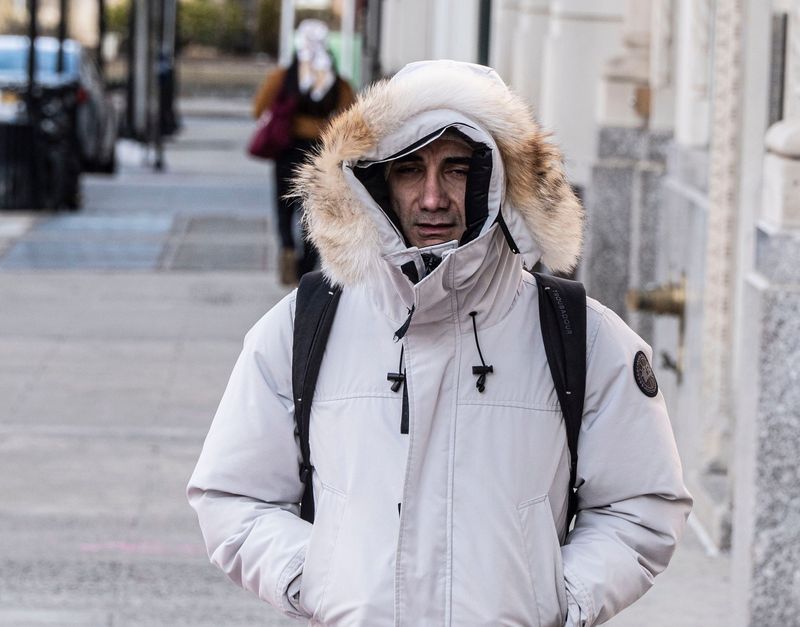
With single-digit temperatures and below-zero wind chills expected to hit Michigan starting Thursday night, Jan. 22, Michigan residents should prepare with the right clothing when going outside for extended periods.
Experts say, in most cases, you can safely get outside for at least a little while, but when the wind chill is minus 18 or more, being outside for long periods of time can be especially dangerous.

In Michigan’s U.P., a wind chill of minus 20 to minus 35 is expected, while the wind chill in Michigan’s lower peninsula is expected to be around minus 5 to minus 20, according to the National Weather Service.
“Coldest air so far this winter season is expected to overspread the upper Great Lakes Thursday night and Friday,” the NWS said in a post on X.
Sub-zero wind chills are expected statewide through Sunday morning, with overnight lows dropping below zero degrees at times.
“The faster the wind speed the faster our body heat is taken away and the colder it feels,” the weather service explained on its website. “It is a similar process for when you blow on a hot bowl of soup to cool it down. The temperature that it feels like outside due to the air temperature and wind speed is called the ‘wind chill.'”
Here’s what to know about heading outside and staying safe.
If you must go out, stay warm with layers of clothing
Wear the right fabrics, Kettering Health says.
“Cotton and heavy, tight-knit fabrics can trap the sweat next to your skin and make you feel chilled and clammy,” Kettering Health says. “You want clothing made from wicking fabrics: high-tech polyester that absorbs very little moisture.”
Moisture-wicking layer should go closest to your skin, topped by fleece or wool for warmth. In rain or snow, also wear a waterproof jacket.
It’s also a good idea to wear:
The National Weather Service says the trapped air between layers helps keep a person warm. In addition:
Can kids play outside when it’s below zero?
As a general rule, A Healthier Michigan says, wind chill is the best judge on whether it’s too cold to play outside.
When the wind chill is 32 degrees and above, it’s safe to be outside. In temperatures 13 degrees to 31 degrees, indoor breaks should happen every 20 to 30 minutes, the Blue Cross organization says.
For wind chills of 13 degrees and below, you should move activities indoors and away from the cold because frostbite can set in quickly.
Wind chill can quickly cause frostbite, so cover up
When outside in cold weather, your body redirects blood flow from your extremities, especially your hands and feet, to your core.
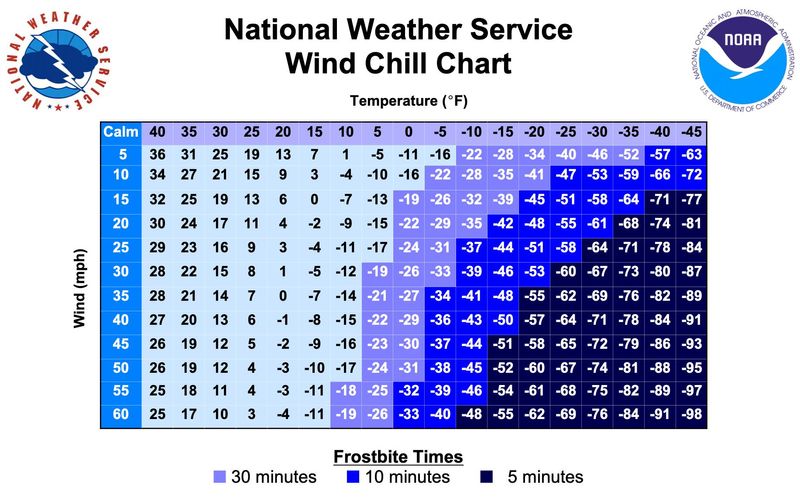
The speed at which frostbite sets in depends on the combination of wind and air temperature. A wind speed of 15 mph and temperature of 15 degrees can make it feel like zero degrees, for instance.
Wind chill values near minus 19 degrees mean frostbite is possible within 30 minutes. Wind chills in the minus 30 range can mean frostbite in 15 minutes.
How can I tell if it’s dangerously cold outside?
The National Weather Service issues wind chill advisories and warnings when a deadly combination of wind and cold air threaten.
The National Weather Service also has a wind chill calculator available online.
There also is an online temperature and wind speed chart highlighting dangerous combinations.
What is frostbite?
Frostbite is the freezing of skin and the body tissue just beneath it. It first affects exposed body tissue where blood circulation may be limited, such as your fingers, toes, nose and ears.
To minimize frostbite, make sure all body parts are well covered. When frostbite starts, feeling is lost in the affected area.
The Mayo Clinic said frostbite symptoms include:
If you suspect you are experiencing frostbite, hold the frostbitten area closely against warm skin to return blood flow and warmth to the affected area.
What is hypothermia?
Hypothermia is a dangerously low body temperature and is the most common winter weather killer. A normal body temperature is about 98 degrees Fahrenheit. Hypothermia is a temperature below 95 degrees.
When you hear of a hiker, climber, hunter, or a stranded traveler dying from cold weather exposure, hypothermia was the cause.
Hypothermia deaths can occur with temperatures as mild as 30 to 50 degrees. If you or your clothing are wet, hypothermia becomes more likely.
This article originally appeared on Detroit Free Press: Frigid weather, wind chills. When is it too cold to be out
Reporting by Dan Basso and Jalen Williams, USA TODAY NETWORK / Detroit Free Press
USA TODAY Network via Reuters Connect