If the recent NBA playoffs had gone exactly the way Ray Scott expected, the former Detroit Pistons player and coach would have spent the first two weeks of June cheering for his beloved Pistons in an NBA Finals matchup against the San Antonio Spurs.
However, a team and a coach representing the New York Knicks had another idea.

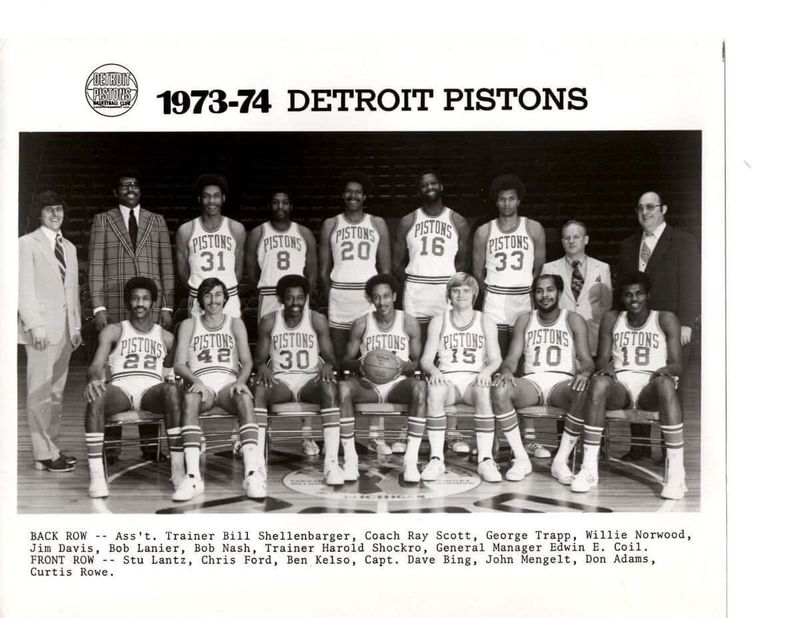
“After OKC and San Antonio (the top 2 seeds in the Western Conference), I thought the Pistons were the third-best team this season (going into the playoffs),” said the 87-year-old Scott, a native of Philadelphia who joined the Pistons as a player in 1961 and later was the franchise’s head coach from October 1972 to January 1976. “I must say that Mike Brown truly coached that Knicks team to a championship. I did not see that coming.”
But while Scott was unable to witness a successful Pistons championship run this season, during the month of June, as the Knicks and San Antonio Spurs were battling it out for the NBA crown, Scott scored a major personal victory that was a long time coming.
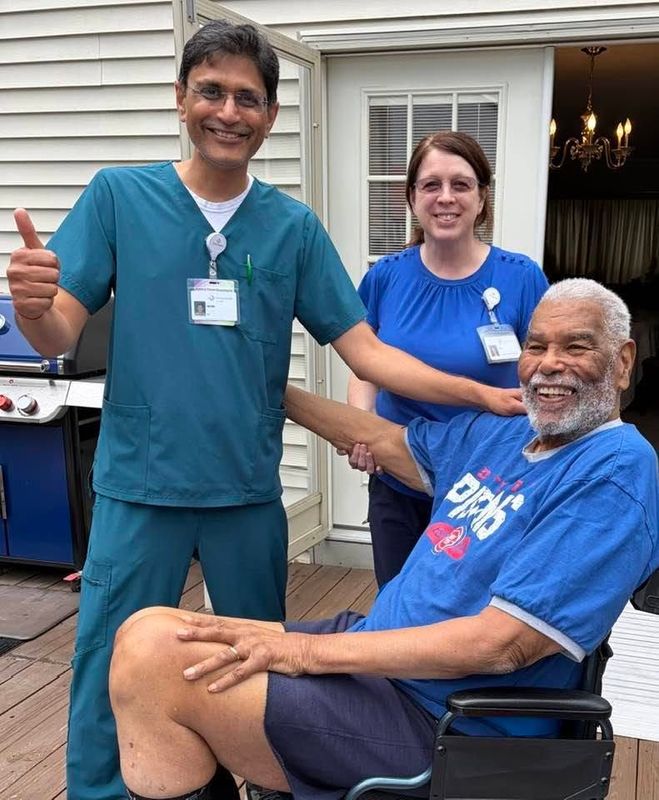
With the assistance of a physical and occupational therapist, he was able to enjoy some moments outside of his home for the first time in nearly two years.
“I can’t describe in words how I felt at that first moment when I made it outside, because it was a return to normalcy,” said Scott, who was outside on two occasions in the span of two weeks. “I just know it was an incredibly beautiful day with a little breeze and sunshine, and then my therapist wheeled me over to my mailbox.”
Like an athlete who suffers a traumatic experience and loses the confidence needed to perform, Scott described his bad experience as multiple falls, or “collapses,” that took place in his home after he reached the age of 80.
The repeated tumbles caused him to not trust his body, and instead cling to the “less stressful” surroundings provided by the upstairs of his home, despite the presence of a ramp and chairlift that were installed to help him get around safely.
“When you’re lying on the floor and you can’t get up, that is one of the worst feelings you will ever have in your life,” said Scott, who coached the Eastern Michigan University men’s basketball team from 1976 to 1979 and has continued to live in Ypsilanti ever since. “That’s an awful, awful, awful experience. And that is what I had to overcome.
“But to lose control of your body as a senior citizen is even more unbelievable, because you’re able to think back to what you were once able to do easily, and I was an athlete.”
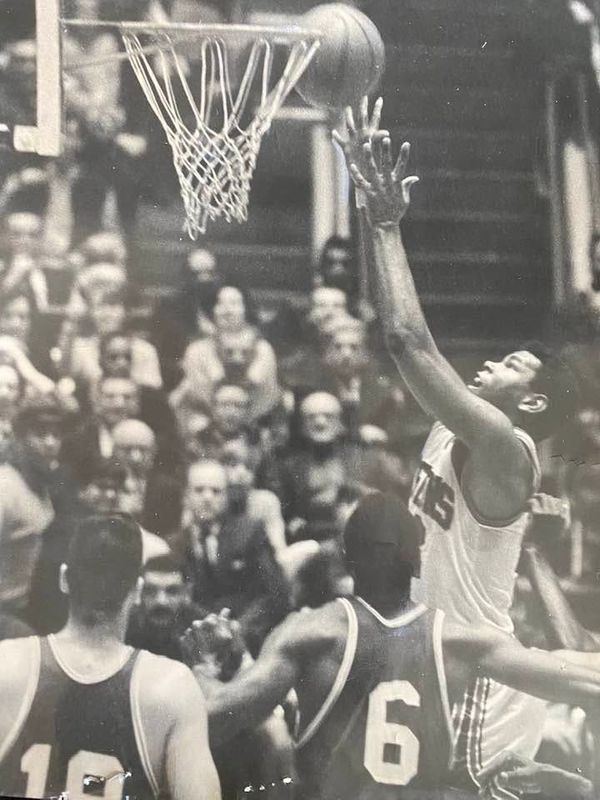
Indeed, Scott was athletic enough to play 811 regular season games in the NBA and the American Basketball Association combined. And, like the earliest picks that were chosen when this year’s two-day NBA draft began June 23 in Brooklyn, New York, Scott also found himself in elite company in 1961 when the Pistons selected him with the fourth overall pick in the first round of that year’s NBA draft as a 6-foot-9-inch forward/center.
At the time, the Pistons’ selection of Scott was unconventional because he was not a highly publicized college basketball star but instead was coming off of three seasons as a prolific scoring big man while playing for the Allentown (Pennsylvania.) Jets in the Eastern Basketball League for $35 a game.
Nonetheless, the Pistons, particularly Earl Lloyd, who was a scout for the team when Scott was drafted, thought that the young man who had grown up with the mighty Wilt Chamberlain in Philadelphia had legitimate pro potential.
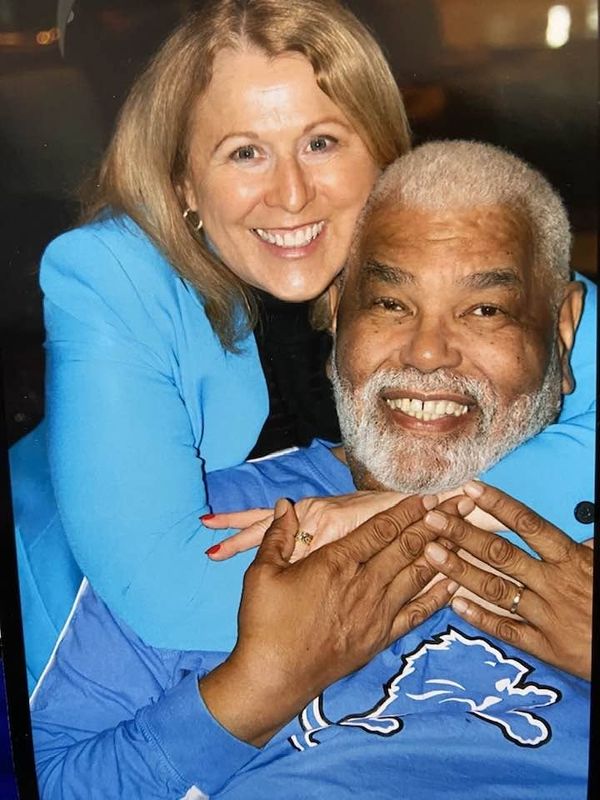
And Scott says as he continues to work on building up his overall physical and mental confidence with his therapists and loved ones, including his wife of 45 years, Jennifer, he often thinks back to his earliest days in Detroit, which brings him comfort and strength.
“Earl Lloyd believed in me,” Scott said about the first Black player to appear in an NBA game on Oct. 31, 1950, and also the man Scott succeeded as the Pistons head coach in 1972. “And Detroit is the place where I really grew up as a man and discovered what African Americans could accomplish in this country. Detroit was a major player for the growth of middle-class Blacks, and I learned about this directly from the unions.
“Then you had people like my teammate on the Pistons, Walter Dukes, and the Motown folks moving into those mansions and castles on Chicago Boulevard and Boston Boulevard. The same was true about homes on Outer Drive, when before Black people didn’t even know how to get to Outer Drive.
“But more than anything, Detroit — not Philadelphia and not New York — is the first town I lived in where you stopped by someone’s home, and they would want to make you a plate and ask you stay for a longer visit. That’s a kind of hospitality that Black people brought up from the South — places like Tennessee and Georgia and Mississippi — and it’s unique to Detroit in the North and Midwest. And that’s why I have never wanted to be too far away from that spirit since coming to Detroit in 1961.
While speaking at length about the many special discoveries and experiences that he has enjoyed in Detroit spanning several decades, Scott confided that his current physical situation is still a work in progress.
In fact, Scott said he was looking forward to a home visit from his therapists on June 24 to begin addressing a recent issue with his hip, which kept him from being able to venture downstairs when his family came to celebrate him on Father’s Day.
The mention of Father’s Day and not being able to fulfill his goal of celebrating with his family on the downstairs level of his home, was the only time that a hint of disappointment could be heard in Scott’s voice. He shares three adult children (Allison, Devon and Nia) that do all that they can to assist with his care — along with grandchildren and great-grandchildren — with Jennifer.
But shortly afterward, Scott made it clear that he still possesses the same kind of determination and adaptability that he displayed as a player, such as when he shifted his focus from scoring to rebounding when he joined the Pistons because he knew that gave him an opportunity to be a significant contributor to the team.
“I can no longer talk about being independent, but I will always stay engaged and do everything I can to work with and help the people that are doing so much for me,” said Scott, who takes great pride in being the NBA’s 40th all-time average rebounds per game leader, as noted by basketball-reference.com, because that statistic reveals how much Scott adjusted his earlier approach to the game to help his teams win.
Scott continued: “I actually worry more about the health and safety of my spouse because Jennifer is also taking care of her mother and we have two married daughters with careers who have children that Jennifer also cares for. So, I try to do as much as I can for myself because I don’t want everything falling on her.”
True to his athletic roots, Scott says his way of staying “engaged” and connected to the outside world, even when he is inside for long stretches, involves following the sports world closely, which, in recent weeks, has included large doses of World Cup coverage and Tigers games on TV.
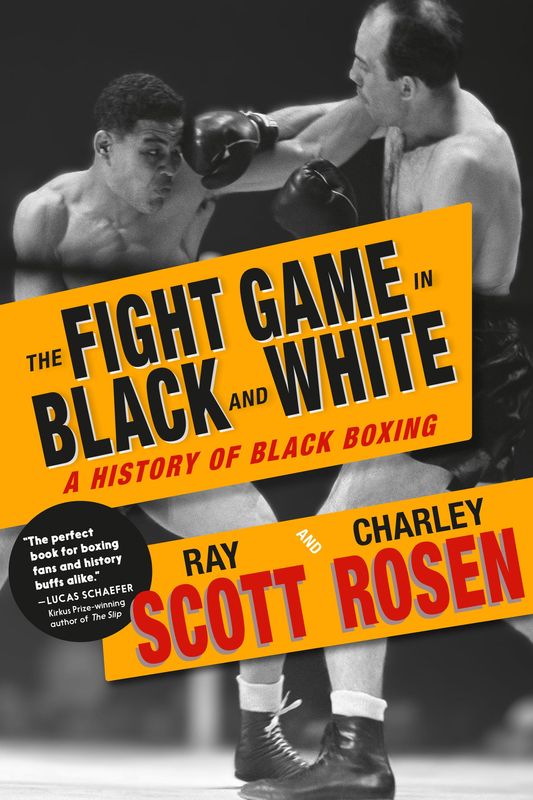
In addition, he shares his passion for sports history, Black history and world events generously with his many friends and followers on Facebook. Some of Scott’s sports knowledge and experiences outside of the basketball world also will be included in an upcoming book, “The Fight Game in Black and White,” published by Seven Stories Press and co-written with Scott’s dear friend, the late Charley Rosen, which details Scott’s friendship with Muhammad Ali; Scott’s journey as a boxing promoter, and the stories of Black boxers that fought for justice in the ring.
Then there are the Pistons, a franchise that Scott will forever be connected to. Like most Pistons fans, Scott says he looks forward to tracking the progress of the players that the Pistons select in the draft and also the team’s moves during the free agency period, which officially begins June 30.
And while the Pistons continue to retool for the upcoming 2026-27 NBA season, Scott would like to convey a message to all die-hard Pistons fans.
“Please, Pistons fans, don’t take what happened this past season lightly,” says Scott, who received the NBA’s Coach of the Year Award in 1974 before a cheering home crowd at Cobo Arena, which made him the first Black coach to receive the honor (following a 52-30 Pistons regular season record). “Winning 60 games is no joke and it shows that there is a ‘there’ there, not only from a talent standpoint, but it also reflects that the team has a system in place.
“It’s a significant accomplishment in the NBA. But it’s also something you can build on, which I expect (coach) J.B. (Bickerstaff) and the team to do.”
Scott Talley is a native Detroiter, a proud product of Detroit Public Schools and a lifelong lover of Detroit culture in its diverse forms. In his second tour with the Free Press, which he grew up reading as a child, he is excited and humbled to cover the city’s neighborhoods and the many interesting people who define its various communities. Contact him at stalley@freepress.com or follow him on Twitter @STalleyfreep. Read more of Scott’s stories at www.freep.com/mosaic/detroit-is/. Please help us grow great community-focused journalism by becoming a subscriber.
This article originally appeared on Detroit Free Press: Ex-Pistons coach hadn’t gone outside his home in nearly 2 years
Reporting by Scott Talley, Detroit Free Press / Detroit Free Press
USA TODAY Network via Reuters Connect
By Scott Talley, Detroit Free Press | USA TODAY Network