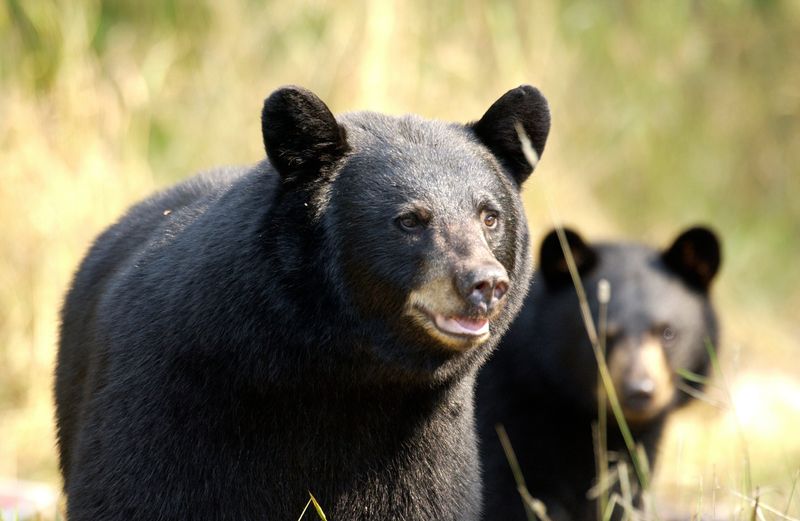
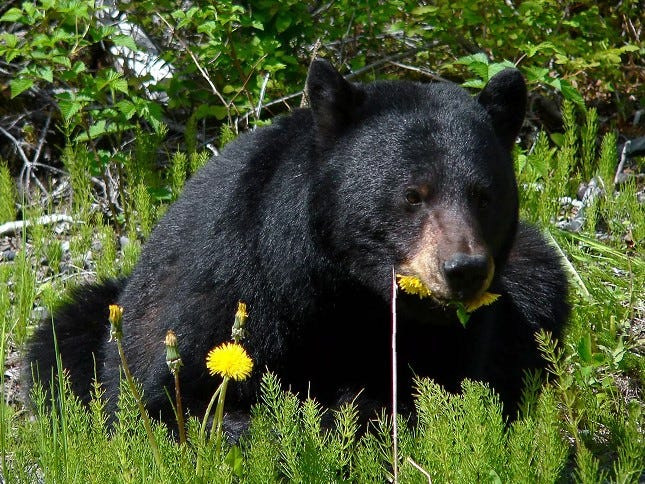
More than 12,000 black bears inhabit Michigan, and while seeing one of the usually shy creatures can be thrilling, there are precautions nature lovers should take to avoid a dangerous situation.
Black bears began emerging from hibernation in March, and they will remain active through through fall.

About 10,350 black bears are believed to live in the Upper Peninsula, and 2,100 in the Lower Peninsula, according to a 2024 survey from the Michigan Department of Natural Resources.
Through the years, the state’s black bear population has been growing and they have been occupying more territory in the Lower Peninsula, according to the Michigan United Conservation Clubs.
DNR officials said they have received about 285 bear complaints per year over the past 20 years, with 303 complaints in 2024. Counties with the most bear complaints in 2024 included Upper Peninsula counties Marquette (41 complaints), Houghton (29), Chippewa (25) and Delta (24); but also northern Lower Peninsula counties Otsego (26), Charlevoix (19), Leelanau (16) and Grand Traverse (13).
Black bears have even been seen more frequently in Ohio, with officials at the Ohio Department of Natural Resources saying they may be starting to reestablish themselves in the state, according to a recent Akron Beacon Journal article.
The 300-600-pound animals will eat just about anything, including scraps from trash cans, seeds from bird feeders and even have been known to break into homes in search of a good meal.
Bears want to avoid human interaction, but if they feel threatened enough — especially if a female or sow feels her cubs need protection an attack — they may attack, according to BearWise, a program that promotes a safe human-and-bear coexistence.
According to Bear Vault, there have been 66 fatal black bear attacks since 1974 — nearly as many as from grizzly bears (66), although there are about 20 times as many black bears.
To avoid a dangerous encounter, eliminating food sources around your home is the first step, including bird feeders and pet bowls, then understanding how to react to a bear.
The reaction to encountering a bear depends on the context, according to BearWise. For example, if you spot a bear in your yard, you should make loud noises from a distance to scare them away. If you’re in the woods, you should remain still and quietly move away as soon as you can in the opposite direction.
Here’s more on how to be safe in Michigan’s bear country.
How can I bear-proof my backyard in Michigan?
Here are ways to bear-proof your property in Michigan, according to BearWise and the American Bear Association:
How can I prevent a bear attack in the woods?
The National Park Service recommends maintaining at least 150 feet between you and any bear you encounter.
“If a bear alters its behavior in response to your presence, you are too close,” the NPS said.
Here’s what to do if you see a black bear based on varying contexts, according to BearWise:
What do black bears eat?
Black bears are omnivorous, which means they eat both plants and animals. They have a sense of smell that can detect and locate more than 2 miles away.
Their diet mainly consists of berries, fruit, deer, elk, sedges, insects, fish, honeycomb, and human food and garbage, according to the U.S. National Park Service.
What do black bears look like?
Adult black bears can grow up to 6 feet tall and weigh up to 600 pounds, while females are slightly smaller in size. Their fur ranges in color from grey to blue-grey, black, cinnamon or white, though the most common shade is brown the NPS said.
Are black bears the only species of bear in Michigan?
Yes, the American black bear (ursus americanus) is the only species of bear found in Michigan, according to the Michigan DNR.
— The Detroit Free Press contributed.
Contact Sarah Moore @ smoore@lsj.com
This article originally appeared on Lansing State Journal: Black bears roam throughout Michigan. How to stay safe if you seen one
Reporting by Sarah Moore, USA TODAY NETWORK / Lansing State Journal
USA TODAY Network via Reuters Connect