

Q & A with a DNR Fire Specialist
By Barb Pert Templeton

The unseasonably warm, dry weather is perfect for late-summer outdoor activities, but it also boosts wildfire risk. That means taking care to prevent wildfires when you work and play outside this week.
“Most importantly, if you are planning to burn yard debris, make sure weather conditions allow for burning,” said Jeff Vasher, fire specialist for the Michigan Department of Natural Resources in a recent press release. “Debris burns that escape are the top cause of wildfires in Michigan.”

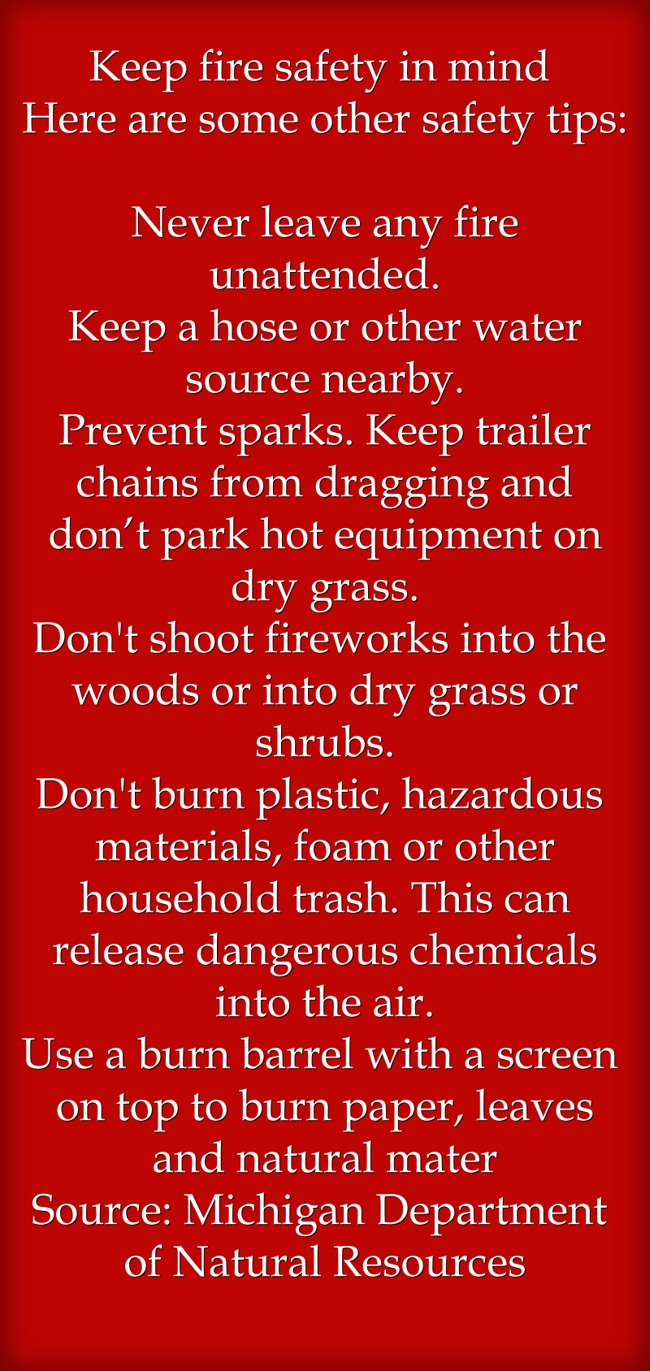
Fire danger goes up when it is hot and dry and increases even more when weather turns windy. Windborne embers can travel far and fast, turning a small fire into a large one, according to the press release.
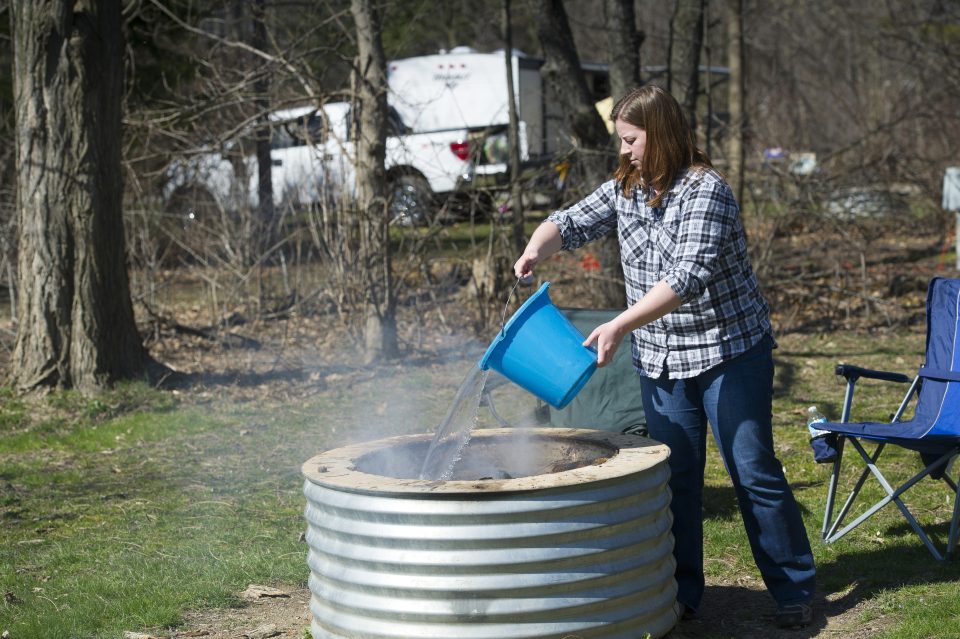
DNR suggestions include if you are building a campfire or bonfire, keep it within a contained pit or ring and make sure you thoroughly put out the fire before you leave it for the night. That means dousing the fire with water, stirring the ashes and dousing again.
Blue Water Healthy Living caught up with Vasher to pose a few questions about fires in more rural areas:
Blue Water Healthy Living: Warmer days in September must prompt more open burning in rural areas does the state see a rise in incidents for those places when summer is extended as it seems to be this year?
Jeff Vasher, fire specialist with the Michigan Department of Natural Resources: When we see a dry period like were seeing now, we see more fire activity but the fires are smaller because vegetation is greener.
BWHL: Do people who burn trash at their homes on property in rural areas or on farms need a permit to do so? If so, how can they get one and how much do they cost?
Vasher: If you go to the website www.michigan.gov/burnpermit click on rules at the top it explains what you can burn, when you need a permit, and they don’t cost anything, also we only handle burn permits from a line from Bay City across to Oceana county and north, south is all handled by either township, village or fire departments.
BWHL: What are the items that should not be disposed of via a backyard fire?
Vasher: Only thing you can burn are natural materials such as leaves, grass, brush and stumps.
BWHL: Are there things for residents to consider before they decide to burn a bunch of trash?
Vasher: They should never burn trash there is a policy on burning trash.
BWHL: How big a part does the weather play in backyard burning?
Vasher: Weather is a big contributor to fires. High temps, low humidity and wind are the three big factors.
BWHL: Is it okay to continue to have bonfires in rural areas at residences into the fall and winter months? Is a permit requited for that?
Vasher: Camp fires and bon fires you do not need a permit but always keep them small and put them out when you’re done.
DNR wildland firefighters handle over 180 fires so far in 2024.
