By Libby George and Dhara Ranasinghe
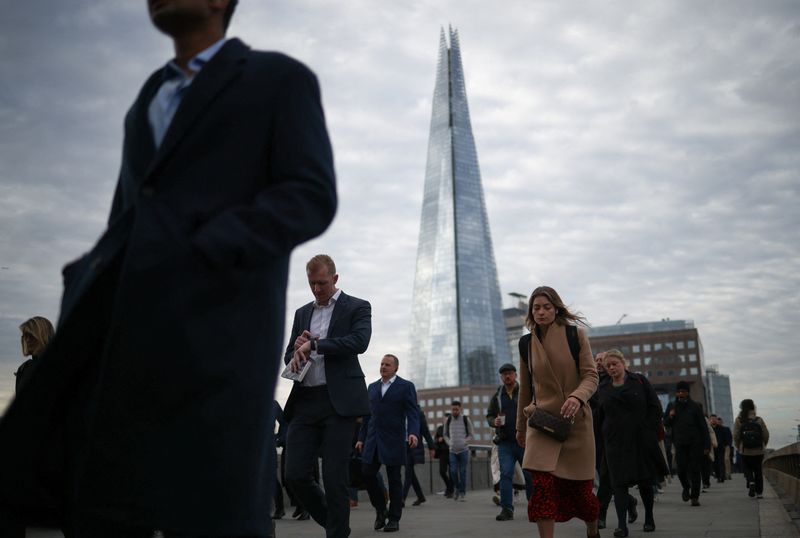
May 6 (Reuters) – UK local elections this week – the latest of some 40 polls worldwide this year – are attracting more attention than usual from financial markets as pressure mounts on Prime Minister Keir Starmer.

Here’s a look at some of the elections on the radar for financial markets:
UNITED KINGDOM
Local elections do not usually attract the attention of foreign investors. Thursday’s is an exception.
After repeated scandals and criticism from inside and outside the ruling Labour Party that it has yet to deliver an improvement in living standards, Labour is bracing for big losses, to Reform in its former industrial heartlands and to the Greens in major cities.
The bond market is sensitive to signs that the fiscally restrained Starmer might be replaced, while the pound could weaken.
Online prediction market platform Polymarket gives an almost 70% chance of such a move by year-end. The next national election is due by August 2029.
“If it’s a very bad outcome for the Labour Party, there is a danger that yields move higher, and that will become a challenge,” said Zurich Insurance Group’s chief economist Guy Miller.
COLOMBIA
Colombia’s presidential race – the first round is scheduled for May 31 – remains open after divided results in March congressional elections.
Leftist President Gustavo Petro has clashed with the central bank and sought to enact an economic emergency decree. Some investors have cheered the rising fortunes of centre-right candidate Paloma Valencia.
“A credible commitment to fiscal consolidation, even if gradual, could reduce risk premia and ease inflationary pressures stemming from overly expansionary fiscal policy,” Barclays economist Alejandro Arreaza said in a note.
A victory for Ivan Cepeda of Petro’s party “could lead to higher risk premia, exchange rate pressures, and renewed tightening,” he added.
PERU
No candidate secured enough votes in Peru’s chaotic first-round presidential election on April 12. Final results are expected no later than May 15.
Right-wing candidate Keiko Fujimori was the frontrunner, and has an edge ahead of the June 7 runoff.
Leftist Roberto Sanchez’s likely place in the runoff gives investors caution. His proposals include a new constitution and revisions to mining contracts.
Banks said a disputed vote could trigger a capital flight.
External observers have cited no evidence of fraud, although delays in vote counting forced the resignation of the chief electoral official.
Factors including impeachments and corruption scandals mean Peru has had eight presidents since 2018 and yet growth in nearly all sectors has boosted the economy.
ETHIOPIA AND ZAMBIA
Debt-defaulted Ethiopia and Zambia each hold elections over the coming months, with the economy a major concern.
Investors have hailed Zambia’s economic reforms and growing copper production, while rising gold and coffee exports and foreign exchange reforms have boosted Ethiopia’s prospects.
Ethiopian Prime Minister Abiy Ahmed’s Prosperity Party is almost certain to win in June, while opposition boycotts and security concerns could hinder voting.
Zambia’s incumbent President Hakainde Hichilema is also tipped to win in August, but energy and fertiliser price spikes related to the Iran war could hurt. Ratings agency S&P says the election poses a risk to policy continuity, just as the government’s fiscal consolidation efforts start to deliver results.
ISRAEL
Parliamentary elections in Israel, expected in October, are viewed as a referendum on Prime Minister Benjamin Netanyahu.
Polls show the war in Iran has done little to improve his standing. Pre-war, polls had already suggested Netanyahu’s right-wing coalition would struggle to win enough seats to form a government.
Israel’s economy had rebounded in 2025. The war led the government to downgrade this year’s growth outlook, but the shekel currency is at its highest in more than 30 years, worrying exporters.
BRAZIL
Polls show Brazil’s leftist President Luiz Inacio Lula da Silva statistically tied with right-wing senator Flavio Bolsonaro in a potential runoff in the October election.
Seats in the lower house, two-thirds of the Senate and for all 27 state governors will also be contested.
The Iran war has muddled the inflation outlook. Lula’s government plans fuel tax cuts and help for households in debt.
But economic pain could help his rival, the son of imprisoned former President Jair Bolsonaro.
Oxford Economics’ Felipe Camargo said a centre-right government under Bolsonaro could yield a “goldilocks scenario for markets” including a focus on lowering inflation and reversing a growing debt-to-GDP ratio.
UNITED STATES
The November mid-term elections, which will determine who controls Congress, will be a major test for President Donald Trump.
The war has dragged his approval rating to the lowest level of his term – 34%, according to a Reuters/Ipsos poll – and spiked gasoline prices above $4 a gallon ahead of the midterms, in which Republicans are at risk of losing control of Congress.
Analysts say uncertainty ahead of the vote could weigh on the dollar and stocks, although for now news on Iran is dominant.
(Reporting by Libby George and Dhara Ranasinghe; Editing by Barbara Lewis)