By Mike Dolan
May 28 (Reuters) –

What matters in U.S. and global markets today
By Mike Dolan, Editor-at-Large, Finance and Markets
It’s now a full three months into the Iran war, and the United States, Israel and Iran are still engaged in military action, while oil is still hovering near $100 per barrel as blockades in the Gulf remain in place.
President Donald Trump’s initial timeline of a weeks-long campaign is now a distant memory, yet the financial and economic disruption so far has been remarkably limited – even if the impact on physical supplies has been severe.
I’ll get into that and more below.
But first, check out my latest column on why President Trump may have to park a long-assumed preference for a weaker dollar for now.
And listen to the latest episode of the Morning Bid daily podcast. Subscribe to hear Reuters journalists discuss the biggest news in markets and finance seven days a week.
THREE MONTHS, AND COUNTING
Despite hopes this week that a peace deal in the Gulf could be in the works, the U.S. and Iran fired missiles at each other again overnight, while Israel continued strikes on southern Lebanon and issued fresh evacuation orders for parts of the region.
Brent crude prices were up over 1% early on Thursday after the U.S.-Iran strikes, having settled some 5% lower the day before on peace deal hopes. Wall Street futures edged down before the bell on Thursday, while Asian shares closed lower as the latest Middle East developments stalled the recent tech-driven bull run there.
Most importantly for global energy and financial markets, little if any crude oil is moving out of the Gulf as shipping through the Strait of Hormuz remains at a virtual standstill.
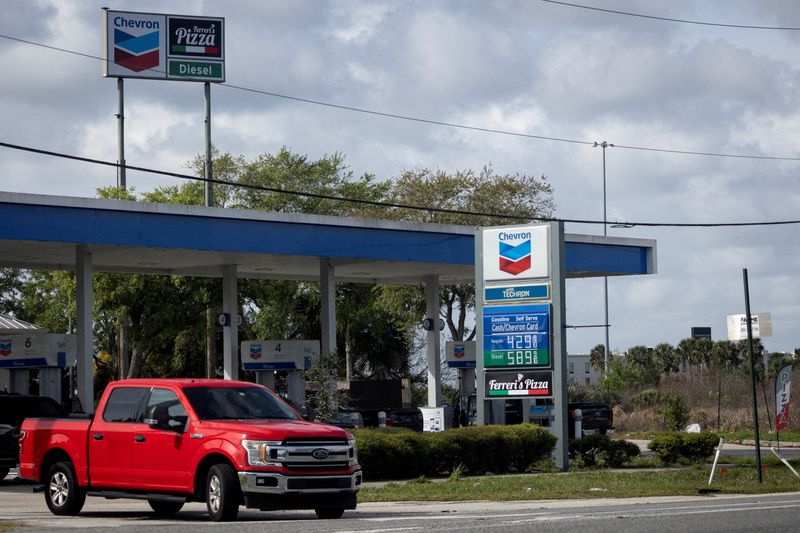
Thursday will offer a clear reminder to Americans of how that’s hitting home, with April personal consumption expenditures (PCE) data expected to show annual inflation rising to 3.8%, almost twice the Federal Reserve’s target. It’s expected to top 4% in May.
The rest of today’s busy data calendar will see the release of weekly jobless claims, durable goods orders and a first-quarter GDP revision. On the corporate earnings side, markets will get reports from U.S. retail giants Costco and Best Buy.
The overall picture is likely to support hawkish Fed expectations heading into the central bank’s June meeting. Board member Lisa Cook said late Wednesday that if disinflation doesn’t resume soon, she would be “prepared to raise rates”.
All eyes will be on the Fed’s updated projections next month and whether the median “dot” on year-end policy rate forecasts shows any more easing for the year. At present, there’s still one rate cut outlined.
What’s more, there’s some speculation that new chair Kevin Warsh’s distaste for forward guidance could see him withhold the so-called “dot plot” altogether once his reviews of Fed procedures get underway.
Chart of the day
The average 30-year fixed-rate mortgage rose 9 basis points to 6.65% in the week ended May 22, the Mortgage Bankers Association said on Wednesday. It was last higher in August 2025, before the Federal Reserve began a series of interest rate cuts. The 30-year fixed mortgage rate has now been consistently above 6% since September 2022.
Today’s events to watch
• U.S. April PCE data (8:30 a.m. EDT), April durable goods orders (8:30 a.m. EDT), Q1 GDP revision (8:30 a.m. EDT), weekly jobless claims (8:30 a.m. EDT)
• U.S. 7-year note auction (1 p.m. EDT)
• New York Fed’s John Williams, St. Louis Fed’s Alberto Musalem and Richmond Fed’s Thomas Barkin all speak
• U.S. corporate earnings: Best Buy, Costco, Dell Technologies, Dollar Tree
Want to receive the Morning Bid in your inbox every weekday morning? Sign up for the newsletter here. You can find ROI on the Reuters website, and you can follow us on LinkedIn and X.
Opinions expressed are those of the author. They do not reflect the views of Reuters News, which, under the Trust Principles, is committed to integrity, independence, and freedom from bias.
(By Mike Dolan)