By John Revill and Danny Callaghan
KILCHBERG, Switzerland March 10 (Reuters) – Chocolate sales are rising faster among U.S. users of GLP-1 weight-loss drugs than in the rest of the population, Swiss chocolatier Lindt & Spruengli said on Tuesday, citing data that defied forecasts the drugs would reduce confectionery demand.

The company said an internal study, based on February data from market researcher Circana, found 15% of U.S. households use GLP-1s, representing 17.5% of chocolate sales.
GLP-1s include weight-loss drugs such as Novo Nordisk’s Ozempic and Eli Lilly’s Mounjaro.
Consumers cutting back on high-calorie intake categories, such as pasta, pizza and potato chips, are still looking for some kind of indulgence, chief executive Adalbert Lechner told a news conference on Tuesday.
“They are upgrading to premium products. Less is more – small rewards with moment of bliss rather than mindless munching,” said Lechner.
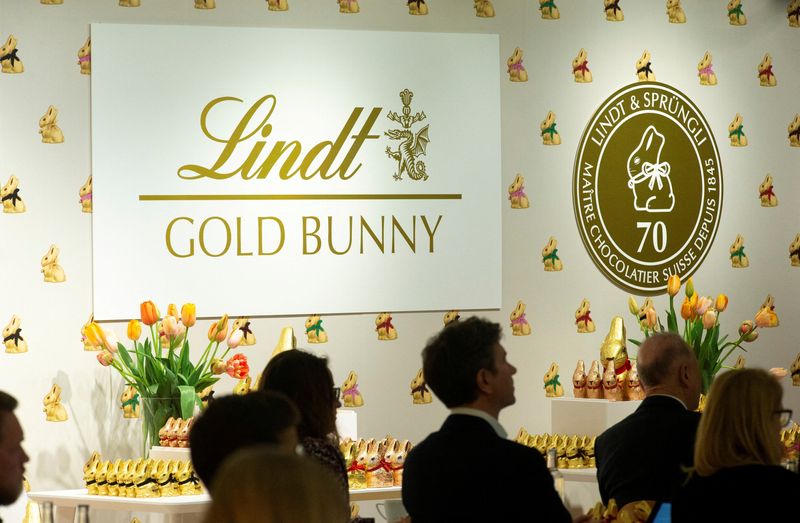
Lindt, which makes chocolate Easter bunnies, said U.S. sales of premium chocolate increased among GLP-1 users by nearly 17% in 2025, compared to a 6.5% rise among non-GLP-1 users.
Analysts at Berenberg had expected the introduction of oral GLP-1 weight-loss drugs to have an adverse effect on the food industry, particularly confectionery, over the next few years. They anticipated a drag on sales volumes of 0.9 percentage point for Lindt in 2027.
Lechner added that he does not see GLP-1 drugs as a threat to future business. He expects regulatory approvals in Europe, which are anticipated soon, to have a similar impact on consumer behaviour as in the U.S.
GLP-1 pills are predicted to expand the use of the drugs to patients beyond the users of injectables, including more men and younger patients, as the oral drugs are projected to provide less drastic weight loss than their injectable counterparts.
(Reporting by John Revill in Kilchberg, writing by Danny Callaghan and Bernadette Hogg in GdanskEditing by Bernadette Baum and Andrei Khalip)