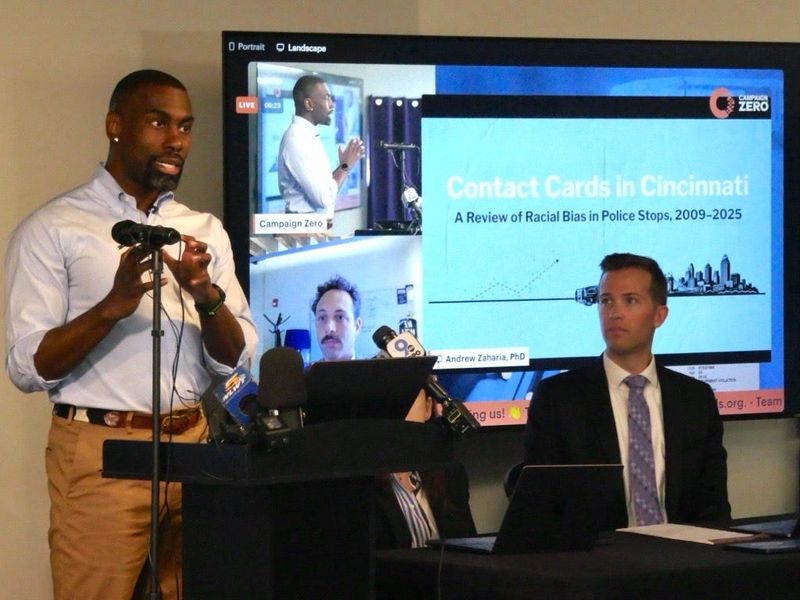
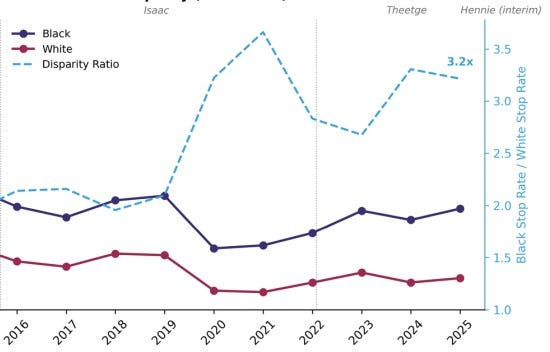
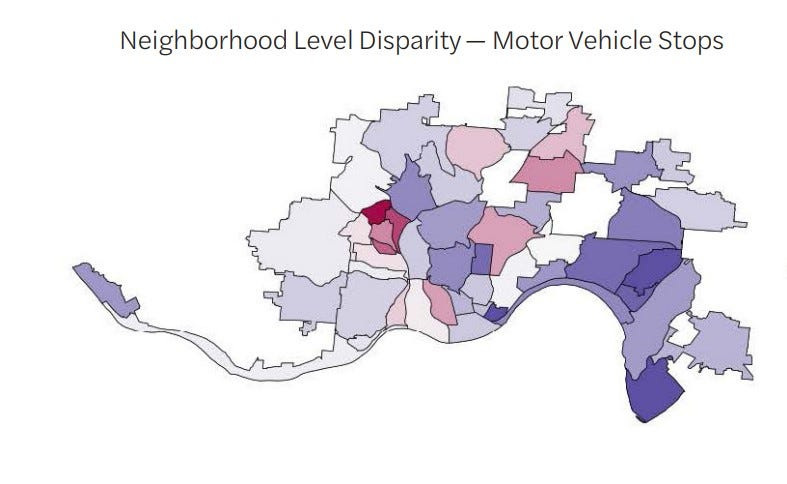
Campaign Zero’s recent report documenting racial disparities in Cincinnati police stops demands attention. The data is concerning, and it requires honesty, reflection and action.

That’s a hard thing to swallow in a city like Cincinnati. While far from perfect, it has long been viewed as a national model for police reform. The Collaborative Agreement helped chart a new course at a time when collaborative policing was far from the norm. Our use of contact cards to collect and publicly report stop data has created a level of transparency that advocates in many cities only wish they had.
That doesn’t mean the work is finished.
As CEO of the Ohio Justice & Policy Center, our organization will always insist on constitutional policing and holding government accountable when it falls short.
Throughout my career, I’ve believed accountability and public safety go hand in hand. I’ve had the privilege of leading Cincinnati’s Citizen Complaint Authority, where we investigated allegations of police misconduct. Earlier, I prosecuted police misconduct as a trial attorney in the U.S. Department of Justice’s Civil Rights Division.
These experiences taught me something important: To make progress, we must recognize good-faith effort − and applaud it − when it’s sincere.
What leadership looks like
It’s notable when public officials show up, answer difficult questions, acknowledge legitimate concerns, and invite collaboration. It builds trust and honest conversations, leading to lasting reforms.
That’s exactly what I saw at a mid-July community forum on the report’s findings. I left with something I don’t take for granted: hope.
At the forum, I did not see defensiveness or finger-pointing. I saw a city willing to confront difficult truths and begin the work of finding solutions.
I saw Cincinnati Police Chief Adam Hennie take difficult questions from community members and commit to doing better. He deserves credit for that. Yes, engaging with the public is part of the job. But listening to criticisms and demonstrating a genuine interest in problem-solving requires leadership. I didn’t see someone checking a box; I saw a chief who appeared committed to finding solutions.
I saw Councilman Scotty Johnson, City Council’s Public Safety Committee chair, acknowledge the concerns raised by the report and commit to improving. Leadership begins with recognizing when more work remains.
I saw Chief Public Defender Angela Chang explain, with clarity and conviction, why the data matters. It’s not just statistics. Racial disparities impact trust, fairness and equal justice under the law.
I saw moderators from the Urban League, the NAACP, and Truth & Destiny Church refuse to let the evening become an exercise in venting. They challenged the audience to both surface concerns and shape solutions. Community leader Iris Roley reinforced that call by outlining concrete next steps to gather additional community input and ensure this conversation continues beyond one evening.
Community members rose to the occasion. They shared ideas, challenged assumptions, and offered thoughtful, constructive solutions. They demonstrated that accountability is strongest when it is paired with civic engagement.
That’s what gave me hope.
A chance to lead again
Racial disparities in policing will not disappear through quick fixes or political talking points. They will be reduced through sustained effort, rigorous analysis of the data, transparency, community partnership and leaders willing to listen, adapt and act.
Cincinnati has led before. We helped pioneer collaborative police reform when the Collaborative Agreement showed the nation there was another path. I believe we can lead again. If we continue to pair honest accountability with earnest engagement, we can reduce disparities, strengthen public trust and ensure Cincinnati remains a national example of thoughtful, constitutional policing.
That forum, and others like it, are not the finish line. But they are a promising step in the right direction.
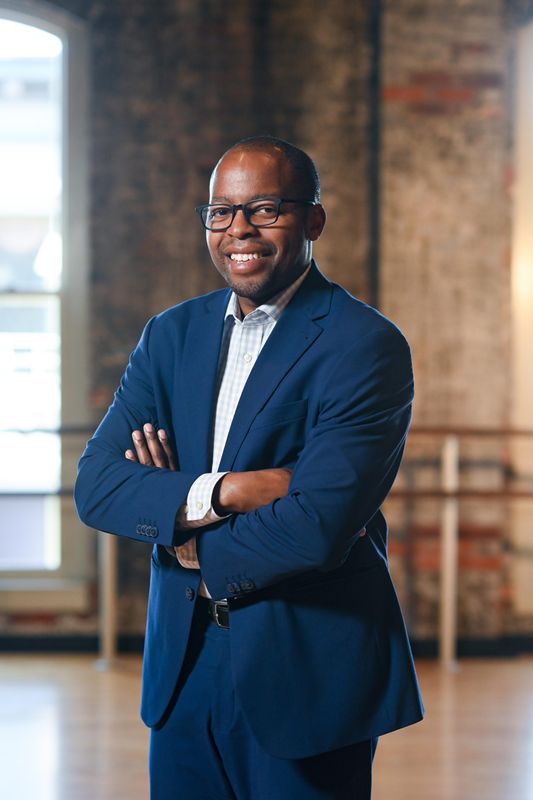
Gabe Davis is Chief Executive Officer of the Ohio Justice & Policy Center, a nonprofit law firm based in Cincinnati that fights for equal justice and fair treatment in all stages of incarceration.
This article originally appeared on Cincinnati Enquirer: Police stop data demands action and honest conversations | Opinion
Reporting by Gabe Davis, Opinion contributor / Cincinnati Enquirer
USA TODAY Network via Reuters Connect
By Gabe Davis, Opinion contributor | USA TODAY Network