June is Elder Empowerment Month (EEM) in Ashland County. World Elder Abuse Awareness Day is June 15. Contact the Mental Health and Recovery Board of Ashland County (MHRB; 419-281-3139) for information. Check out the availability of events during EEM by reviewing the calendar when posted on the MHRB’s website.
At the outset, I want to be clear:

The focus of WEAAD this year is on self-neglect. This article addresses a critical issue: Can and when does commitment to independence and autonomy cross the line, progressing to serious self-neglect; e.g., among those older adults who live alone? What are the risk factors? When does intervention become necessary? When and how do issues associated with the self-care revolution and even “championing your health” (the latter was the theme for Older Americans Month, May) factor in?
What is the strategy for reporting, and what are the risks for the older adult when these actions are an unlawful form of harassment, defamation, intimidation, discrimination, even abuse? How are the civil and human rights of older adults – who have not been deemed incompetent legally and ethically – preserved?
This is For You – Start by Reflecting and Writing About “Home” or “Aging in Place”
Older adults may wish to continue “aging in place,” either relying on self or drawing on some support from
It matters to retain a “home,” a dwelling in which you feel safe, comfortable, and in control
As you age, what is the significance of aging in place or having viable housing options? What are the issues surrounding the possible need to downsize or relocate? In what ways do finances, health care, long-term care, possibly experiencing chronic and disabling illnesses, possible cognitive decline factor in?
Craft a series of journal entries, a set of paragraphs, or a poem addressing the theme of “home” and independence. Focus on what is most meaningful and important to you. Consider writing about (1) what is most essential to you to make a location truly a home, (2) how to make a room in an assisted living facility or nursing home home-like if it becomes necessary to reside in a long-term care facility, (3) what you would be willing (and able) to do/change in your house/apartment to continue aging in place, your “home.”
What Does Self-Neglect Among Seniors Look Like?
Serious self-neglect affects safety in multiple realms. Self-neglect results when an older, vulnerable adult is unable (not limited to individual-level factors), unwilling to address, or is unaware of needs that are not being met. Overall health, well-being, and safety are adversely affected. Self-neglect includes not having or being unable to use “living well and safely” necessities: health care; needed medications for serious health conditions; sufficient intake of healthy foods; maintaining personal hygiene and cleanliness; retaining a safe, clean, and barrier-free home setting. Support from others may not be available or may be refused.
What are the Risk Factors of Engaging in Serious Self-Neglect?
Older individuals, who are not legally deemed to be mentally incompetent or of diminished capacity,
They may value self-empowerment, being the one to make decisions. They may be comfortable with and prefer living with minimal social connectedness.
But a dangerous inability, unawareness, or unwillingness to care for self and maintain safety can stem from (1) marked cognitive decline due to dementia, (2) chronic and disabling physical conditions that limit abilities, strength, and endurance, (3) psychiatric challenges such as severe depression.
Is the older adult’s life at risk? Have circumstances approached or reached an emergency situation? Are serious health conditions NOT being treated or managed by a health care professional (ideally occurring via shared decision-making)? Are there risks of fire, falling, or being seriously harmed due to an inability to care for self? Are financial affairs being dealt with, or is the situation one of financial chaos and unpaid bills? Has the older adult blocked contacts with others almost or in entirety?
Deleterious Impact of the Self-Care Revolution on Some Older Adults?
Engaging in self-care, taking responsibility for one’s health and preventive care, and making “baby steps” to deal well with life demands rather than focusing on what cannot be changed can be helpful. In fact, the self-care revolution “ideals and strategies” are reflected/revealed in frequent podcasts and Facebook posts by the MHRB.
But can there be a deleterious impact on vulnerable older adults – a sense of failure if they cannot meet others’ expectations and guidelines, focus on needing resources that they cannot afford, postponing or avoiding receiving care from health professionals, being excessively focused on themselves?
Who or what Entities to Contact to Ask Questions, Report Safety Risks
Locally/regionally, consider contacting Ashland County Adult Protective Services (APS) at 419-282-5000; reports can be made anonymously. Another option is to contact Ohio’s APS hotline (1-855-644-6277). If this is an emergency situation, contact law enforcement to ask questions and to report. Situations will be investigated regarding inability, unwillingness, or “barriers” to care for selves safely.
To secure local/regional information about elder self-neglect as well as support services, I recommend that you contact AAA District 5 (419-524-4144).
Closing Points
From my perspective:
It is OK to need a helping hand without losing independence or having someone else take full control over your life. Guardianship should be the last resort. Civil and human rights should be preserved.
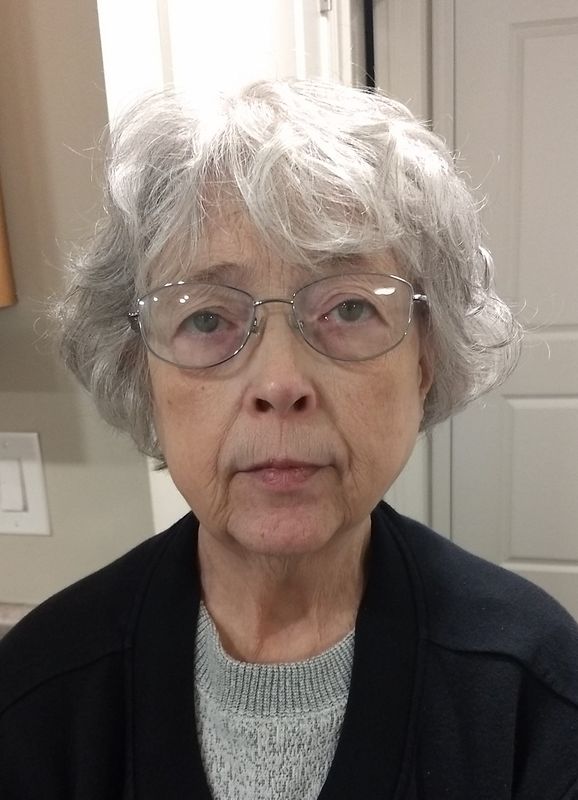
Diana Spore, PhD, MGS, is an older adult, Solo Ager, advocate, expert on mental health and aging, and freelance writer. Spore dwells in Ashland, Ohio
This article originally appeared on Ashland Times Gazette: Opinion: When does aging in place become dangerous neglect
Reporting by Diana Spore, Special to the Times-Gazette / Ashland Times Gazette
USA TODAY Network via Reuters Connect