A ban on surveillance pricing in New York state is seeing some progress as New Yorkers are showing increased concern about the practice.
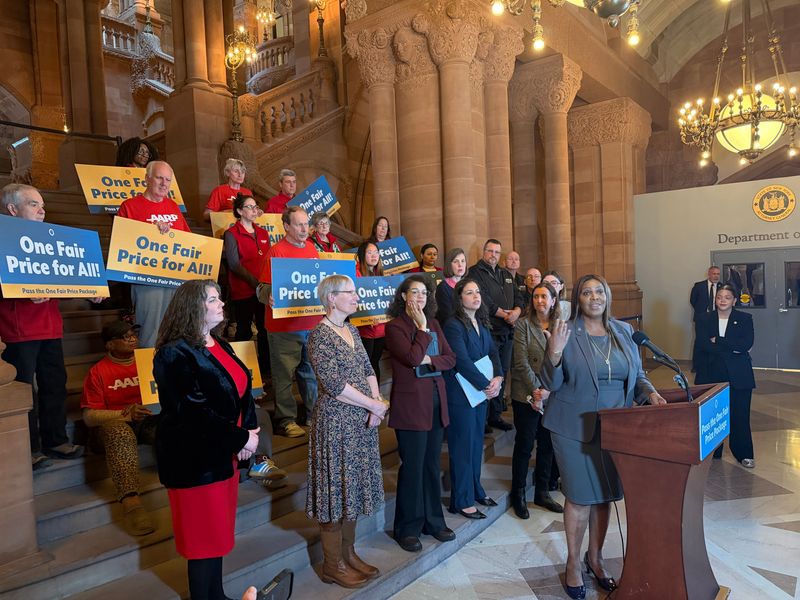
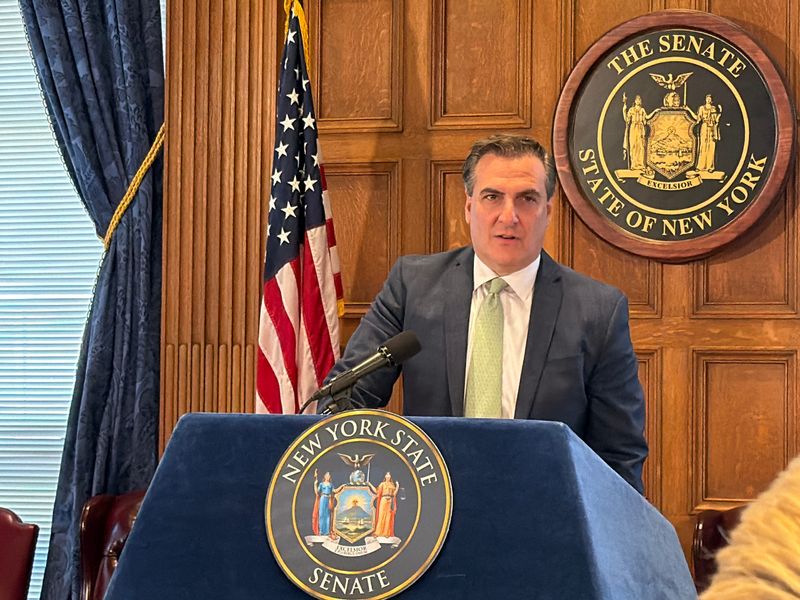
The state Senate advanced two bills — one banning electronic shelving labels and another prohibiting online retailers for basing their prices on the hardware, software or geolocation of an online device — on May 12 that aim to help cut costs for consumers.

“Passing the Protecting Consumers and Jobs from Discriminatory Pricing Act means New York will become the first state in the country to ban electronic shelf labels, which makes surveillance pricing possible,” the United Food and Commercial Workers International Union said in a written statement on May 13.
“This technology is only good for one thing: higher prices,” their statement continued. “New York’s comprehensive approach is the sole way to protect New Yorkers from predatory pricing in grocery stores.”
Here’s the latest.
What is surveillance pricing and why is it harmful?
Surveillance pricing, which consists of companies tailoring prices on goods depending on factors such as your search history, social media habits and where you are in the world, has been used by Instacart at retailers like Target and Costco, according to a recent Consumer Reports and Groundwork Collaborative investigation.
Walmart also recently announced the rollout of electronic shelf labels in thousands of its stores and is planning to expand the system chain-wide within the next year, saying it would help employees “save significant time by eliminating the manual task of changing prices.”
Red flags are being raised about the practice, however, because of its potential to lead to biased pricing if left unchecked. Since the prices determined by surveillance pricing are a result of someone’s personal data and possibly result in companies offering different prices to different people for the same product, state legislators assert it could cause discriminatory pricing.
They also say New Yorkers’ privacy rights are being violated by the practice and the use of surveillance pricing could possibly eliminate jobs statewide.
How do New Yorkers feel about surveillance pricing?
Several recent polls reveal mixed feelings among New Yorkers about surveillance pricing and the use of electronic shelving labels.
Results from a poll conducted by Washington D.C.-based pollster GBAO Strategies and released on April 22 found “overwhelming bipartisan support” for the ban in grocery stores. Almost 70% of New York voters say surveillance pricing will increase grocery prices, according to the poll results, and roughly two-thirds believe digital price tags would increase the amount they pay for groceries.
And 77% of likely New York voters say lawmakers should ban companies from setting prices based on customers’ personal data in a Data for Progress poll conducted between May 5-12, compared to 18% who believe the practice would benefit customers.
However, a Morning Consult survey conducted on behalf of tech industry policy group Chamber of Progress had different results. It focused on New Yorkers’ concern of missing out on possible discounts as a result of surveillance pricing, saying most New Yorkers believe banning targeted discounts would negatively impact them.
The survey of just over 1,000 New Yorkers reveals almost 60% of those polled say it’s reasonable for loyalty programs to charge different customers different prices and 66% prefer maintaining their access to the discounts over leveling the playing field and having everyone pay the same price.
What protections does New York currently have against surveillance pricing?
In November, the Algorithmic Pricing Disclosure Act, which was championed by New York Attorney General Letitia James, went into effect as a way to begin protecting New Yorkers from the potential dangers of surveillance pricing. The law requires most companies using algorithmic pricing to clearly disclose that they are using customers’ personal data to set individualized prices.
Two new bills introduced in December aim to diminish the use of the practice even further.
All three pieces of legislation include monetary penalties if they’re violated. The Algorithmic Pricing Disclosure Act carries a potential $1,000 fine per violation and both the Protecting Consumers and One Fair Price acts could possibly result in a $10,000 fine per violation. If companies continue to violate the One Fair Price Act, they could see up to $25,000 fines for each ensuing violation.
What’s next?
While the legislation banning electronic shelving labels was passed by the Senate last week, Sen. Rachel May, a Central New York Democrat who sponsored the One Fair Price Act, says that bill was pushed to this week.
And the bills passed by the Senate still have yet to get approval from both the Assembly and Gov. Kathy Hochul.
Emily Barnes covers state government for the USA TODAY Network-New York with a focus on how policy and laws impact New Yorkers’ taxes, communities and jobs. Follow her on Instagram or X @byemilybarnes. Get in touch at ebarnes@usatodayco.com.
This article originally appeared on Rockland/Westchester Journal News: Why surveillance pricing bills in NY could curb grocery price hikes
Reporting by Emily Barnes, New York State Team / Rockland/Westchester Journal News
USA TODAY Network via Reuters Connect