In 1926, regularly-scheduled radio broadcasting was just catching on. In Germany, many people considered Hitler a nuisance, rather than a menace. Many OTHER people, horribly, considered him a messenger sent from God.
The federal government took over the Bath Soldiers Home in the 1920s, converting it into a V.A. facility. Steuben’s last Civil War veteran died some twenty years later.

Movies gained both sound and color. Glenn Curtiss died at the startlingly young age of 52.
In 1929 the New York stock market crashed, and most Americans didn’t even notice – they didn’t own stock, after all. But the dominoes were cascading. Soon small businesses were OUT of business. Ingersoll-Rand and Corning Glass laid off hundreds, and cut wages for the “survivors” – municipalities and school districts followed suit.
From Hornell to Painted Post, six banks went broke without warning – AND without deposit insurance. At least one Avoca depositor, instantly impoverished, killed himself in despair. Steuben assisted thousands of homeless and transients every year. Starting in 1933 Roosevelt’s New Deal put people to work. Here in Steuben they built eight schools, numerous bridges, multiple river dikes, new water systems, the Arkport dam, many miles of improved highways, and much of Stony Brook Park. Plus more!
A 1935 flood wrecked our county and killed some 44 western New Yorkers, but many, many more Steubeners would die in World War II. Corning Glass, Ingersoll-Rand, Gunlocke Furniture, Mercury Aircraft, and Erie Railroad are only a few of the firms that started to boom with war production. Once the war ended, America was the world’s strongest power. We even had atomic bombs.
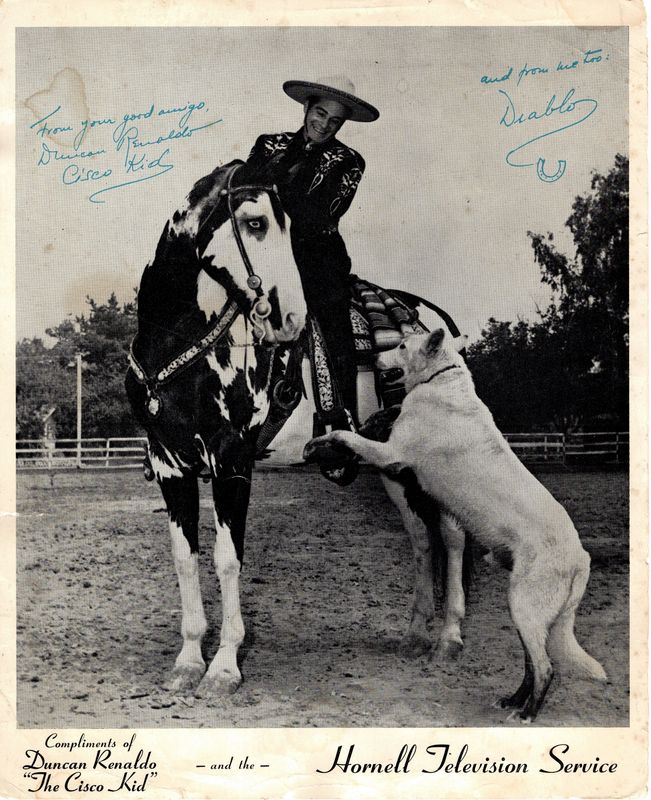
Steuben shared in the Baby Boom, the economic boom, and the polio vaccine. New schools were built, the last one-room schools closed, Corning Community College opened. Rural Steubeners got electricity at last, and EVERYBODY enjoyed television. (They all loved Lucy, laughed at Gilligan, and adored Miss Frances.)
Jets and helicopters crowded the skies. The Southern Tier Expressway brought in a high-speed limited-access highway, but passenger rail service vanished.
The Cold War heated up in Korea and Vietnam, and the world scanned the skies for nuclear bombers. A space race created communications satellites, weather satellites, spy satellites, and missions to the moon. The civil rights movement mobilized millions to demand equal treatment under the law. A social revolt changed society’s mores and morals. It started cracks in that glass ceiling – slowly, slowly, more opportunities opened for women.
In 1972 a flood eerily similar to that in 1935 killed more than a score of Steuben people, and did many millions of dollars in damage. Backed by the Glass Works, Corning took steps to recreate itself.
Curtiss Museum, Rockwell Museum, Finger Lakes Trail, and Corning Museum of Glass all came to be. Wayland opened Steuben’s second purpose-built library … 60 years after the first one, which is still in use today in Hornell. Corning’s library soon followed suit.
As the nation neared its bicentennial, Steuben County’s small farms, and general farms, were rapidly closing … Amish and Old Order Mennonites started buying in. Steuben reached its peak population (99,546) in 1970.
This was the age that spawned the superhero, beginning with Batman and Superman. “Li’l Abner” was one of America’s favorite comic strips, but “Peanuts” would outdo it. Fiberoptics, cell phones, and the Internet lay just over the horizon … and scarcely anyone suspected.
– Kirk House, of the Steuben County Historical Society, writes a column appearing in The Leader and The Spectator.
This article originally appeared on The Evening Tribune: Key happenings during Steuben County’s fourth 50 years | America 250
Reporting by Kirk House, Steuben County Historical Society, Special to The Spectator / The Evening Tribune
USA TODAY Network via Reuters Connect