As New York school districts prepare for taxpayers to vote on their budgets for the 2026-2027 school year in a matter of weeks, the increasingly late state budget poses unique challenges for both parties involved.
The state legislature passed their eighth budget extender on Wednesday, April 29, bringing the total amount spent on keeping the government open past the April 1 deadline to $16.7 billion. New York’s state budget process is currently being held up by policy issues Gov. Kathy Hochul wants passed, and it’s a process that’s been met with heavy pushback and mounting frustration this budget season, including calls to weaken the governor’s power within it.

Albany’s budget tardiness is also causing a trickle-down effect on other elements of state government, including how much school districts choose to allocate for their budgets, which then creates uncertainty for the taxpayers voting on those budgets.
Here’s what to know.
How a late state budget affects New York school districts’ budget process
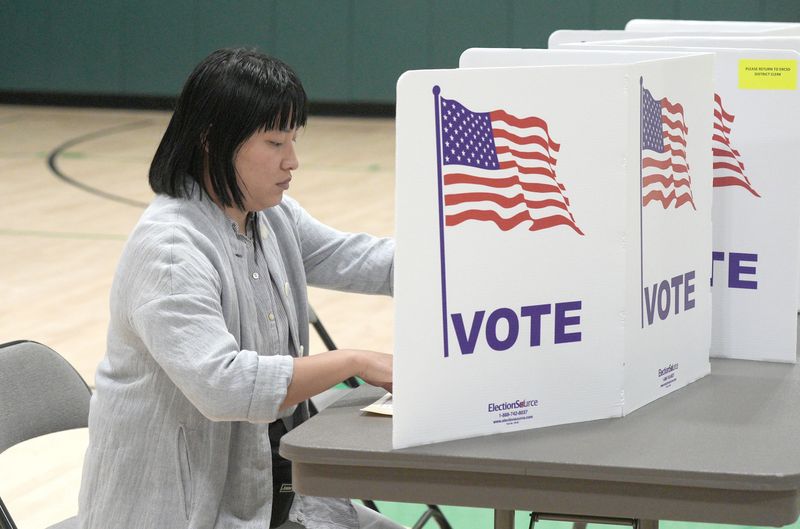
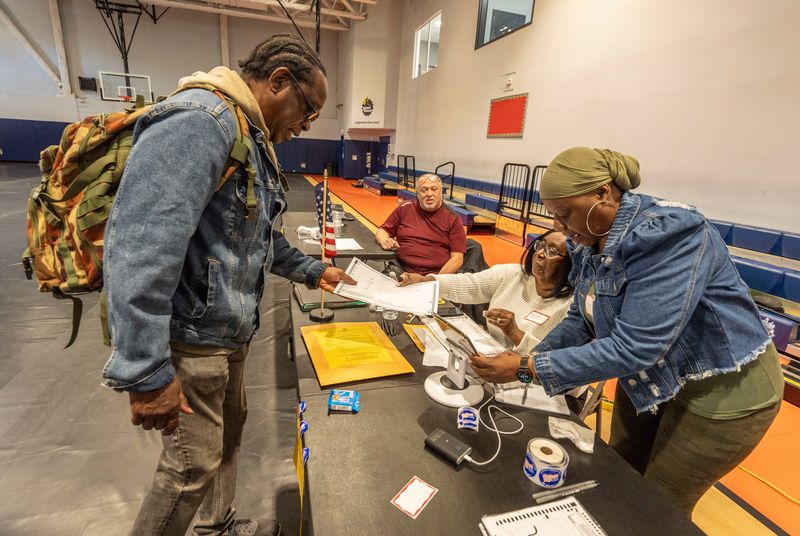
Most local school districts outside of the biggest districts — New York City, Buffalo, Rochester, Syracuse, Yonkers, Albany, Utica and Mount Vernon — have already had to make budget decisions, even though their votes aren’t until Tuesday, May 19. Military ballots for the smaller districts went out on Friday, April 24, and those with budget votes needed to submit their “property tax report card” data to the state Department of Education on Monday, April 27.
This means difficult conversations have been shouldered by school board leaders in recent weeks regarding whether they should take a risk and aim for higher budgets with the hope that the state aid is there to meet them once the state budget finally passes or play it safer, New York State School Boards Association chief advocacy officer Brian Fessler said.
“They’ve had to adopt these proposals with incomplete information in terms of state aid,” he said. “And for some districts, especially more needy districts across the state, their budgets are heavily dependent on state aid.”
Fessler later added: “There’s pros and cons being conservative, and there’s pros and cons being optimistic.”
And there is some flexibility in situations like this as taxpayers are voting on giving the school district the authority to spend up to a certain amount, Fessler said, which means they’re not required to spend that top dollar amount.
Foundation Aid, or the formula that determines how New York’s public schools receive funding, is expected to increase next year. Hochul’s executive budget proposal outlines a guaranteed minimum 1% increase, while both the Senate and Assembly’s one-house budgets propose a minimum 2% increase, which will apply to around three-quarters of the state’s school districts, Fessler says.
State lawmakers have brought up concerns about the late state budget’s affect on school district budgets in recent weeks, but Albany Democrats have attempted to quash those concerns on multiple occasions. Sen. José Serrano, a New York City Democrat, said they’ve been able to “get it done before that critical moment” in past years with late budgets, and Assemblymember J. Gary Pretlow, a Westchester County Democrat, said school districts will receive at least the minimum included in Hochul’s proposal.
That 1% difference, however, could equal critical pay needed to keep teaching positions or sports programs afloat.
“At best, it just creates inefficiencies,” Fessler said. “At worst, depending on the particular district situation, it can create post-state budget and post-school district budget vote complications.”
Taxpayers are also faced with uncertainty when budgets are overdue
Unlike much of the state and municipality budget processes, the school district budget process includes direct input from voters. Information about the following school year’s budget, including how it’s impacted by a late state budget, is relayed to taxpayers through newsletters and mandatory budget hearings open to the public.
However, Fessler says turnout for most school district budget votes across the state is “fairly low” and attendance at these hearings is “minimal” unless something notable is up for discussion.
“I think unless you have some reason to be tuned in — if you work there or you have students in the district — it can feel very removed,” Fessler said.
Most people just get their property tax bill and pay it, he added, and for New Yorkers who don’t have to pay the bill directly, such as those who live in apartments, they’re even less in tune with the process. The start of the state’s property tax cap in 2012 has also led to decreased participation, Fessler said.
Taxpayers’ property taxes are directly impacted by how much school districts plan to spend each year. And while there’s potential for taxpayers to see lower property taxes if the state provides more aid to a district than expected, late state budgets make it difficult for taxpayers to know exactly what they’re voting on.
“Any time a school district is effectively forced to put together a budget proposal with incomplete information, then, by extension, voters have incomplete information,” Fessler said.
Emily Barnes covers state government for the USA TODAY Network-New York with a focus on how policy and laws impact New Yorkers’ taxes, communities and jobs. Follow her on Instagram or X @byemilybarnes. Get in touch at ebarnes@usatodayco.com.
This article originally appeared on Rockland/Westchester Journal News: ‘Needy’ school districts hurt most by late NY state budget. Here’s how
Reporting by Emily Barnes, New York State Team / Rockland/Westchester Journal News
USA TODAY Network via Reuters Connect