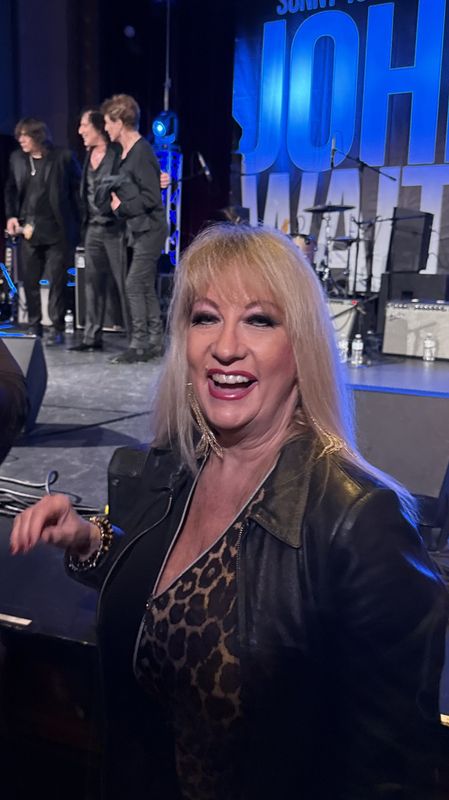
Joan Zaleski was excited when two of her favorite throwback rock bands announced a tour.
The 67-year-old Massillon resident had been a fan of Angel and Starz since the ’70s. And it was especially cool they were playing a small club like The Winchester Music Tavern in Lakewood.

She scrambled to find tickets online and purchased two for about $40 each. Good vibes continued until show day, when she took a friend to the concert. But her happiness turned to disappointment when she found out there weren’t any tickets waiting at will call. She had been scammed.
“I saw something on Facebook about the show … and I kind of fell for one of those, ‘Unfortunately, me and my wife aren’t going to be able to go … and stupid me, I private messaged the guy and paid for the tickets,” she said.
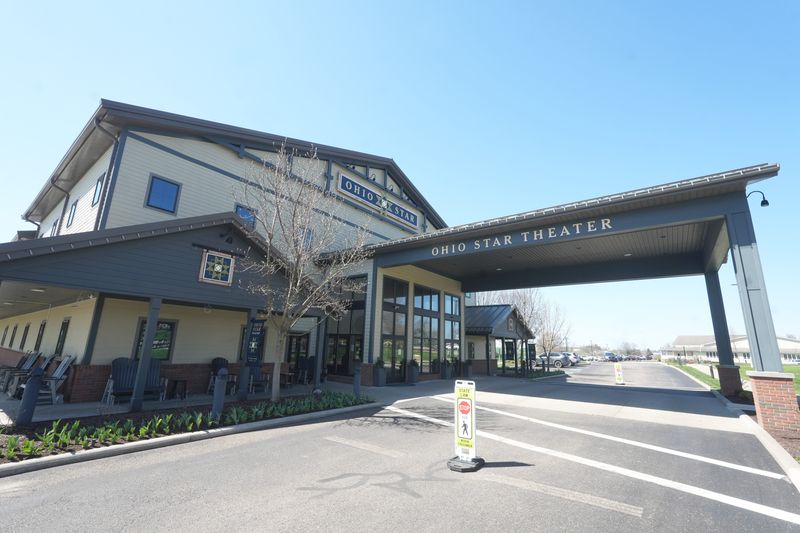
Fortunately, the venue let her into the show anyway. But similar scenes have played out at other venues in Northeast Ohio and across the state, often smaller ones like the Canton Palace Theatre, Celestia Theater in Wadsworth, the Performing Arts Center in New Philadelphia, and Ohio Star Theater in Sugarcreek.
So much so that state Rep. Mark Hiner, R-Howard, introduced legislation aimed at combatting ticket fraud for concerts and other live entertainment.
Introduced in October 2025, House Bill 563 targets ticket scammers in an effort to protect consumers from deceptive resale practices while creating more transparency in the ticket buying process.
Zaleski was scammed by an individual ticket seller and not a secondary marketplace or third-party ticket service. Consequently, the proposed legislation likely wouldn’t make a different in those cases. But the pending bill shines a light on a growing problem in an age when online access to sell and buy tickets is both convenient and risky.
Under the legislation, measures would include instituting a proof of purchase and refund policy requirement while prohibiting third parties and online marketplaces from selling tickets over which they do not have possession.
“Once we introduced it, I was shocked at how many people walking around the Statehouse said, ‘Yeah, I got screwed buying tickets to ZZ Top or whatever,” Hiner said. “They were just random encounters, and I thought, ‘This is a much bigger problem than I thought it was.'”
The bill could leave the Technology and Innovation Committee in May, he said. House and Senate votes could follow later this year or next year.
Proponents of the bill testified before the committee. Meetings and extensive conversations also have taken place with representatives of live entertainment giants Ticketmaster and Live Nation, as well as SeatGeek and StubHub, both leading platforms in the ticket resale industry, Hiner said.
Ticket scams aren’t unique to Ohio, according to the Better Business Bureau, which in 2024 received more than 140 reports on BBB Scam Tracker about ticket scams related to sporting events, concerts, theater and other entertainment, although the issue is believed to be vastly underreported and far more widespread than those numbers indicate.
Live Nation, which is the parent company of Ticketmaster, said it applauds the legislature’s “efforts to protect fans and artists with reforms, including a ban on speculative ticketing, deceptive websites, and the bots that scalpers use to take tickets from real fans.
“No one should be able to scam fans by listing tickets they don’t have or by pretending to be legitimate ticket sellers,” Live Nation said.
The committee is still seeking input on the bill, and another hearing could take place in May, when opponents and interested parties are expected to testify, according to Hiner’s office.
“I’m fairly optimistic that we might get it done this year,” Hiner said of sending the legislation to Gov. Mike DeWine.
The way we buy tickets has changed
The ticket buying landscape has changed dramatically in recent decades. From the days when tickets were purchased from box offices, record stores and ticket outlets at department stores to online ticket queues and the emergence of resale platforms.
Paper tickets are now largely obsolete and missed by Zaleski, who has a vintage ticket collection in the hundreds. She remembers going to Sears and Kaufmann’s at the mall or a Massillon record store to buy tickets for Kiss and Aerosmith concerts. In those days, the resale market was known as scalping.
“I got up really early and got my place in line,” she said with a laugh.
But she adapted and became tech savvy, regularly buying tickets for concerts using a computer or cell phone. Even so, she still got scammed about three years ago for the Angel and Starz concert.
“That could happen to anyone,” the retired post office supervisor said. “I was surprised that I actually fell for the scheme, but I was just so desperate to get tickets for the show.”
Zaleski said she let down her guard. Now she’s more cautious, buying tickets from Ticketmaster or directly from the venue. She also uses SeatGeek and Vivid Seats.
‘A bad experience for everyone’
Hiner said he wants to create safeguards for those attending concerts and events. He became aware of the issue as vice chair of the Arts, Athletics, and Tourism Committee.
“I’ve not had a problem personally, but being on the (committee) and talking to people in that area, you hear all these rumblings out of these different people talking about these problems,” said Hiner, who represents the 98th District, which includes all of Holmes and Coshocton counties and portions of Knox County.
The bill originated with CreativeOhio, a nonprofit arts advocacy agency, said Sarah Sisser, executive director and CEO of the group. Minnesota’s Ticket Sale Disclosure and Conduct Prohibition Act was used as a template, she said.
Smaller Ohio venues have been integral to the legislation, as well as the nonprofit Columbus Association for the Performing Arts, Sisser said.
Also supporting the legislation are BalletMet, a professional ballet company in Columbus, MEMI in Cincinnati, a wholly owned subsidiary of the Cincinnati Symphony Orchestra, and the Renaissance Theatre in Mansfield, Sisser said.
“It’s happening all over the state and negatively impacting patrons and arts organizations everywhere,” she said.
During “The Nutcracker” at Ohio Theatre in 2025, BalletMet recorded 110 instances of ticket fraud for one show during a two-week run, Sisser said.
Larger nonprofit performance venues lose up to $100,000 annually due to ticket fraud and deceptive practices, Sisser said.
To what degree bigger arenas are impacted by the problem is lesser known because Heritage Bank Center in Cincinnati and Rocket Arena in Cleveland didn’t respond to requests for comment. Nationwide Arena in Columbus declined to comment for this article.
Ticket buyer paid $1,500 for a fake meet and greet
Wilma Mullet, executive director of the Tuscarawas Arts Partnership, said the venues she represents in the New Philadelphia area all tell stories similar to Zaleski’s, and while the details and scale of the scams differ, they share one thing in common — unhappy customers.
Inexperienced or infrequent ticket buyers may fall prey to scams, she said. Instead of buying tickets through the venue or the designated ticket service, buyers will randomly search for an event or spot an advertisement online. Third-party ticket resellers and secondary markets often pop up before the venue, Mullet said.
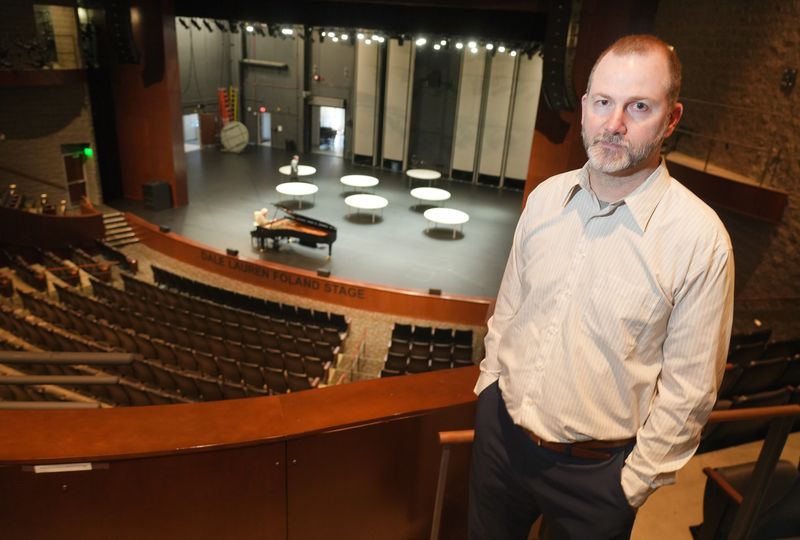
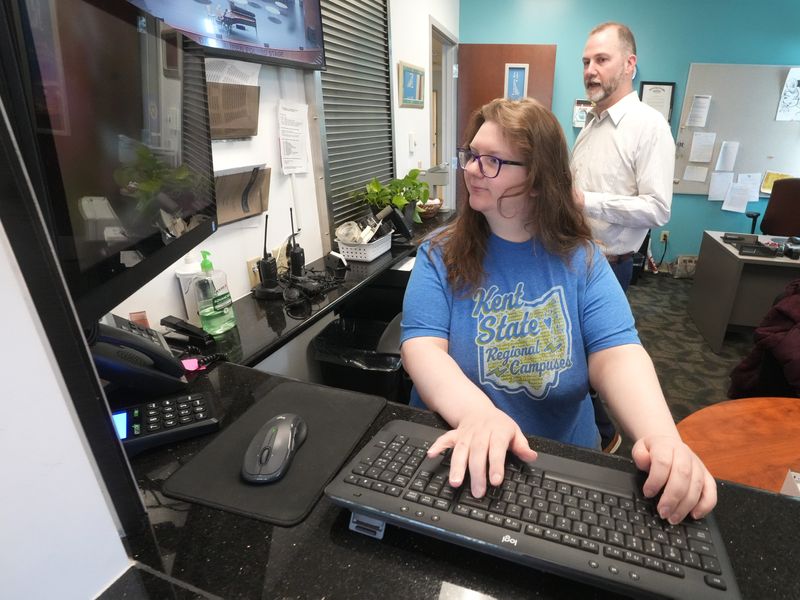
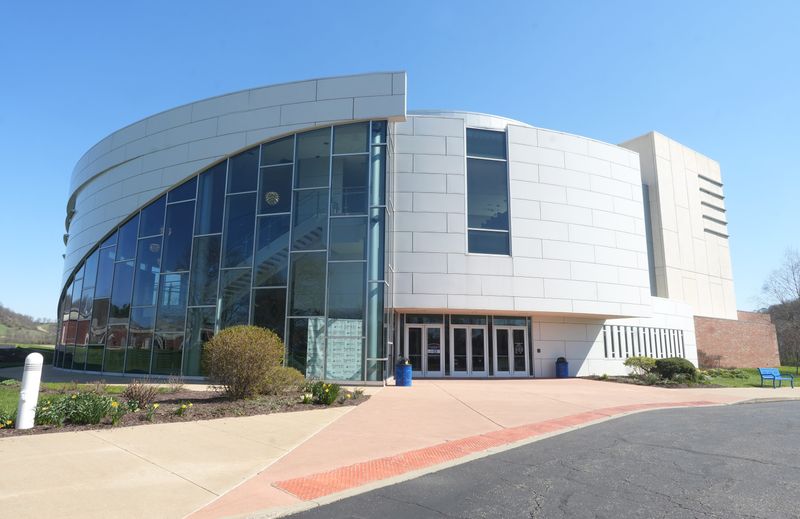
David Mitchell, general manager of the Performing Arts Center on the campus of Kent State University at Tuscarawas, runs into the same thing.
“We’re not necessarily used to the ticket buying process,” Mitchell said of the broader public. “If you’re buying a plane ticket to go on vacation, you’ll generally search around sites for the best price, but I don’t think people necessarily think about that for (event) tickets.”
Complaints also include exorbitant prices charged for resale tickets that would have cost much less if purchased from the venue, Mitchell and Mullet said.
The difference in cost is striking at venues such as the Players Guild Theatre in Stark County on the campus of Kent State University at Stark.
Second row tickets in the center of the theater cost $45 when purchased directly through the Players Guild website and Etix for the May 15 performance of “Matilda.”
But Tickets Center was the first site that popped up during a random online search for the venue using the Bing search engine. The resale platform was selling tickets for $149 and $159 each without listing specific seats.
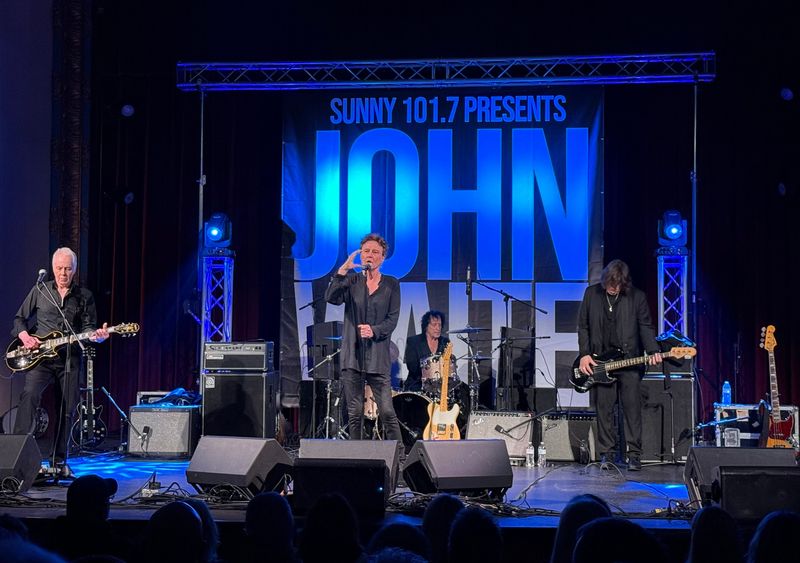
A more extreme example is the recent John Waite concert at the 681-seat Lions Lincoln Theater in Massillon.
The concert was sold out weeks in advance, with tickets originally costing $39 to $79 through the ticket service Event Brite. Resale tickets for the show were nearly non-existent online, but StubHub listed a pair for $987 each about a week before the concert.
Georgia Paxos, executive director of Canton Palace Theatre, recalled when someone was charged $1,500 by a third party for a meet-and-greet ticket that didn’t exist for an Amy Grant concert in 2015.
“There are many more instances that have happened that make it a heartbreaking experience the night of the event,” she said.
Although resale ticket prices won’t be controlled or capped under House Bill 563, Paxos said it addresses “many of the ticketing challenges we and our attendees already face,” including fake or misleading websites and undisclosed sellers.
Violations of the bill’s provisions would be classified as deceptive practices and could result in a civil penalty of up to $15,000 per day, enforceable by the Ohio attorney general’s office.
‘You just pay more!’
Tom Weygand, who oversees The Celestia Theater in Medina County for the Wadsworth Square Foundation, recently issued a warning about third-party sellers.
“Notice: Friends,” it began on the venue’s Facebook page. “PLEASE don’t buy seats for our shows (through) 3rd party websites or apps. It’s not us. You just pay more!
“And sometimes it’s a scam,” the post read. “Etix is our official ticket service, and we’ve negotiated VERY low fees … and they are a great reputable company.”
Susan Sullivan, 68, of Wadsworth said she recently bought marked up tickets from an online ticket source for an event at The Celestia Theater.
An advertisement for an ELO tribute band show said tickets were in scarce demand, which is a common tactic with third-party sellers, but it wasn’t the case.
Eager to buy tickets before they sold out, Sullivan said she paid $122 for two tickets — the venue was selling them for $22 to $30.80 each.
Sullivan contacted the online marketplace and told them she was appalled at the inflated pricing. She accepted a partial refund of $30 for both tickets.
Sullivan was able to keep the tickets, however.
“So, now I guess I’m going to have to go down to The Celestia Theater and find out if these actually are real tickets that they sent me via email and whether or not we have a seat for the concert,” said the retired VA hospital nurse. “It is very disheartening. I would certainly support a House bill that could move things in the right direction and protect the patrons.”
Third-party sellers and secondary marketplaces also hurt both promoters and smaller venues “that are financially on the hook and trying to develop these ticket-buying bases,” Weygand said. “And secondary markets come in and inflate prices, and they hold no accountability for it to the consumer.”
Weygand said Ohio’s proposed legislation is a “good start.”
“I’m not a big government interfering with business guy, but I think these practices have crossed over to where the general public needs to have a watchdog over this type of stuff, and these … predatory ticket sellers, especially the fraudulent stuff and speculative stuff, they need some oversight,” Weygand said.
Hiner admitted the legislation wouldn’t eliminate fraud and deceptive practices.
“This should help curtail it but at the end of the day, people who are dishonest and willing to break the law, they’ll keep doing it and they’ll find a way,” he said. “This won’t solve everything but hopefully, this will make it better.”
Mitchell, of the Performing Arts Center, said smaller venues sometimes get blamed for ticket fraud and high prices. The venue gives free tickets to scam victims and absorbs the costs, which eats into an already slim profit margin, he said.
“It’s grown exponentially,” he said of the problem. “… This is kind of something we’re dealing with almost on a daily basis.”
Mitchell supports the legislation, although he believes it should also crack down on inflated ticket prices.
Positives in the bill include requiring third parties to disclose they are not the venue and verified seller of the tickets, he said.
‘It really misrepresents the theater.’
Customer service is a top priority at Ohio Star Theater, a roughly 500-seat venue in Tuscarawas County, said Larissa Carrick, managing director.
Third-party sites discourage people from supporting the theater and experiencing live entertainment because tickets cost hundreds of dollars more than what the venue is charging, she said.
A third-party seller even charged ticket buyers $100 for parking that is offered for free at the Ohio Star Theater.
“It really misrepresents the theater,” Carrick said.
Speculative tickets
Speculative ticket sales (selling tickets you don’t possess) would be regulated if the legislation passes.
“These speculative online quote ticket services, they don’t even purchase the tickets and resell them,” said Weygand of Celestia Theater. “They’re speculating on open seats and charge 40% to 50% or 100% of face value.”
Such practices have resulted in seats being “double sold,” he said. “The transaction overlapped.”
An alternate seat was found in that case for the person who was scammed, Weygand said.
Speculative pricing (listing tickets on resale platforms before they go on sale or before the seller possesses them) has been a point of debate with House Bill 563, said Brian Berry, executive director of the Ticket Policy Forum, which advocates for the secondary marketplaces StubHub, SeatGeek, TickPick, Gametime, Vivid Seats and Events Ticket Center.
“We sparred on that a bit,” he said. “We support a ban on deceptive speculative tickets. We believe the consumer should know what they’re buying.”
‘There’s always someone looking to sell their tickets.’
SeatGeek, StubHub and Vivid Seats told The Canton Repository they provide a valuable service.
Berry said such outlets make sold-out shows obsolete.
“There’s always someone looking to sell their tickets,” he said. “Life changes, plans change.”
Ticket brokers offer many advantages, including the ability to score great seats that otherwise wouldn’t be available, Berry said.
Shoppers also can peruse secondary marketplaces to compare prices and find deals. And tickets may plummet in price closer to the event, he noted.
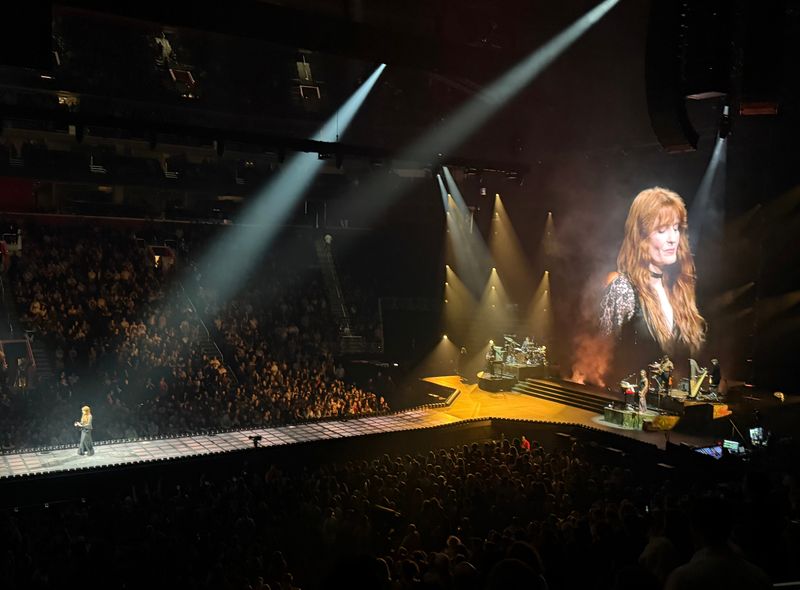
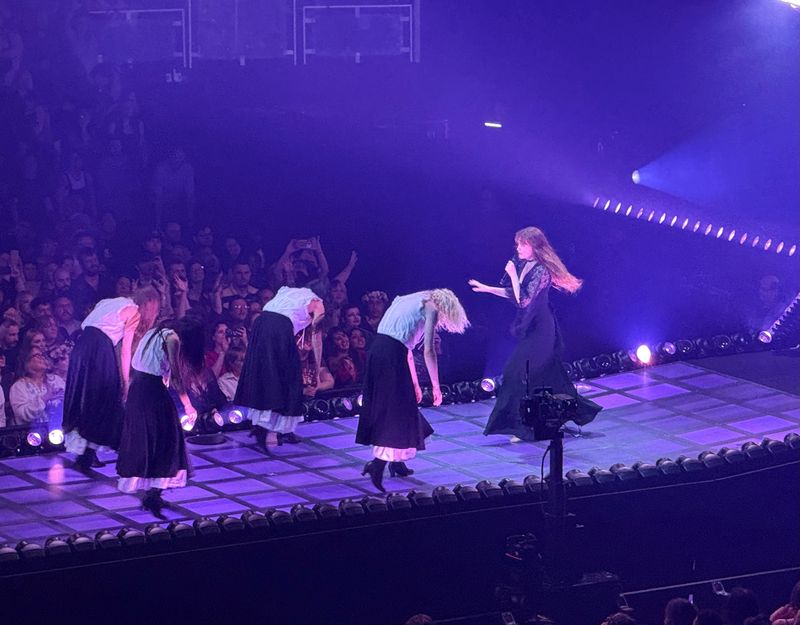
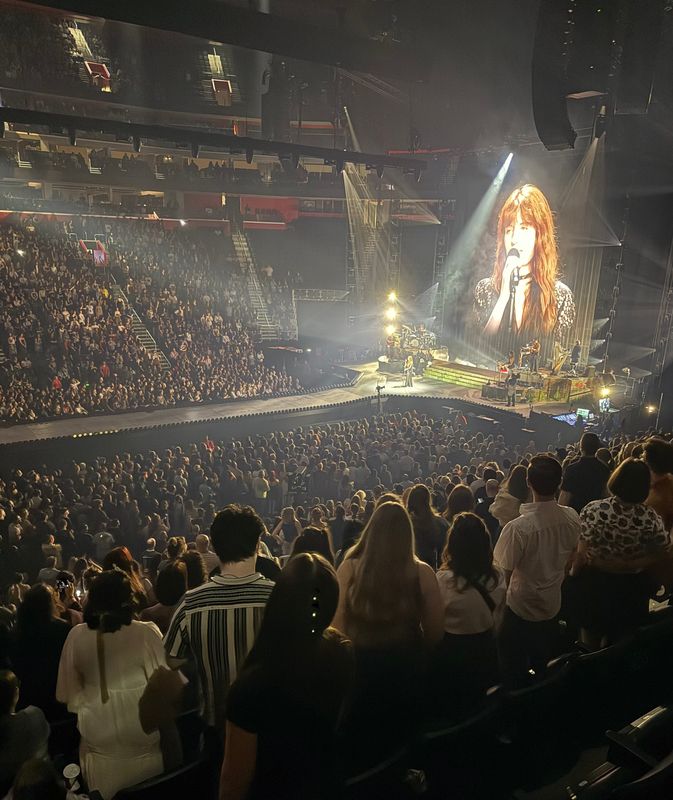
Remaining tickets for the recent Florence + the Machine concert at Little Caesars Arena in Detroit were slashed on resale sites even after the doors opened and the opening act had started.
Competition for Ticketmaster
Ticket Policy Forum said it champions the freedom of ticket owners, who should have the right to freely resell, transfer or give away their tickets.
Jack Sterne, StubHub’s head of policy communications, said the ticketing platform’s “goal is to help fans attend the events they love, and we share the (Ohio Legislature’s) focus on increased transparency and fighting fraud.
“That said, the exact details matter, and we are working with the sponsor’s office to ensure this bill supports an open, competitive marketplace that continues to provide access for fans.”
Berry said he also wants the needs of all size venues and events to be considered, not only the smaller ones.
Secondary marketplaces also provide a level playing field and competition for Ticketmaster, which is the dominant ticket sale and distribution company in live entertainment, he said.
Ticketmaster also offers an online resale platform, where verified tickets can be sold for some events.
‘We don’t like them.’
Secondary marketplaces are in high demand, Berry said, proven by tens of millions of customers across the industry annually.
He said the coalition of secondary markets he represents are not the scammers.
“We have 1-800 numbers,” he said. “If they were doing shady and scammy practices at the scale being suggested or sometimes, they would not be in business.
“These fake, scammy websites, they steal business from our customers, too,” Berry added. “We don’t like them.”
Vivid Seats said in an emailed statement that the company invests “heavily to protect our customers and take pride in making ticket resale safer for customers by virtually eliminating ticket counterfeiting and providing our consumers with unparalleled protection.”
Vivid Seats said it has “a nearly 100% successful on-time delivery fulfillment rate for tickets sold on our platform.” Tickets are backed by a full buyer guarantee, the ticket platform said.
“We support a fan’s right to use, sell, or give away tickets they purchase as they wish,” Vivid Seats added. “We also support legislation like that enacted in California, New York, Tennessee and Maryland, that makes undisclosed speculative ticket sales unlawful, and it also is why we prohibit this type of speculation on our platform.”
“We’re also actively engaged in Ohio and working closely with key partners in the state, including (Rocket Arena) and (professional soccer club) FC Cincinnati, which has informed our thinking on this bill,” the company said.
Joe Freeman, SeatGeek’s vice president of government affairs, said the company shares “the concerns raised by Ohio venue operators regarding misleading and deceptive websites.”
And “we also support measures to address speculative ticket listings, which are a real issue for fans and venues alike and a practice SeatGeek does not permit. That’s why we believe requiring seat-level information is a concrete protection that can make a meaningful difference for fans.”
HB 563: ‘It’s well-intended.’
Berry applauded Hiner for striving to make the ticket buying and resale process more transparent, while balancing the interests and concerns of both sides of the issue.
“I think at a high level, I’d say we totally get what Rep. Hiner is doing,” he said. “It’s good stuff; it’s well-intended.
“More protections for fans is a good thing.”
Reach Ed at ebalint@gannett.com. Follow on Instagram at ed_balint and on TikTok @edwardbalint
Ticket buying tips
Here are tips to avoid getting scammed when it comes to buying tickets to events:
∎ Purchase tickets directly from the venue or its ticket service, said Georgia Paxos, executive director of Canton Palace Theatre.
∎ If the price of a ticket seems surprisingly high compared to what you’d expect for the event, verify that the website you are using is for the venue hosting the entertainment, Paxos said.
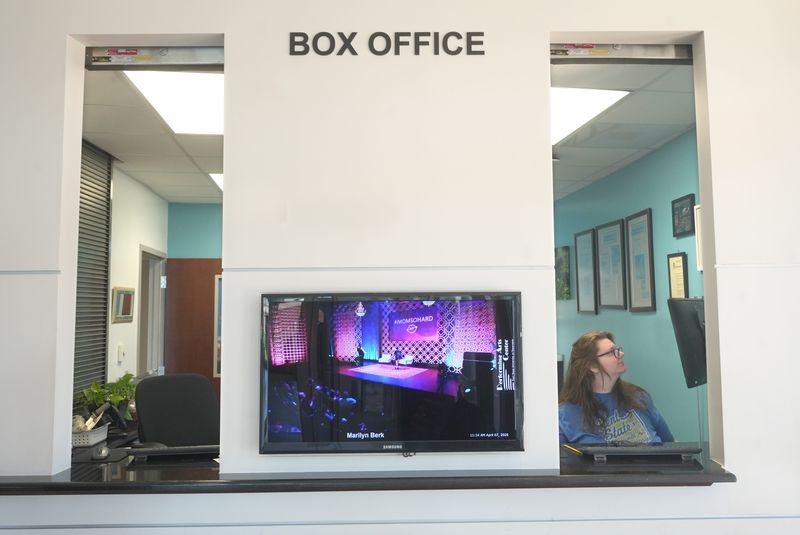
∎ If you are unsure about purchasing tickets online, go to the physical box office at the venue or call the venue during business hours, recommended Blake Schilling, general manager of Canton Memorial Civic Center.
∎ Unless tickets are general admission, do not buy tickets without the specific section, row and seats being listed, said David Mitchell, general manager of the Performing Arts Center in New Philadelphia.
∎ The Better Business Bureau advises buying concert and event tickets only from official or authorized sellers; verify websites before paying; and avoid high-risk payment methods like Zelle or Venmo.
∎ Official ticket platforms often offer email and or app notifications for presales and special offers when tickets go on sale. This can help you avoid the need to purchase from unverified resellers, according to the National Association of Ticket Brokers.
∎ Look up sellers on the Better Business Bureau website.
∎ The BBB says to use a credit card, so you have some recourse if the tickets are not as promised.
This article originally appeared on The Repository: Ohio bill seeks to combat ticket fraud, help venues
Reporting by Ed Balint, Canton Repository / The Repository
USA TODAY Network via Reuters Connect