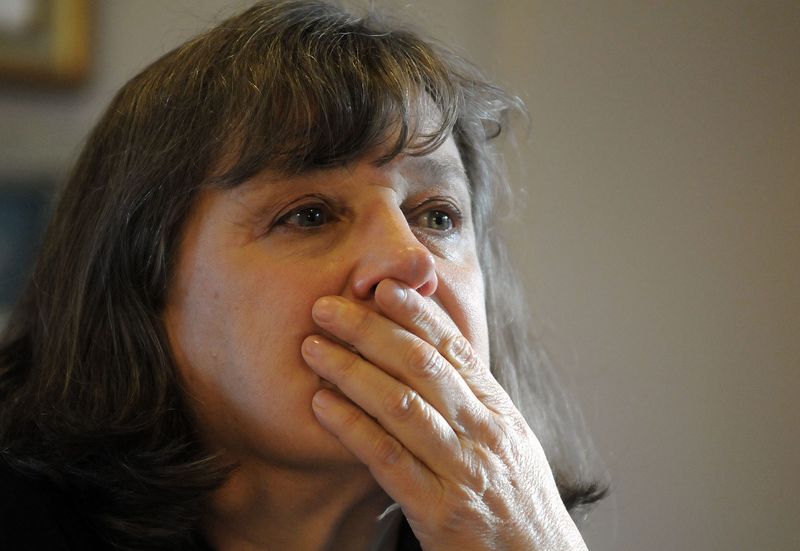
More than 14 years later, Jennifer Hurst calls her kidnapping “a shadow that’s cast over most everything.”
Hurst, then 62, was kidnapped while walking her dog the night of March 13, 2012. Two men, one of them named Nathan Taylor, had committed a home invasion at a neighbor of hers and were desperate as authorities closed in on them.

Taylor separated from his co-conspirator and held Hurst for 12 harrowing hours before releasing her unharmed in the parking lot of the Cleveland Browns’ stadium.
Since then, Hurst has been in and out of therapy. She also has been writing a manuscript of what happened, but has been dissatisfied with the results.
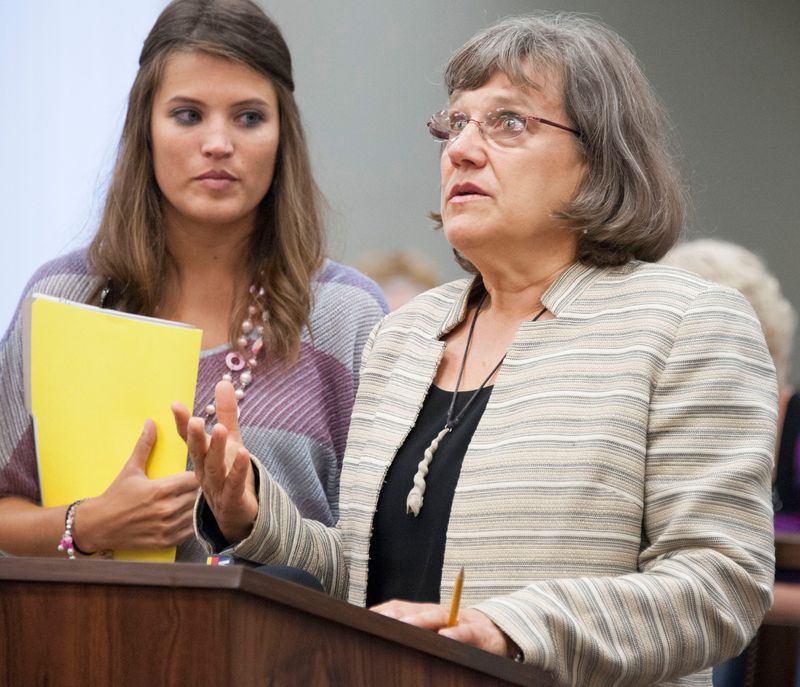
She granted a lengthy interview with the News Journal in the months after the kidnapping for a story.
Her ordeal is back in the news with a podcast called “Passenger Seat.” Tom Joudrey is behind the podcast after doing extensive research on the incident.
“This is a story about how addiction ricocheted within two families and how the best intentions can curdle into tragedy,” he said.
For her part, Hurst said she has been processing the story for “a very long time.”
In addition to therapy, she earned a master of fine arts degree in writing from Pacific University to help tell her story.
“Part of that (dissatisfaction) is my own perfectionism,” she said. “I wanted it to be as honest as it could be.”
Hurst gets brutally honest in the podcast, revealing family trauma and her father’s and brother’s own struggles with addiction. Taylor, too, was an addict.
Hurst recalls night of kidnapping
Hurst walked her dog in the evenings to prevent any nighttime accidents. On the night in question, the home invaders emerged from the shadows, with Taylor threatening to kill Hurst.
They went to her house and secured her car. Taylor’s accomplice eventually wanted to get out of the car and go to his uncle’s for drugs.
“They divided up the money and they switched guns,” Hurst said.
For the next 12 hours, Hurst and Taylor visited a number of ATMs and went to Taylor’s drug dealer in Little Kentucky, where he snorted Percocet in front of Hurst.
They also stopped by a Walmart to allow Taylor to buy clothes to replace what he was wearing and wound up in Ashland at the house of Taylor’s mother.
Taylor told Hurst that he wanted to say goodbye to his mother, then go to a hotel and commit suicide.
“She (Taylor’s mother) said, ‘Nate, don’t hurt the lady,”’ Hurst recalled. “That’s when I learned his name.”
The hostage and kidnapper wound up in Cleveland, where Taylor inexplicably gave Hurst back her keys and cell phone, even telling her how to get to Interstate 71.
Taylor went so far as to extend his hand and apologize to Hurst, who waved to him as they separated. His gun was not loaded.
“I berated myself for being so timid and not taking any chances,” she said. “I thought that if I made an escape attempt, he would become violent.”
Joudrey described Hurst as “compliant.” She gave Taylor her PIN number to get money from the ATMs.
Hurst believes she reacted the way she did because of her own family’s struggles with addiction.
“I have a lot of sympathy for him,” she said of Taylor. “He did evil things, but I don’t think he’s an evil man.”
Hurst said her father and brother “did awful things” and faced sexual assault charges. They have both since passed away.
“I mortgaged my home to hire a lawyer for my father,” Hurst said. “I didn’t hire a lawyer for my brother, and he ended up dead.
“I was devastated. I was devastated. I was devastated.”
Hurst said, in some ways, she was the “perfect person for Nathan Taylor to kidnap.”
Ontario graduate picks up the story
Joudrey’s parents own Apple Hill Orchard, a short distance from where Hurst lived at the time. His mother is friends with Hurst.
“I reached out to her to find out more about her case in 2023,” he said.
Joudrey graduated from Ontario High School in 2003. He received his bachelor’s degree from American University in Washington, D.C., and his Ph.D. in Victorian literature from Penn State University.
Joudrey is a writer whose film and culture criticism have been published in the Guardian and the Boston Globe. He works at Penn State in development communications.
Hurst is his first podcast subject.
“She thinks she’s retold this story more than 200 times,” he said. “It speaks to how much this imprinted on her.”
Joudrey said her captivity was a fascinating topic.
“For listeners, you kind of think of what you would do,” he said. “It’s kind of a wild ride in that way.”
Joudrey said he wanted to go deeper on the incident. He was interested in why Hurst was so compliant with Taylor.
In 2024, Joudrey also interviewed Taylor on two occasions.
“He was generous and candid in telling me about the kidnapping,” the podcaster said.
Joudrey said Taylor grew up around addicts and became one himself.
“He’s on heroin and cocaine when this (kidnapping) happens,” Joudrey said.
Taylor revealed that his mother became addicted to pain pills for a tumor on her spine and ended up in prison for writing false prescriptions.
“They used together and spiraled downward,” Joudrey said.
In fact, she encouraged the home invasion, which took place at the home of Taylor’s former employer.
“Having Nathan’s side of the story and information about his mother and his life adds such an important dimension,” Hurst said. “I just learned so much from Tom’s discussions with Nathan.”
At the same time, Hurst did not want to visit Taylor.
“It was too hard for me,” she said.
Apparently, Taylor wrote a letter to Hurst not long after he was sent to prison, but she never received it.
The aftermath
The conclusion of the podcast returns to the kidnapping and its aftermath. After Taylor allowed Hurst to go free, he wanted to see his daughter in Texas one more time before committing suicide.
But he could not find a bus heading there directly from Cleveland and ended up going to Chicago, where authorities were waiting on him.
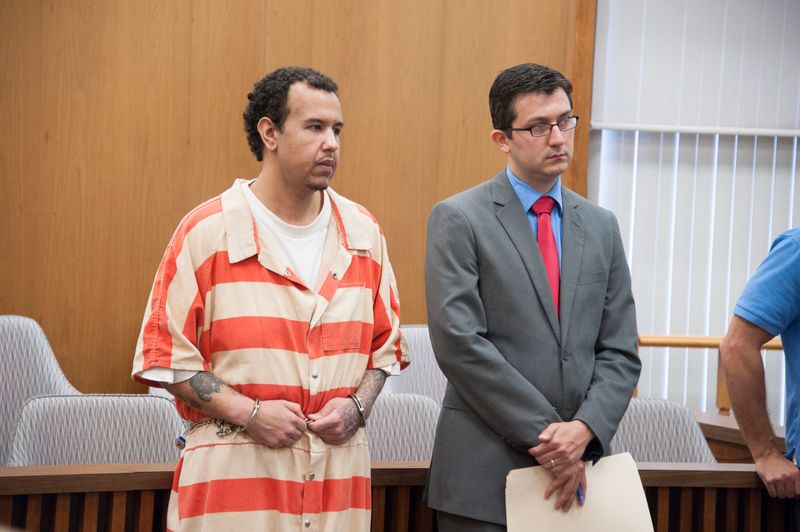
Taylor was convicted of kidnapping, aggravated burglary and aggravated robbery. He is housed at Grafton Correctional Institution. Taylor’s release date is Dec. 3, 2036.
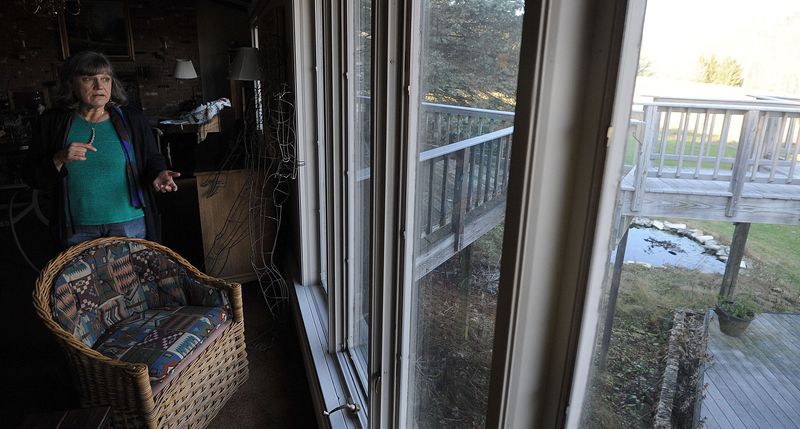
As for Hurst, she left Mansfield in 2024 to relocate to the Carolinas. She currently lives in Weaverville, North Carolina, a suburb of Asheville.
While she has gotten past the panic attacks, Hurst said she thinks of what happened to her often.
The retired lawyer keeps her license active and is involved with the local Democratic Party. At 75, she goes on weekly hikes with a group. Before talking to the News Journal for this story, she put in seven miles.
What happened to her in 2012 doesn’t define her.
“I’m enjoying life. Life is good,” Hurst said.
To listen to “Passenger Seat,” visit Spotify, Apple or Amazon Music. Since it went live March 23, it’s been streamed and downloaded more than 7,000 times.
Reach Mark Caudill at 419-521-7219 or via X at @MarkCau32059251.
This article originally appeared on Mansfield News Journal: Former Mansfield woman recalls 2012 kidnapping in podcast
Reporting by Mark Caudill, Mansfield News Journal / Mansfield News Journal
USA TODAY Network via Reuters Connect