By Michael S. Derby
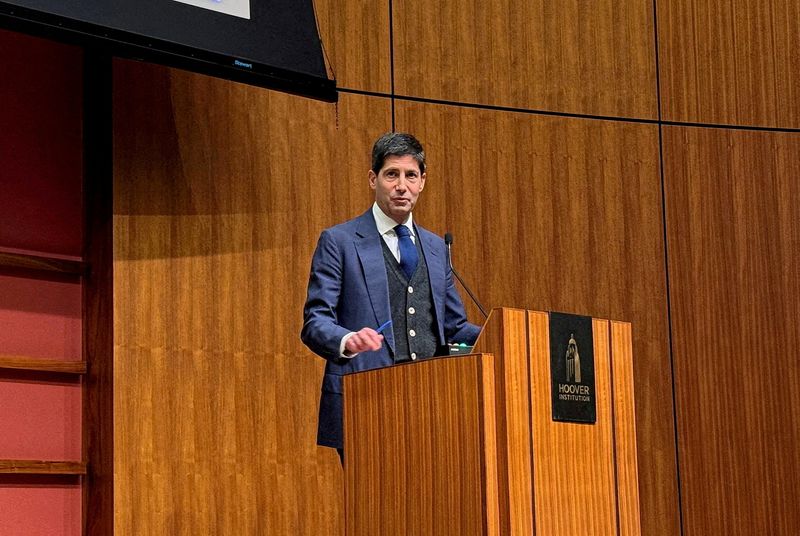
NEW YORK, April 20 (Reuters) – Democratic members of a Senate panel set to hold a confirmation hearing for Federal Reserve chair nominee Kevin Warsh on Tuesday are worried about the potential central bank leader’s pledge to unload assets not allowed by current ethics rules.

In a report on Monday, the group pointed to Warsh’s recent plan to unload millions of dollars in assets if made Fed leader and asked who might buy this large volume of holdings, some of which may be hard to sell.
Warsh “has not provided key details regarding his plans to divest his assets,” which means it is unclear to Congress and the general public who or what will be buying these assets, minority members of the Senate Committee on Banking, Housing, and Urban Affairs wrote in their report.
“Without transparent information on his holdings and divestitures, there is no way for the public to have confidence that Mr. Warsh is making decisions based on what is in the best interest of our economy, instead of his own bottom line or the interests of his Wall Street billionaire associates,” the report said.
The Democratic report also pointed to Warsh’s very close ties to financier Stanley Druckenmiller and wondered if he would be an avenue to help Warsh unload his holdings.
“The vast majority of Mr. Warsh’s assets are tied to Mr. Druckenmiller, raising concerns that if Mr. Warsh divests his assets as he has committed to, Mr. Druckenmiller could be one of the people cutting a check to Mr. Warsh,” the report said. “It is not unreasonable for the public to question an arrangement in which a billionaire investor cashes out the future Fed Chair to the tune of millions, as he takes office,” the legislators wrote.
Warsh did not immediately respond to a request for comment on his divestiture plans. On Monday he updated his plan to divest holdings after interactions with the central bank’s ethics office.
Last week, ahead of his confirmation hearing, Warsh released financial disclosures detailing wealth of over $100 million. Among his extensive holdings of assets, Warsh did not provide details for a number of investments and pledged to divest any holdings that are forbidden by Fed ethics rules.
Central bank rules put in place in 2022 sharply limit what top Fed officials and their families can invest in. That which can’t be held has a window in which it can be sold, with rules governing how those assets are unloaded.
If he is confirmed, Warsh, chosen for the job by President Donald Trump after extolling the need for interest-rate cuts after a long period of being hawkish, would be the wealthiest Fed leader in the central bank’s history.
Over recent years, Fed officials have faced a range of challenges managing their assets and some have been formally rapped for creating conflicts of interest with their investing activities.
Warsh faces a challenging path to becoming Fed leader. A key Republican said he would oppose any vote to confirm Warsh until legal investigations into the Fed by the Trump administration are ended. Current Fed chair Jerome Powell will see his leadership term end next month.
Most Fed watchers put low odds on Warsh being confirmed in time to take over for Powell and given the issues at play, it could be some time before the one-time Fed governor gets his vote.
(Reporting by Michael S. Derby; Editing by Daniel Wallis)