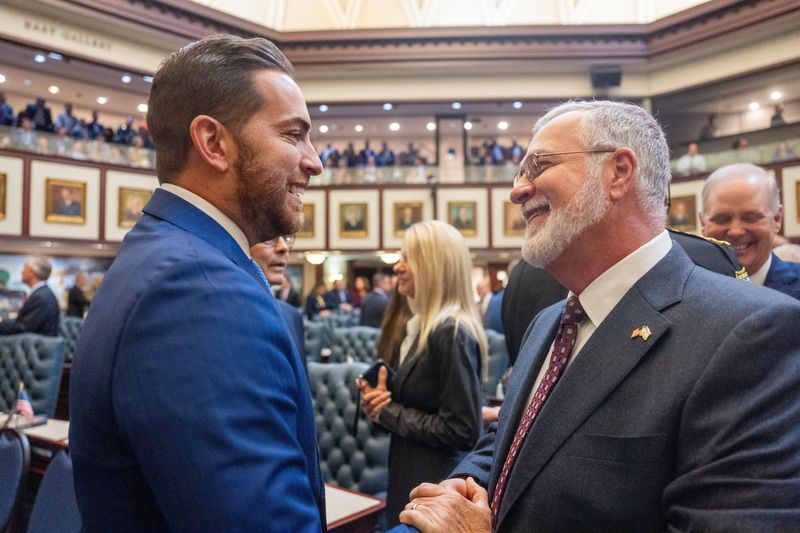
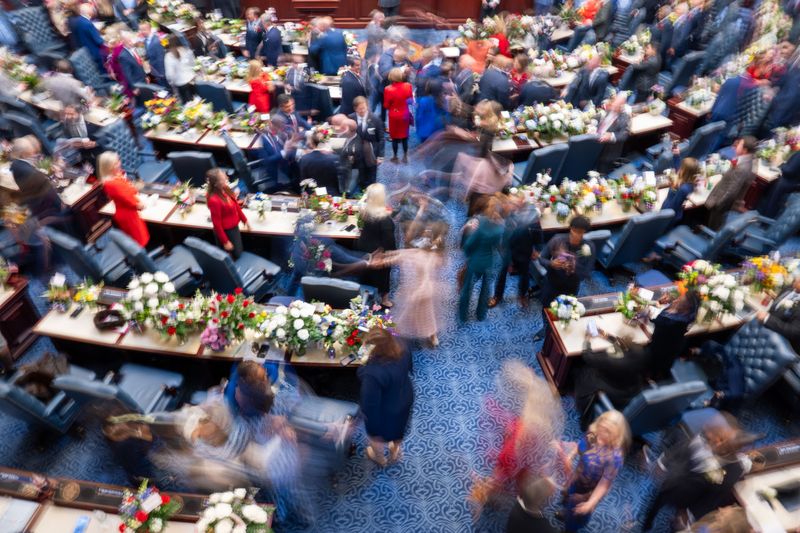
Lawmakers aren’t able to agree on a state budget in time for the scheduled March 13 end of this year’s regular session.
So what’s next?

It’s the second year in a row that lawmakers haven’t passed the only bill they’re required to pass each year, the budget, on time. But conversations about the big pots of money known as allocations are still ongoing, House Speaker Daniel Perez, R-Miami, told reporters after the March 9 floor session.
Still, that’s not the only conversation up in the air.
Lawmakers filed close to 1,900 bills this year, but only 86 have passed both the House and the Senate as of the close of legislative business on March 10.
Here’s what to know looking at the end of legislative session, budget or no:
How will session go into overtime?
When talking to reporters again on March 10, Perez didn’t clarify whether the session would be extended, or whether lawmakers would recess and convene again later on.
He did say they’ll adjourn “whenever the Senate and the House come to an agreement and have done their work and feel like it is completed.”
“It’s a moving target, but eventually we will leave here and we will work on the budget,” Perez said.
Perez also didn’t answer whether lawmakers might try to pass a budget when they come back for a special session on redistricting in late April, which was called by DeSantis. The state’s next fiscal year starts on July 1.
What’s going on with the budget?
The primary holdup has been a “fundamental disagreement” between the two chambers on spending, Perez previously told reporters.
The Florida Senate proposed a $115 billion budget; the House came in at a lower $113.6 billion, a difference of roughly $1.4 billion.
That gap alone, for example, is enough to fund the educational costs for roughly 150,000 public-school students for a year, according to previously released budget information, or pay for the resurfacing of 1,000–2,500 miles of 2‑ to 4‑lane roads.
The deal was supposed to be ready by March 10 to comply with the state’s constitution, which mandates a 72-hour ‘cooling off’ period between the time the budget is published and when lawmakers can vote on it.
Perez told the House lawmakers will gather again after sine die at the end of the week. Sine die is Latin for “without day” and a motion to adjourn sine die is the last action of a session of the Legislature, according to the Senate website.
What happens to bills that haven’t passed both chambers?
Bills that haven’t passed both the House and Senate by the end of Friday have a grim future: Perez told reporters that when lawmakers leave, he “expects everything to die.”
Many measures, some discussed heavily at the beginning of legislative session, fell through the cracks this session as a consequence of tensions between the House and Senate. These include setting artificial intelligence regulations, pushed by the Senate, or sweeping property tax reform, championed by the House.
House Republicans also sought to allow parents to sue for damages for the wrongful death of an unborn child, and to lower the age for purchasing a rifle from 21 to 18 years old. But those have been held up in the Senate.
Additionally, Senate President Ben Albritton’s legislative priority known as Rural Renaissance, increasing funding in rural areas of Florida, passed the Senate on the second day of session, but hasn’t seen the light of day in the House.
Perez has said the House will only be hearing Senate bills that match a House bill already on its calendar. From here out, the House will only consider “returning messages,” bills that passed one chamber and then another, but were changed and have to go back to be OK’d yet again. To become law, identical language must be approved by both.
This reporting content is supported by a partnership with Freedom Forum and Journalism Funding Partners. USA Today Network-Florida First Amendment reporter Stephany Matat is based in Tallahassee, Fla. She can be reached at SMatat@gannett.com. On X: @stephanymatat.
This article originally appeared on Tallahassee Democrat: What to know as Florida’s 2026 legislative session draws to a close
Reporting by Stephany Matat, USA TODAY NETWORK – Florida / Tallahassee Democrat
USA TODAY Network via Reuters Connect