While winning a Tony or Oscar for lifetime achievement is high praise for stage and movie actors, the equivalent in pro baseball is an honor held by a half-dozen men who once regularly suited up in woolen Palm Beach uniforms to compete on a diamond now greened over by The Breakers’ golf course.
That was more than a century ago, when these players forged talented careers that took them from Palm Beach — where they competed on two all-Black hotel teams — to wherever else a segregated nation permitted them to play in the early 20th century.

They’re among just 351 inductees in the National Baseball Hall of Fame, having been tapped as Hall-of-Famers posthumously after Jackie Robinson broke the racial barrier in Major League Baseball in 1947 and became the first Black player inducted into the hall in 1962.
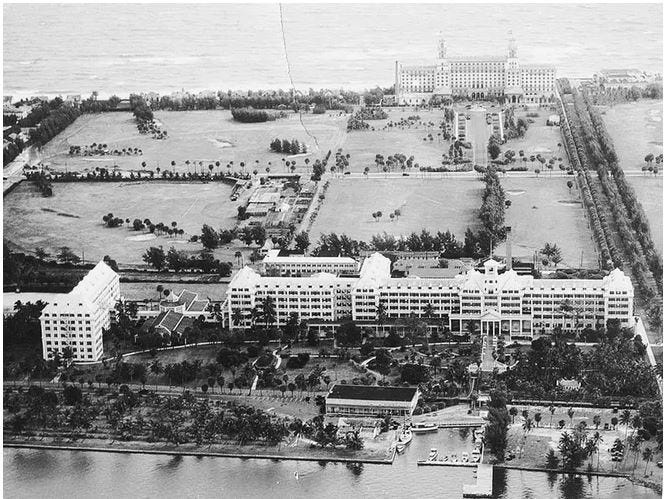
For them, baseball wasn’t just a spring-and-summer sport but also one of winter — the season they played in Palm Beach as part of the Florida Hotel League, also known as the Coconut League. Active through the 1920s, the league centered on teams representing The Breakers and its sister hotel, the Royal Poinciana, a half-mile directly west on the lake.
The lakefront and now-long-gone Royal Poinciana was a mammoth property where the Palm Beach Towers condominium complex is today. Between the two hotels developed in the mid-1890s by Standard Oil partner, railroad magnate and Florida developer Henry Flagler was not only an 1897-founded golf course and tennis courts, but also a baseball field Flagler had built.
Why? At the turn of the 20th century, baseball was widely popular, including among the rich who flocked to Flagler’s hotels. More to the point: Organized activities and diversions were paramount because much of the rest of Palm Beach remained a beautiful but largely undeveloped jungle and swamp — and baseball was a fine choice.
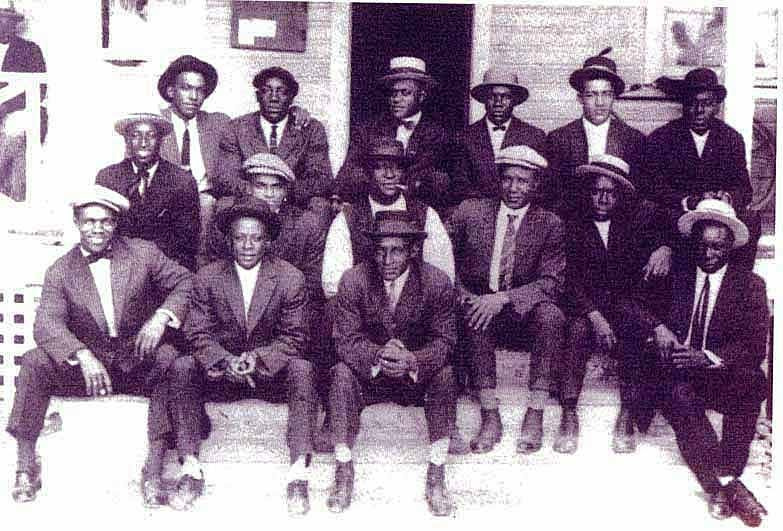
Many of the two hotels’ Black waiters, bellhops, dishwashers and others were hired for their baseball acumen so they could suit up in uniforms emblazed with “Breakers” or “RP” on the jerseys for twice-a-week afternoon games from January through March.
In the grandstands: Vanderbilts, Astors and other affluent hotel guests in their pearls, furs, feathered hats and silk waistcoats as they cheered, jeered and even placed wagers among themselves.
During the early years, after Flagler hired 19th-century baseball great Ed Andrews to run the hotel baseball program, the local press covering the games rarely used players’ names in their reports. But considering the caliber of the players — who starred in other leagues in spring and summer, including what would become known as the famed Negro Leagues — how long could they remain nameless?
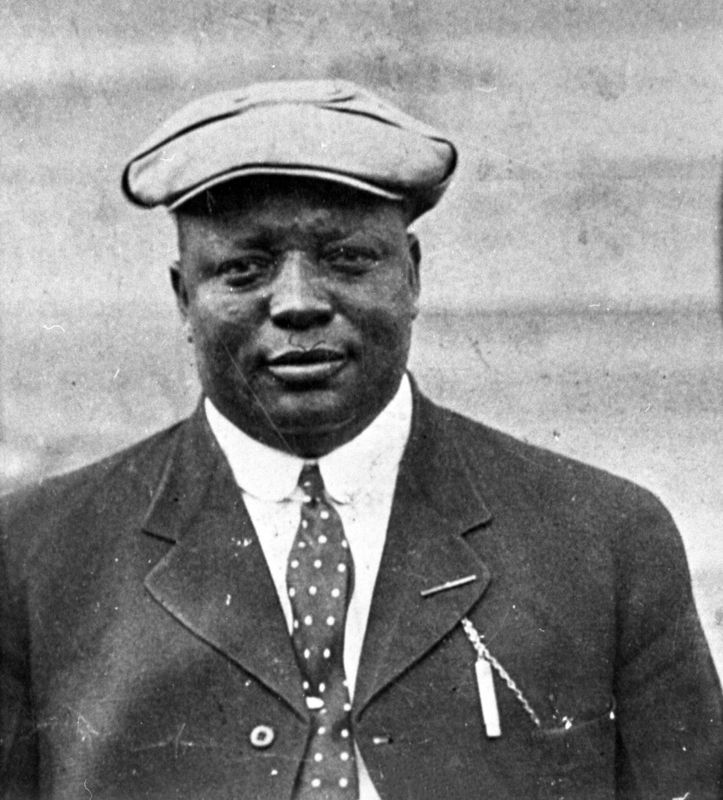
In 1904, the Royal Poinciana team included such players as ace pitcher Rube Foster.
He excelled as both an aggressive-but-disciplined player and manager during his career, and in 1920 played a key role in establishing the first successful pro league for Black players, earning him the venerated title of “the father of Negro League baseball.”
Of the 1904 winter baseball season, the Palm Beach Daily News noted, “There is an unusual interest in the games this winter, with even young women familiar with the star players of each team … ”
Others on the 1904 Royal Poinciana team roster included Sol White, an infielder and slugger praised to this day for having been a tireless chronicler of the pioneering years of Black baseball (in 1907, for instance, his seminal “History of Colored Base Ball” was published); and Pete Hill, an all-around star centerfielder and power hitter.
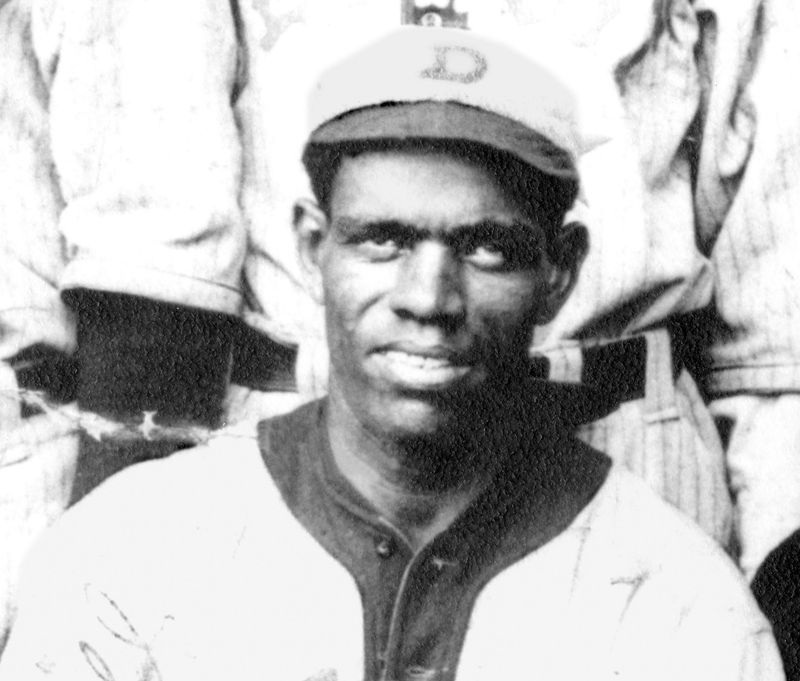
The Breakers’ team had often had been overpowered in seasonal series to the Royal Poinciana team, but the tide turned starting in 1914. The Breakers’ roster then was a dream team led by legendary pitcher “Cyclone Joe” Williams, known for the blinding speed of his fastball. He was 6-foot-4 and 290 pounds and eventually played for a handful of Negro League teams between 1910 and 1932.
“Someone gave me a baseball at an early age and it was my companion for a long time,” Williams has been quoted as saying. “I carried it in my pocket and slept with it under my pillow.”
After Major League Baseball became integrated when Jackie Robinson began playing for the Brooklyn Dodgers in 1947, Williams said, “The important thing is the long fight against the (Black) ban has been lifted. I praise the Lord I’ve lived to see the day.”
Joining Williams on the 1914, 1915 and 1916 “dream team” for The Breakers? Hill, plus shortstop and batter extraordinaire John Henry Lloyd and Louis Santop, a 6-foot-4 power hitter who primarily played catcher and could throw a baseball from home plate clear to center field. All have been named Hall-of-Famers.
The Breakers bested the Royal Poinciana team during the 1914, 1915 and 1916 seasons, which wasn’t easy considering the opposition included pitcher Dizzy Dismukes and outfielder and blink-fast base-stealer Spottswood “Spot” Poles. “The men comprising both teams are all stars” and are playing “ripping good baseball,” the Daily News reported at the time.
Enthusiasm for Palm Beach hotel baseball began to wane in the 1920s and then a devastating 1928 hurricane tore up the Royal Poinciana and left the baseball field and grandstands in shambles. The Royal Poinciana would be razed in phases starting in 1930 and then fully in 1935.
This article originally appeared on Palm Beach Post: The Black baseball players who thrilled 20th-century fans in Palm Beach
Reporting by M.M Cloutier, Special to the Palm Beach Post / Palm Beach Post
USA TODAY Network via Reuters Connect