The El Paso County Commissioners Court unanimously passed a budget Sept. 15, that funds public safety, courts, infrastructure, parks, and other programs and services.

This budget is largely made up of state-mandated spending, which constrains our ability to address local needs. Still, the county was able to address community quality-of-life and other service needs like parks and animal control.
The General Fund budget that was approved is $495.5 million. Of that, almost 60% is public safety and administration of justice. By category, the budget includes:
This year’s process has been one of the toughest we’ve faced. Unfunded state mandates continue to weigh heavily on counties like ours, forcing local taxpayers to carry costs that should not fall on them. In essence, as stated in a viral social media post by a Texas school superintendent: “There is a political movement to pull the teeth of local officials at schools and on city councils and county commissioners courts so that all we have is centralized state leadership.”
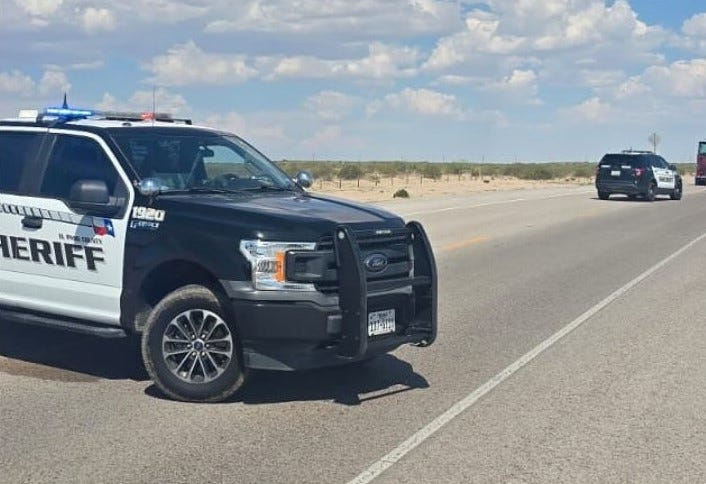
One way the state is doing that is by requiring us to spend money on their priorities, capping our ability to raise local revenue. Over the past four years, the state has charged our local taxpayers about $70 million through a combination of new mandates and the anti-immigrant Operation Lone Star. (OLS)
Operation Lone Star directly cost El Paso taxpayers around $25 million to house state jail prisoners. We also lost millions in revenue because the OLS prisoners filled the jail, leaving no room for federal prisoners that U.S. Marshalls paid the county to hold.
Other state-imposed costs include another immigration-related local cost — a requirement that we enter into agreements to hold federal immigration prisoners for ICE, which is estimated to cost about $1 million for training our officers. Another bill will require people charged with certain crimes to be held in jail with higher or even no bond, which could cost local taxpayers an estimated $12 million.
The state has put a veterans property tax exemption on the ballot in November; this will take about $6 million out of our budget. We support this, but have to account to the reduction in revenue, which is where the Legislature should step in. The state does, in fact, has a fund to fill the gap, but the Legislature did not authorize enough from that fund to plug that local budget hole. We also are required to increase judicial salaries, which will cost about $1 million when fully implemented; again, we support this, but it should be paid for by the state.
All of this is why we approached this budget with caution. We imposed a 5% across-the-board reduction in operations and a hiring freeze, ensuring that limited dollars go first to the services our people most rely on. We also raised the tax rate by three cents. Half of that increase comes from voter-approved bonds to expand services like the Medical Examiner’s office, Animal Control, and our parks — including $30 million in upgrades to Ascarate Park, which I am especially proud to represent. We also strengthened our reserves, so we’re prepared for future emergencies like COVID-19.
I’d rather use our local revenues to address local priorities instead of the state’s immigration enforcement. But even with these pressures, we were able to craft a budget that reflects our values as a court and as a community.
We held extensive hearings and listened directly to our constituents about what services matter most. That’s why this budget continues support for programs like senior nutrition, animal welfare, the Healthy Food Financing Initiative, and investments in libraries and parks, spaces thousands of residents depend on. This budget also funds community services such as senior meals, ensuring El Paso County remains a place of inclusivity and opportunity. In Precinct 2, we continue to develop the Corbin-Sambrano Wellness Center on the former site of the infamous Naked Harem, and we have improvements under development at Ascarate Lake.
We were able to maintain priorities in binational affairs to continue recruiting Mexican business partners, Heritage Tourism development through our Economic Development department for places such as the Mission Trail, and ensure that county employees get fair benefits.
Yes, this budget carries the burden of unfunded mandates. But it also carries forward-thinking initiatives that show how local government can and should work for the people. In a time of division and cruelty, El Paso County continues to chart a different path — one rooted in democracy, fairness, and dignity.
We should feel proud of this budget. It proves again that El Paso County is leading by example, building a stronger and more inclusive future for everyone in our community.
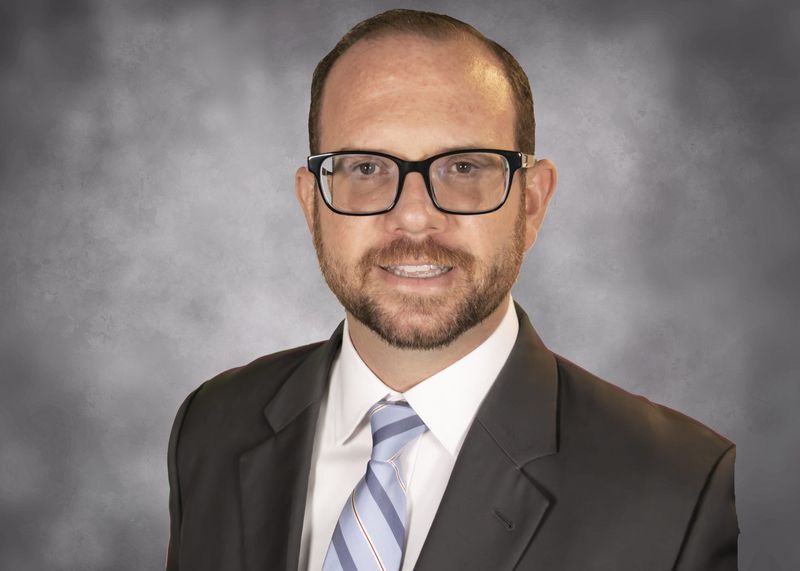
David Stout is County Commissioner for Precinct 2.
This article originally appeared on El Paso Times: OPINION: El Paso County budget largely made up of state-mandated spending
Reporting by David Stout / El Paso Times
USA TODAY Network via Reuters Connect