By Dave Sherwood
HAVANA, April 23 (Reuters) – Cubans this week began to reap the benefits of a recent 100,000 metric ton delivery of Russian oil, a temporary lifeline for the energy-starved nation and the first major shipment of oil to the island since the United States moved to cut off its fuel early this year.

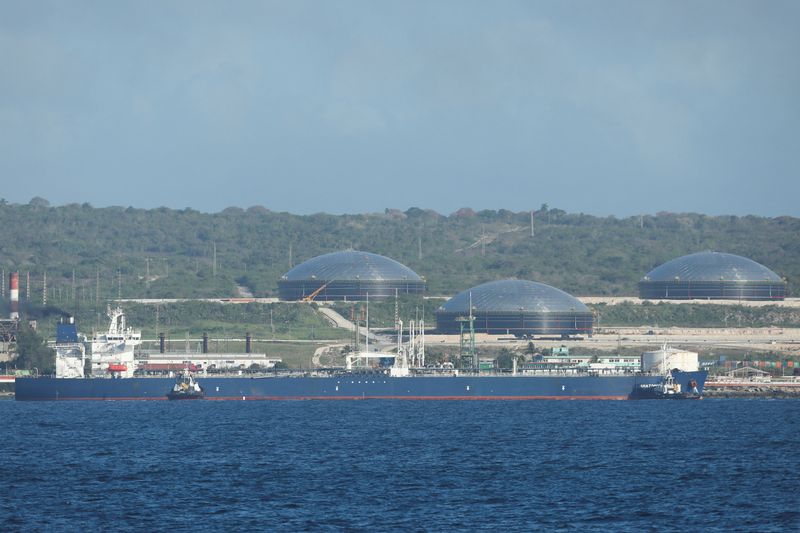
The Russian-flagged Anatoly Kolodkin tanker offloaded some 700,000 barrels of Russian Urals crude in late March at Cuba’s Matanzas Bay, challenging the U.S. blockade. The administration of U.S. President Donald Trump said it allowed the tanker to deliver the oil for “humanitarian” reasons.
The freshly arrived Russian crude, refined into such products as gasoline, diesel and fuel oil, began to trickle out of Cuba’s Cienfuegos refinery on April 17, officials said.
Many Cubans said they began to feel real relief this week as blackouts fell dramatically in some areas following nearly four months of hours-long rolling outages that have left the island’s population of 10 million people exhausted.
Yani Cabrera, a 45-year-old private sector worker who lives in Havana, said she’d noticed a marked improvement in the past week. “Putin’s boat has improved the situation, and we’re thankful for it,” Cabrera said.
Russia’s embassy in Cuba also celebrated the fuel’s arrival with a “Hurray!” on its social media accounts this week, which showed drone video footage of Havana at night, now well lit.
SHORT-LIVED RELIEF
Energy Minister Vicente de la O Levy warned on state-run television late on Wednesday that the relief would be short-lived.
“It’s not going to buy us too much time,” said de la O Levy, who added the country would need eight similarly sized boats each month to meet the country’s generation and industrial needs. “What we’ve got left (of the Russian fuel delivery) is just a few days’ worth, until the end of the month.”
Russia has said it is preparing another delivery of fuel to long-time ally Cuba but has yet to dispatch the shipment.
The temporary respite comes as the island’s communist-run government continues talks with the Trump administration, which has promised “change” is coming soon to Cuba.
The U.S. has long demanded Cuba open its state-run economy, pay reparations for properties expropriated by the government of then-leader Fidel Castro and hold “free and fair” elections. Cuba has said its form of socialist government is not up for negotiation.
The U.S. heaped additional sanctions and pressure on the island early this year, when it halted Venezuelan oil exports to Cuba after toppling Venezuelan President Nicolas Maduro on January 3. Trump later threatened to slap punishing tariffs on any other country that sent crude to Cuba, prompting Mexico, another top supplier, to stop shipments to the island.
The fuel shortage in Cuba contributed to three major, national-level blackouts and prompted many foreign airlines to suspend flights to the island.
“The Russian boat won’t solve our problem, but it has been a relief,” said Ester Isasis, a 70-year-old retiree who lives in Havana. She said a lack of cooking gas meant she still had to cook over charcoal.
“We’re still living very stressed.”
(Reporting by Dave Sherwood; additional reporting by Mario Fuentes, Anett Rios and Ayose Naranjo; Editing by Bill Berkrot)