The Palm Beach Post has a healthcare series called Aging in the Golden Years focused on navigating the financial and physical challenges to emerge as more people reach advanced age and, along with their children, confront a reality for which they will need help preparing. We want to hear what questions you have as you and your loved ones enter new territory. Email Post reporter Anne Geggis your questions at ageggis@usatodayco.com.
In Florida, the land of the eternally blinking turn signal, what’s at stake in keeping the brain sharp couldn’t be more apparent.

So, you might have caught the recent headline that a study found drinking two or three cups of full octane (not decaf) coffee daily is linked to better brain health and reduced dementia risk. (I should be Einstein by now, some of you may be thinking.)
Also, in what you might consider even better news, chocolate consumption, especially the darker kind, is associated with boosting brainpower. (I should be ready for my Mensa membership.) And, drinking five glasses of wine a week also enjoyed an association with lower dementia risk, but that’s gone down the drain in more recent research that says no amount of alcohol intake is safe for your brain.
Seriously, though, everywhere you look, it seems like the hunt is on for ways to preserve your gray matter — especially if the algorithms detect you’re over 50.
More than that pop-up advertisement about a new supplement, or the latest headline about how a certain food or drink can help, it turns out tips for avoiding dementia are also the same health habits you’ll start on Monday, or maybe the Monday after.
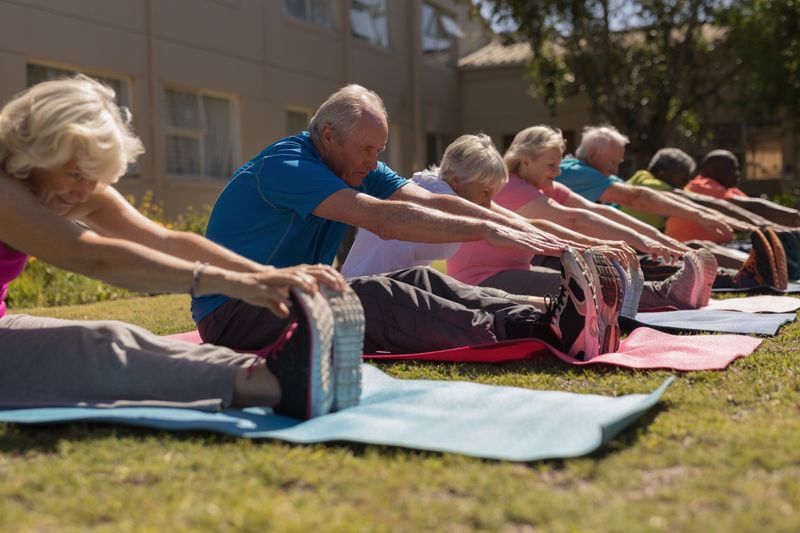
A healthy diet (fruits, vegetables, lean meats and seafood), regular exercise (at least 150 minutes a week of moderate-intensity activity), staying mentally active and connected socially, no smoking, less alcohol, avoiding injuries with seatbelts and helmets, getting good sleep and managing chronic conditions like diabetes and high blood pressure are all ways doctors say improve brain health.
That advice is becoming more urgent.
New dementia cases diagnosed doubling annually
The 500,000 new dementia cases that were diagnosed in 2021 are expected to double to 1 million new cases by 2060, according to National Institutes of Health research. It’s a reflection of how the number of people older than 80 constitute the nation’s fastest-growing segment of the population.
It turns out that medical science’s success at staving off death from heart disease or cancer has made it more likely you or your loved ones are likely to hear the dementia diagnosis. More birthdays are the biggest risk factor for it, doctors agree.
It’s becoming a public health issue.
“There’s a statistic that 30% of folks over the age of 85 have some sort of dementia, whether that’s mild to moderate to severe,” said Dr. Mitesh Patel, a board-certified neurologist at Prime Neurology, a practice in Palm Beach Gardens.
“We’re going to see problems with caregiver burden,” Patel predicted. “We’re going to see problems with our resources. We’re already starting to see it in our neurology clinics.”
It’s gotten so that a fellow neurologist colleague stopped taking insurance and only accepts private pay patients, Patel said.
“Even with that, he has an entirely full clinic,” Patel said.
Neurologists agree: It’s never too early to start trying to avoid — or at least forestall — losing the skills that keep you living independently and using your turn signals appropriately.
Here are nine questions you might have about the best practices for guarding your brain health:
1. What age does dementia usually start?
The risk of dementia rises as you age, especially after age 65.
2. Is there a cure for dementia?
There is not currently a cure for most types of dementia.
“It’s a whole area that is fascinating, but so far has not panned out,” said Dr. Clifton Gooch, a professor and chair of the University of South Florida Neurology Department.
“There was a time of what we thought was great promise in the early 2000s around stem cell therapy and nerve growth factor therapy. We did many studies. Unfortunately, none of that has yet panned out, although I am convinced eventually, someday, we will develop the technology to regrow damaged nerves and that will be a great boon when it comes, but it’s going to take longer, I’m afraid, than we thought.”
3. Do over-the-counter medications help with dementia?
Supplements that have jellyfish-derived ingredients, Vitamin B-complex, Vitamin D, Omega-3 fatty acids, magnesium, and L-theanine are all being marketed for their brain-boosting power.
Some of them might help patients get the nutrients they might be missing, because of their poor diets, Palm Beach Gardens Patel said. But the research appears inconclusive, he said.
“There’s no large studies that have sort of shown any significant benefit, and that’s why a lot of them are regarded as not super helpful,” Patel said.
4. Are there prescriptions that slow dementia?
Anti-amyloid therapies — drugs that clear the erroneous proteins that disrupt brain functions — debuted in 2023. For patients with mild cognitive impairment, they slow the degradation to the brain that Alzheimer’s causes, according to an announcement from the Food and Drug Administration.
The brand names are Leqembi and Kisunla and they are given via intravenous infusion at clinic or hospital settings. The side effects require ongoing monitoring, including regular MRIs to check for swelling or bleeding in the brain.
“You have to very, very carefully screen these patients,” Patel said.
5. Are there foods that decrease dementia risk?
Omega-3 fatty acids like the kind found in salmon have gotten some attention for slowing brain aging as have flavonoids found in caffeine and chocolate.
In general, the latest research extols what’s called the MIND eating plan that combines aspects of a Mediterranean diet, and diets designed to lower high blood pressure. It involves eating leafy green vegetables at least six times a week, other vegetables at least once a day, berries, whole grains, fish, poultry, beans, nuts and extra virgin oil.
It also points to five types of food to avoid: red meat, pastries and sweets, cheese, butter/margarine and food that’s from a fast-food restaurant or fried.
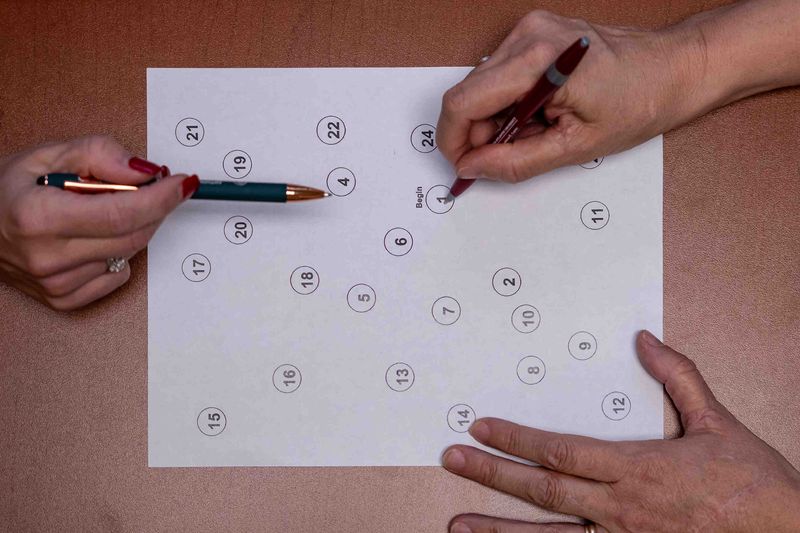
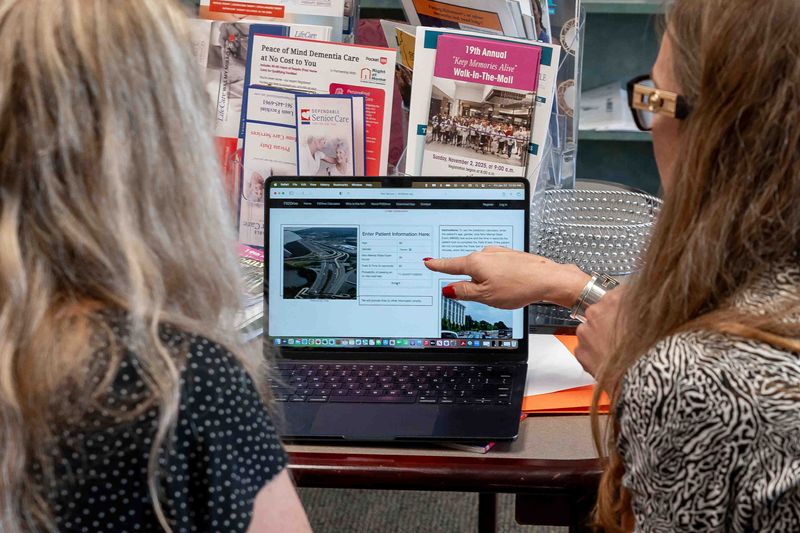
6. Are there really computer apps that train my brain to improve brain health?
Yes, if it involves training in memory, reasoning and speed of processing, according to research findings that involved University of Florida faculty, published in the Feb. 9 journal Alzheimer’s & Dementia: Translational Research and Clinical Interventions.
Computer-based speed training was the most durable with participants 25% less likely to be diagnosed with dementia over the next two decades, according to a University of Florida news release. Researchers say it’s one of the first results from a large, randomized and controlled trial to demonstrate that brain games and other factors can lower the incidence of Alzheimer’s disease and related dementias.
The speed training requires participants to process visual information on a computer screen and make quick decisions. In the study, as participants’ speed and accuracy improved, the training got progressively more difficult. The speed training used in the study is now available through the company BrainHQ, according to the UF news release.
7. What are the early-warning signs of dementia?
Poor judgment and decision-making, inability to manage a budget, losing track of the date or season, difficulty having a conversation and misplacing things and being unable to retrace steps to find them are all signs that someone might be in the throes of dementia and not just typical age-related changes.
Patel, in Palm Beach Gardens, urges patients to get to the doctor sooner rather than later.
“In those moderate to severe stages (of dementia), we’re really limited in what we can do,” Patel said.
8. Is cognitive decline genetic and unavoidable?
Sometimes, says Gooch, who is also an associate dean of clinical research of clinical research at USF’s Morsani College of Medicine and served as a board member for the ALS Foundation, which helps with funding research. But the kinds of dementia that’s encoded in the genes are rarer and associated with the types that starts in younger people.
Right now, a major study of one of these neurodegenerative diseases, Parkinson’s, is focused on untangling what environmental factors might be causing it. Another kind of dementia-inducing illness, ALS, also known as amyotrophic lateral sclerosis, or Lou Gehrig’s Disease, has occurred in clusters, Gooch said.
9. What risk factors are linked to dementia?
Sitting for more than 10 hours a day, or a lack of physical activity, is the first thing the Centers for Disease Control points out as a risk for dementia. Also making the list: uncontrolled diabetes, high blood pressure, hearing loss and smoking tobacco and drinking alcohol.
The Palm Beach Post series, Aging in the Golden Years, focuses on navigating the financial and physical challenges that arise as more people reach advanced age. Thanks to our partner and fiscal sponsor, Journalism Funding Partners, verified 501(c)3 nonprofit organization, tax ID #84-2968843, you can invest in the future of this reporting on the healthcare issues that matter most to Floridians. Make your tax-deductible donation today and support local journalism that serves the Palm Beach community.
Donate today to support our healthcare coverage
Anne Geggis is statewide reporter for the USA TODAY NETWORK FLORIDA, reporting on health and senior issues. If you have news tips, please send them to ageggis@usatodayco.com. You can get all of Florida’s best content directly in your inbox each weekday by signing up for the free newsletter, Florida TODAY, at https://palmbeachpost.com/newsletters.
This article originally appeared on Palm Beach Post: As Florida ages, 9 questions you may have about how to avoid dementia
Reporting by Anne Geggis, USA TODAY NETWORK – Florida / Palm Beach Post
USA TODAY Network via Reuters Connect