

The University of Michigan’s chosen location for its “high performance computing facility” in Ypsilanti Township has sparked outrage from critics, who promised a fight and said the local community’s concerns were steamrolled for the university to move forward with its plans.
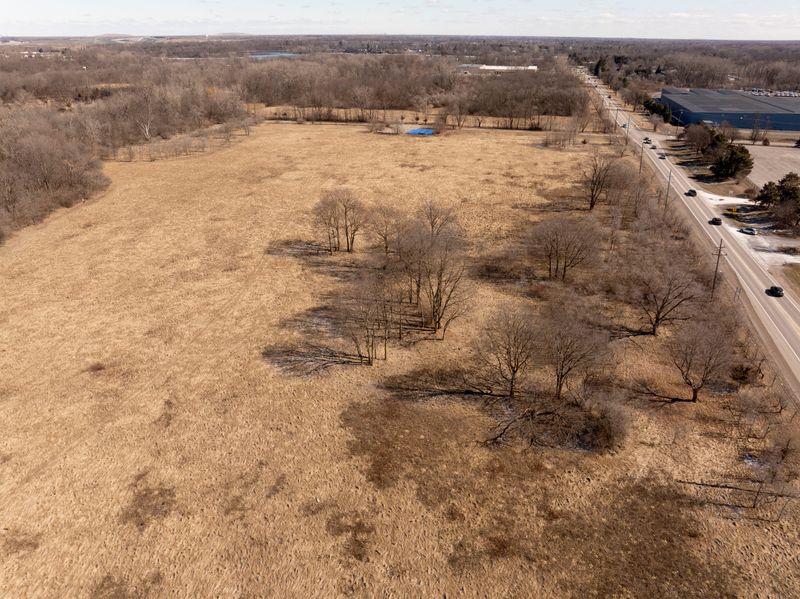
After months of deliberating, the university announced on Tuesday it would move forward with construction on 144 acres of natural land zoned for light industrial use between Textile and Bridge roads. The land borders the Huron River and two township parks.

Steven Ceccio, a UM professor of mechanical engineering and lead on the project, said the university believed wholeheartedly in the project’s benefit to the public good in terms of new research that could improve medicine, health care and the environment. It will also bring a community of experts to southeast Michigan and boost the local economy, he said.
While the university maintains the site is not a data center, local officials and residents said it will have the same impacts as any other large development. Concerns about the destruction of natural land, potential harm to residents and a lack of transparency have plagued the project since the potential sites in Ypsilanti Township were announced to the public.
Township Attorney Doug Winters told The Detroit News the township planned to fight the project and was not going to “roll over” for the university.
“We’re going to do what we always intended to do,” Winters said. “We’ll use environmental protection act safeguards to protect the natural areas and the Huron River. I think we’ll end up being successful. I think we have a case.”
Winters also raised concerns about the residents who live adjacent to the site. Most of the nearby residences are mobile homes or apartments, and he said he believed there was a case for environmental racism considering the racial and economic makeup of the surrounding community.
State and federal lawmakers have also weighed in. State Rep. Jimmie Wilson Jr., D-Ypsilanti, said he and the community were “jaded” by the university’s lack of communication regarding the project.
“They really need to start from the beginning on community engagement,” Wilson said.
Regent said he was ‘floored’
Regent Paul Brown, who’s running on the Democratic ticket for reelection this year, said he was extremely frustrated by the way the university’s administration had gone about choosing the site. He indicated the regents had been misled by other university officials when the Textile Road site was initially presented.
“The first we were told about a location was about a year ago when Textile Road was mentioned,” Brown said. “It was told to us that there was ‘broad community support.’ … We had no idea there was opposition until there were protests at regents meetings.”
Brown said he and the other regents were under the impression the Textile Road site was being abandoned for a co-lease at Willow Run Airport at the American Center for Mobility site. The Willow Run site was already used for industrial purposes, and Brown said he thought the university cleaning up a brownfield site would be beneficial for the environment, even if it cost more money and took longer.
But in the end, it appeared the lower cost of land, along with not having to clean up a potentially polluted site and convenient access to power, won out.
“At the July meetings (in Traverse City), President Domenico Grasso said the university was moving forward with the Textile Road site, and I was totally floored,” Brown said. “I asked about community engagement and support and if anything more had been done, and it didn’t sound like there was much movement on that.
“You have to go sit in the living rooms of the people who live there and talk to them and answer their questions and concerns,” Brown continued.
Does data facility provide a benefit to community?
For critics of the project, it’s hard to get behind the university’s message of building the facility for the “public good.”
Wilson and Winters both said the university hadn’t been transparent from the start and neither believed community members would accept the project being “forced” on them.
“(The university) has left a lot of information out. They didn’t consider what residents wanted and are now forcing it upon people who don’t want it,” Wilson said. “It’s disappointing for an institution like this.”
Winters said that if there was such a benefit to a local community in terms of jobs and economic impact, more communities should be clamoring for the chance to host the site.
“The entire community is galvanized, the entire state is against these,” he said. “Nobody is asking for the Los Alamos facility.”
The Michigan Constitution designates public universities as tax-exempt, although the state provides community tax dollars to the institutions as yearly appropriations in the state budget. The fact that the university will pay no taxes on the land in the township, and therefore not benefit the community in that way, is another concern for lawmakers.
“I have repeatedly urged the University to listen to the impacted community, be transparent, and answer basic questions about the impact of this project,” U.S. Rep Debbie Dingell said in a Tuesday statement. “Instead, they have rebuffed these concerns and are ignoring the pleas from residents that do not want this. To make matters worse, Ypsilanti Township would see little benefit from an institution that pays no property taxes.”
The university is planning to hold a third public town hall on Sept. 9 at the Ann Arbor Marriott Ypsilanti at Eagle Crest, located at 1275 S Huron St, Ypsilanti, MI 48197. The university said more details would be released soon.
satwood@detroitnews.com
This article originally appeared on The Detroit News: UM ‘computing facility’ location gets pushback from township, lawmakers
Reporting by Sarah Atwood, The Detroit News / The Detroit News
USA TODAY Network via Reuters Connect
By Sarah Atwood, The Detroit News | USA TODAY Network
