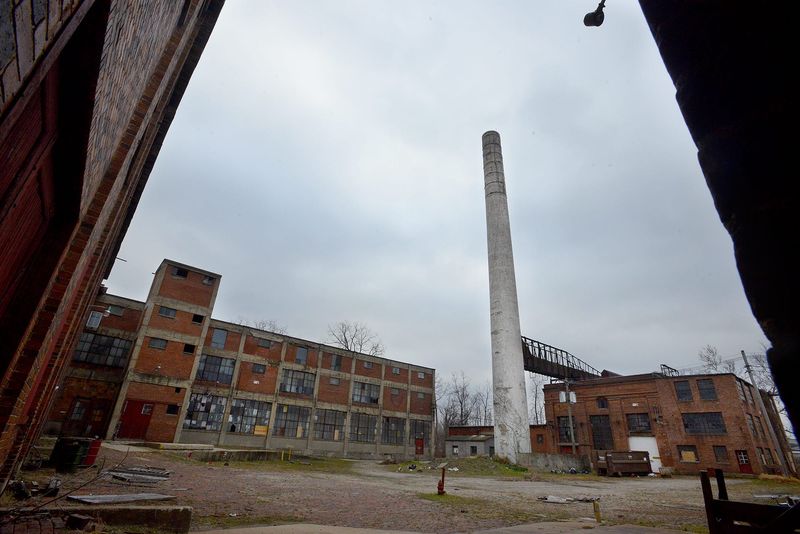
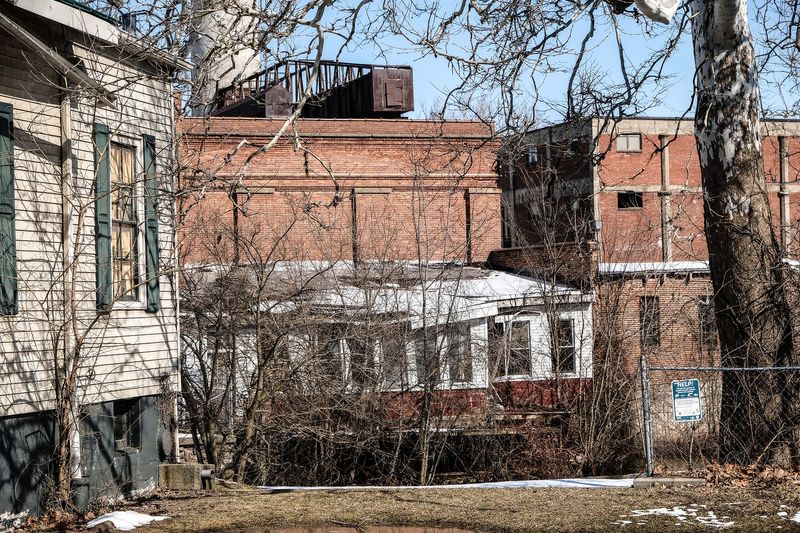
EATON RAPIDS — The Eaton County Land Bank has taken ownership of the blighted, historic former Horner Woolen Mill more than a year and a half after the owner of the property at M-99 and Main Street submitted a proposal to make the transfer.

The county agency acquired the 7-acre site at 224 N. Main St. on Oct. 31, according to a news release from the county.
Eaton Rapids city officials have been pushing the property’s former owners, Utah-based Mill Street LLC, to address the worsening blight on the land for several years. The vacant buildings at the site have been crumbling for decades. The property has been considered an eyesore and, at times, a danger by city officials, but despite city directives to make the property safe, Mill Street LLC never did.
Eaton Rapids officials filed a lawsuit against the company in January 2024 because it failed to demolish the buildings by an agreed-upon deadline.
The city dropped the lawsuit on the condition that Mill Street LLC deed the property over to the Land Bank, Eaton Rapids Mayor Pamela Colestock said on Tuesday. As part of the settlement, the Utah company also was required to pay “a couple thousand dollars” in city fines and back taxes owed, she said.
Transferring the property to the Land Bank is the next step in cleaning it up, Colestock said.
“Just having the demo and the cleanup of it done is really a priority,” she said. “We’re just really happy that we’ve got a partner that we can work with, people that we can talk to and meet with to help bring about the funding that’s going to be needed. It’s pretty substantial.”
Officials have said the demolition of buildings on the site, cleanup and remediation of the property is expected to cost more than $3 million. County officials plan to pursue funding for that effort now that they own it, according to the release.
“This purchase marks a new beginning for one of Eaton Rapids’ most storied sites,” said Dairus Reynnet, Eaton County treasurer and chair of the Eaton County Land Bank Authority. “Local control means we can finally take charge of the property’s future, ensuring decisions are made in the best interest of the community.”
Horner Woolen Mills operated at 224 N. Main St. from about 1880 to the mid-1950s. A flour mill operated on the site as early as 1837, but was purchased by businessman Samuel Horner in 1880. The company later supplied wool for blankets and uniforms during World War I and World War II.
Contact Reporter Rachel Greco at rgreco@lsj.com. Follow her on X @GrecoatLSJ .
This article originally appeared on Lansing State Journal: Eaton County Land Bank acquires historic site. What’s happening with Horner Mill
Reporting by Rachel Greco, Lansing State Journal / Lansing State Journal
USA TODAY Network via Reuters Connect