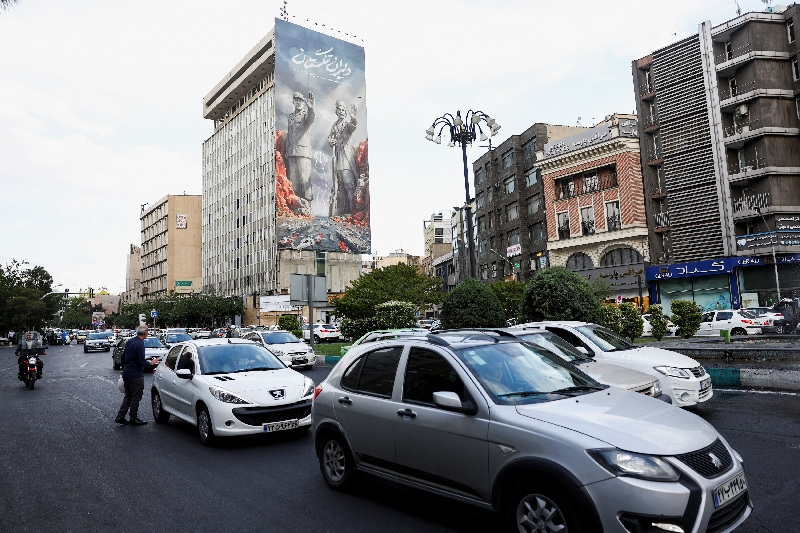
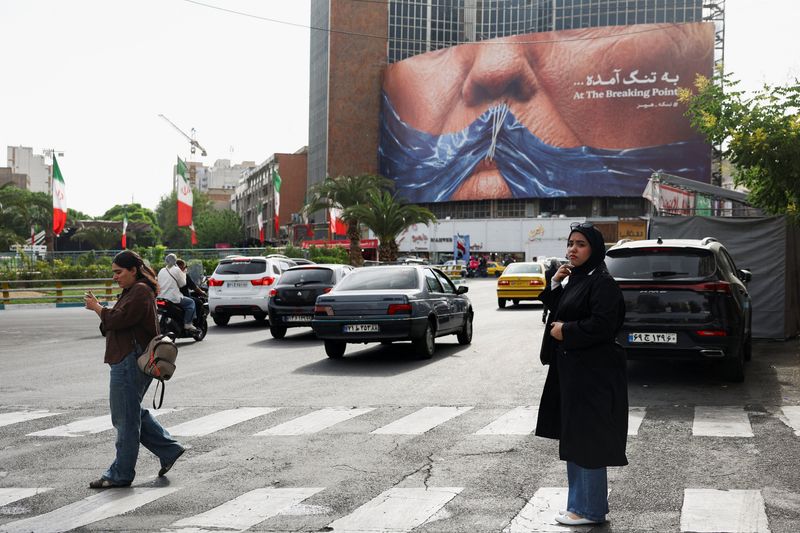
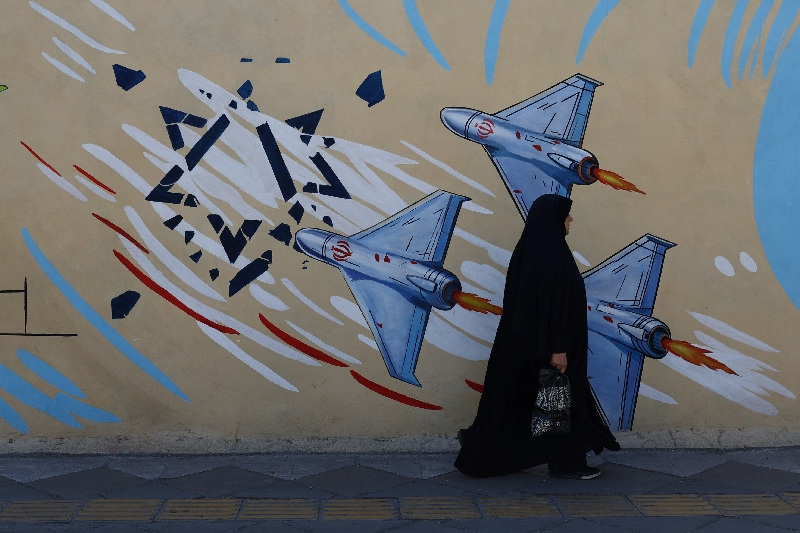
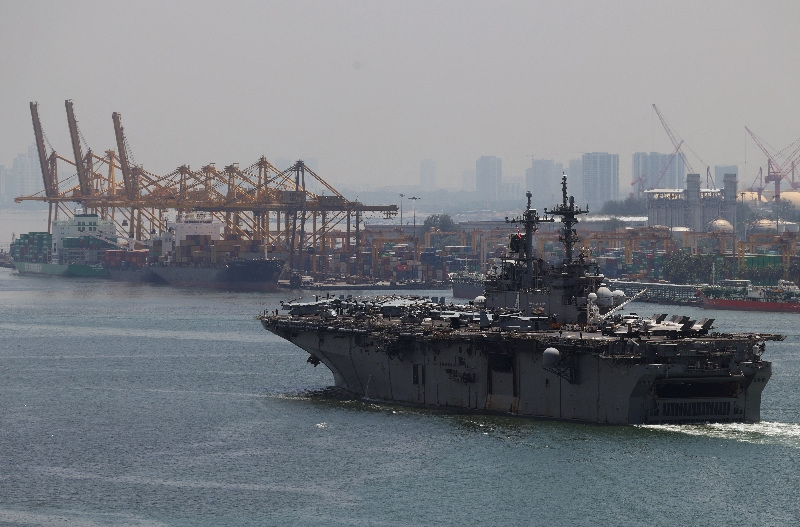
DUBAI, May 19 (Reuters) – Tehran’s latest peace proposal to the United States involves ending hostilities on all fronts including Lebanon, the exit of U.S. forces from areas close to Iran, and reparations for destruction caused by the U.S.-Israeli war, state media reported on Tuesday.
In Tehran’s first comments on the proposal, Deputy Foreign Minister Kazem Gharibabadi said Tehran also sought the lifting of sanctions, the release of frozen funds and an end to the U.S. marine blockade on the country, according to IRNA news agency.

The terms as described in the Iranian reports appeared little changed from Iran’s previous offer, which U.S. President Donald Trump rejected last week as “garbage”.
Trump said on Monday he had paused a planned resumption of attacks on Iran after Tehran sent a new peace proposal to Washington, and that there was now a “very good chance” of reaching a deal limiting Iran’s nuclear programme.
Reuters could not determine whether preparations had been made for strikes that would mark a renewal of the war Trump started in late February.
Under pressure to reach an accord that would reopen the Strait of Hormuz – a key supply route for global supplies of oil and other commodities – Trump has previously expressed hope that a deal was close on ending the conflict, and similarly threatened heavy strikes on Iran if Tehran did not reach a deal.
In a social media post, Trump said the leaders of Qatar, Saudi Arabia and the United Arab Emirates had requested that he hold off on the attack because “a Deal will be made, which will be very acceptable to the United States of America, as well as all Countries in the Middle East, and beyond.”
Speaking to reporters later on Monday, he said the United States would be satisfied if it could reach an agreement with Iran that prevented Tehran from obtaining a nuclear weapon.
“There seems to be a very good chance that they can work something out. If we can do that without bombing the hell out of them, I would be very happy,” Trump told reporters.
A Pakistani source confirmed that Islamabad, which has conveyed messages between the sides since hosting the only round of peace talks last month, had shared the Iranian proposal with Washington.
The sides “keep changing their goalposts,” the Pakistani source said, adding: “We don’t have much time.”
MIXED SIGNALS
Although neither side has publicly disclosed any concessions in negotiations that have been stalled for a month, a senior Iranian official suggested on Monday that Washington may be softening some of its demands.
The source said the U.S. had agreed to release a quarter of Iran’s frozen funds – totaling tens of billions of dollars – held in foreign banks. Iran wants all the assets released.
And the source said Washington had shown more flexibility in agreeing to let Iran continue some peaceful nuclear activity under supervision of the International Atomic Energy Agency.
The U.S. has not confirmed that it has agreed to anything in the talks.
A U.S. official, speaking on condition of anonymity, denied a report by Iran’s Tasnim news agency that Washington had agreed to waive oil sanctions on Iran while negotiations were under way.
The U.S.-Israeli bombing killed thousands of people in Iran before it was suspended in a ceasefire in early April. Israel has killed thousands more and driven hundreds of thousands from their homes in Lebanon, which it invaded in pursuit of the Iran-backed Hezbollah militia. Iranian strikes on Israel and neighbouring Gulf states have killed dozens of people.
The Iran ceasefire has mostly held, although drones have lately been launched from Iraq towards Gulf countries, including Saudi Arabia and Kuwait, apparently by Iran and its allies.
Trump and Israeli Prime Minister Benjamin Netanyahu said they launched the war to curb Iran’s support for regional militias, dismantle its nuclear programme, destroy its missile capabilities, and create conditions for Iranians to topple their rulers.
But the war has yet to deprive Iran of its stockpile of near-weapons-grade enriched uranium or its ability to threaten neighbours with missiles, drones and proxy militias.
The Islamic Republic’s clerical leadership, which had faced a mass uprising at the start of the year, withstood the superpower onslaught with no sign of organised opposition.
(Reporting by Reuters bureaux; Writing by Stephen Coates; Editing by Peter Graff)