SINGAPORE, May 8 (Reuters) – Oil rose and U.S. stock futures slipped in early trade on Friday, after the United States and Iran exchanged fire and put a month-long Middle East ceasefire in doubt.
U.S. crude futures, which are lower for the week, jumped more than 2% from Thursday’s close to $96.8 a barrel.

S&P 500 futures slipped about 0.2% and Nikkei futures pointed to a slightly lower open for Japanese shares, which soared to record highs on Thursday. [.T]
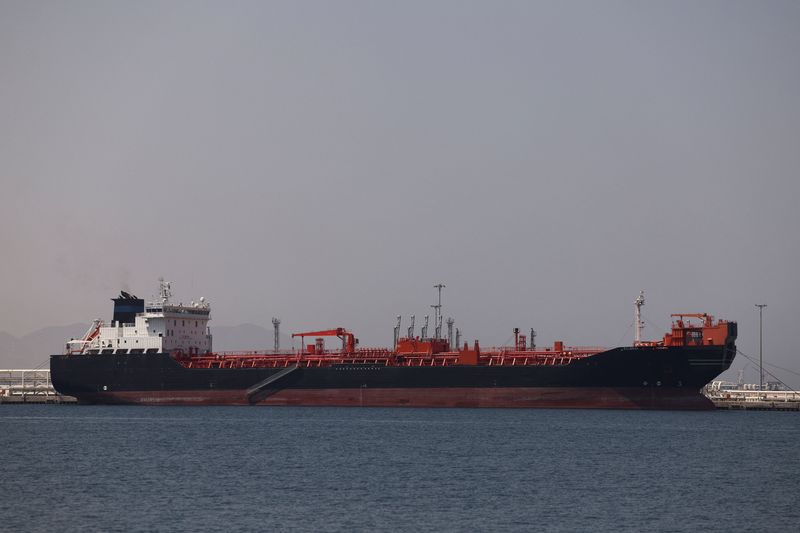
Iran’s top joint military command said the U.S. targeted an Iranian oil tanker and another ship entering the Strait of Hormuz.
The U.S. military said it acted in self-defence after Iran attacked Navy destroyers that were passing through the strait. It said Iran did not hit any U.S. assets in the attack and U.S. President Donald Trump told ABC News that the ceasefire with Iran remained in place.
The strikes occurred while Washington awaited Iran’s response to a U.S. proposal that would halt fighting but leave the most contentious issues, such as Iran’s nuclear programme, unresolved for now.
In foreign exchange markets, the rising tension lifted the dollar off its recent lows and set it on course to finish the week mostly steady.
The yen has struggled to strengthen past 155 to the dollar, despite data suggesting that authorities in Tokyo may have sold as much as $67 billion in defence of the currency this week and last.
The yen last traded at 156.88 per dollar and the euro at $1.1726. U.S. Treasury Secretary Scott Bessent is due to visit Tokyo next week and markets will be on alert for any comments he might make on the yen or Japan’s monetary policy, given his past remarks in favour of speedier Japanese rate hikes.
Investors await the U.S. non-farm payrolls report on Friday, with jobs expected to have increased in April by 62,000 after rebounding 178,000 in March, a Reuters survey of economists shows.
(Reporting by Tom Westbrook; Editing by Edmund Klamann)