As an agriculturalist, outdoor enthusiast and biologist, my curiosity and anticipation are always stirred by changing seasons.
Perhaps it’s a sign of advancing years, but I’ve noticed that I’m becoming less fond of winter — with certain exceptions, of course — and more enthusiastic regarding the approach of spring. I know that so-called “Old Timers” were alert to seasonal progressions and looked for indications that seasons and weather were changing.

Indeed, agriculture and many other endeavors’ successes or failures depended upon seasonal awareness long before advent of modern, weather predicting technologies and models.
Almost every outdoor loving individual has animals and plants that remind them of specific seasons and annual periods. Compiling a comprehensive list of such indicator species, if you will allow me use of this term, would become an impossible task. And someone’s favorite seasonal indicators would surely be omitted even though unintentionally.
Therefore, to sneak a line from an old Rogers and Hammerstein song, famously performed by Dame Julie Andrews in “The Sound of Music,” let me speak of “a few of my favorite things” that indicate spring is approaching or has sprung upon us!
Birds first
Birders, botanists and other outdoor folks tend to be on the lookout for seasonal changes, and their subjects of interest often are good seasonal indicators.
Regarding seasonal changes from winter to spring, I usually focus first upon birds such as Canada geese and sandhill cranes. These large, migratory birds usually depart our region en masse for locations north by late winter and the very beginning of spring.
Waterfowl, such as grebes, mergansers, the bufflehead and northern pintail, teals, scaups and other avians spend part of the winter season in our area and migrate away during early-to-middle spring, thus, indicating winter’s end.
First wildflowers
Native plants are also good indicators of winter-spring transitions. A few plants I observe throughout this time period include perennial yarrow and thistles.
Most of the stem systems of these plants die off by or before the end of fall; however, individual plants persist throughout winter and can be observed as ground-hugging, circular leaf whorls, technically referred to as basal rosettes.
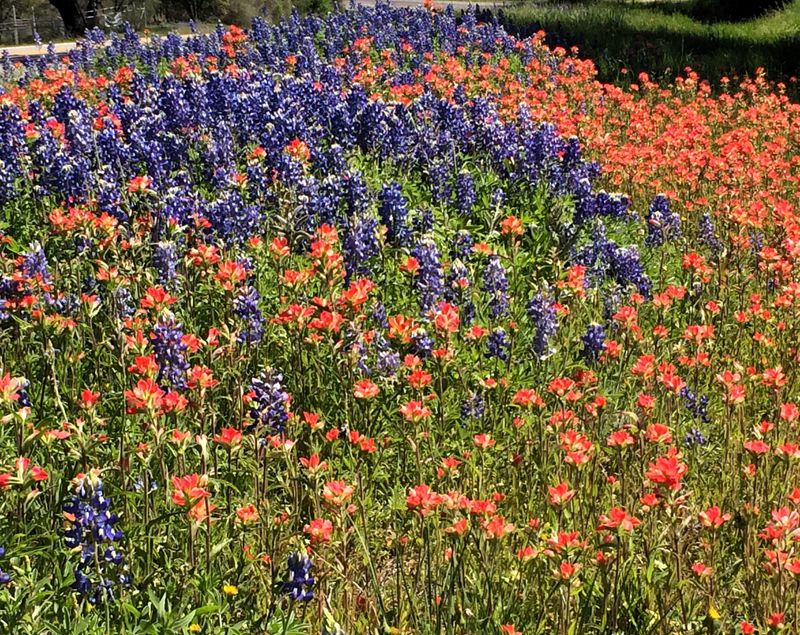
As soil and ambient temperatures begin to moderate and increase during early spring, yarrow and thistle plants produce additional leaves, and their stems renew upright growth. Some of the earliest wildflowers appearing as winter ends include wild onions, evening primroses, henbit, bluebonnets and Indian paintbrush.
I’m biased toward observing winter wheat plants as indicators of seasonal change because hard, red, winter wheat was my family’s primary cash crop. We sowed wheat in the fall, and the plants would germinate and produce tillers, which are additional, basal leaves, during winter.
As winter ended and spring approached, the winter wheat began its jointing stage and produced an upright, jointed stem and additional leaves. During early spring months the wheat plants underwent a “boot” stage wherein the seed head began developing within a leaf-like sheath known as the flag leaf.
The seed head grew past its sheath and became visible during later spring. Then the wheat flowered and formed grains through a “doe” stage. I love the flowering and doe growth stages because, most of the time, the wheat fields are a deep, verdant green that, at least for me, have been symbolizing spring.
Approximately when winter wheat is entering its jointing and boot stages, most of our native, wild plum shrubs and domesticated fruit trees begin flowering and producing leaves. Their attractive lavender, pink, and white flowers also are signs of approaching spring.
Best spring indicators in the plant world
However, these shrubs and trees sometimes flower too soon, and late winter or early spring freezing temperatures cause flowers and early leaves to drop before most pollinating insects emerge from winter dormancy!
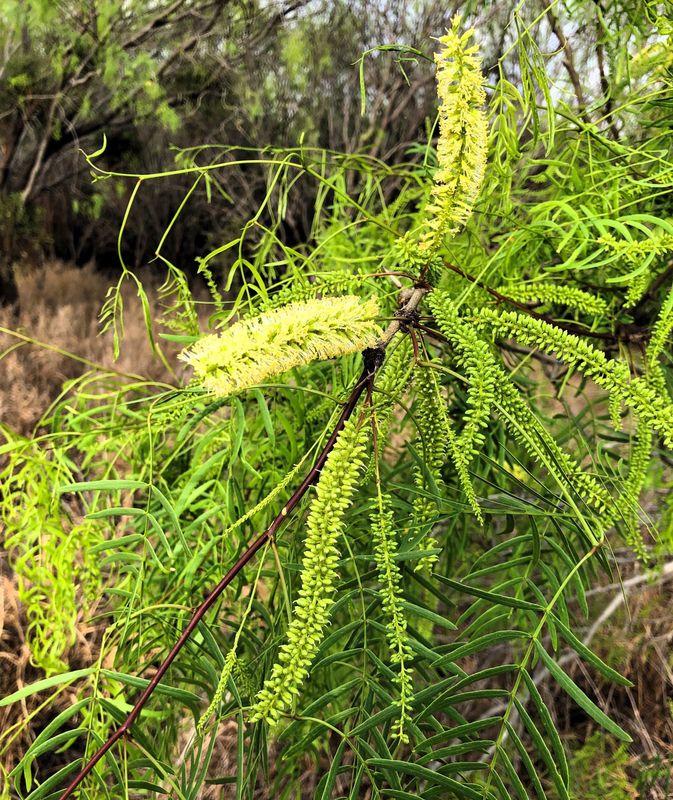
Native trees I trust as excellent indicators of winter’s end are honey mesquites. Mesquite trees are rarely deceived by brief, late winter warmups, and you can be almost certain that spring has arrived when mesquites begin leafing out.
A domesticated crape myrtle plant in my front yard is an even more cautious spring indicator than mesquites and produces leaves and flowers later than nearby honey mesquite trees.
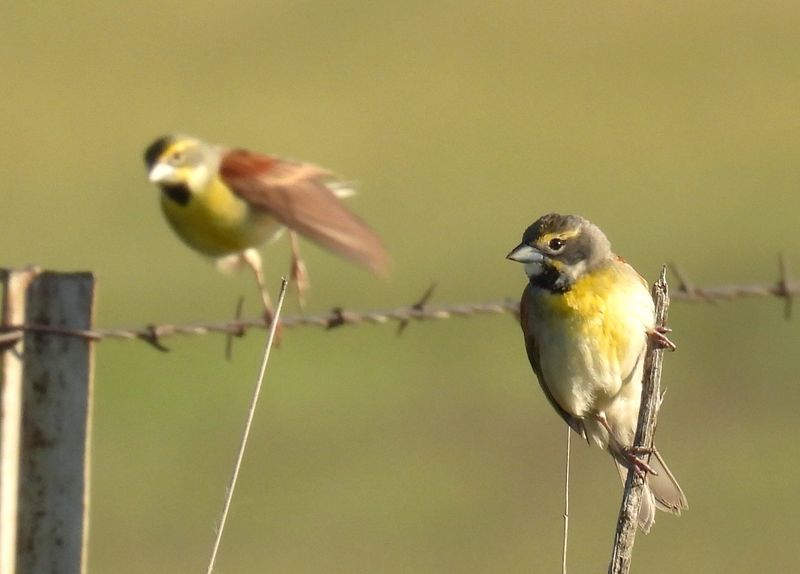
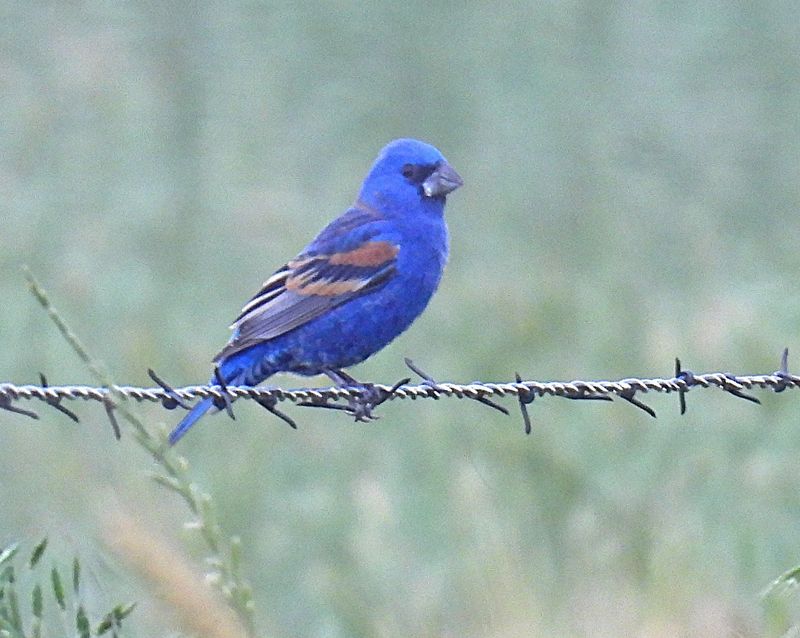
Many songbirds and hawks return to our area during spring. Among these spring-time arrivals are Mississippi kites, swallows, purple martins, kingbirds and other flycatchers, orioles, phoebes, blue grosbeaks, painted buntings, dickcissels and many others.
Renewal and hope
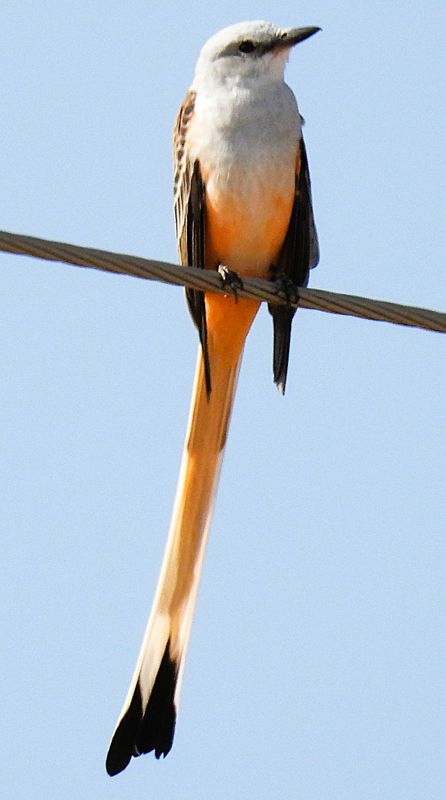
My favorites are the scissor-tailed flycatchers. I begin searching for returning scissor-tailed flycatchers in late March, and these colorful, gregarious birds have rarely disappointed me in their springtime arrivals — usually close to April Fool’s Day and Easter season.
The scissor-tailed’s active, distinctive flight, colorful feathers, long, forked tails and busy, chattering calls and songs have delighted me for years. An additional bonus has been nesting pairs occupying various, farmstead locations.
My fondness for scissor-tailed flycatchers increased many years ago after I was involved in an automobile accident and, by necessity, recovered away from home for several months.
I was allowed a brief respite from the hospital on my birthday weekend and traveled home for a few days. Doctor’s orders were, among other things, to walk a little every day. I couldn’t manage much distance at the time, so I hobbled from the house to our old shop and corrals where I promptly seated myself upon a trailer hitch.
A pair of scissor-tailed parents circled over me and chattered to assure themselves I wasn’t a threat. Then they perched upon a nearby nest to continue egg brooding and other activities.
Reacquaintance with these beautiful birds was a reminder that, at least during our brief span on this earth, seasons change, life will go on and hope should always spring eternal!
Perhaps a few of these indicator species are your favorites as well but, regardless, please go discover others during our magnificent, Rolling Plains spring season!
Jim Goetze is a retired professor of biology and former chairperson of the Natural Sciences Department of Laredo College with an avid interest in all aspects of the natural world. He can be contacted at gonorthtxnature@gmail.com.
This article originally appeared on Abilene Reporter-News: Spring has sprung | Opinion
Reporting by Jim Goetze, Abilene Reporter-News / Abilene Reporter-News
USA TODAY Network via Reuters Connect