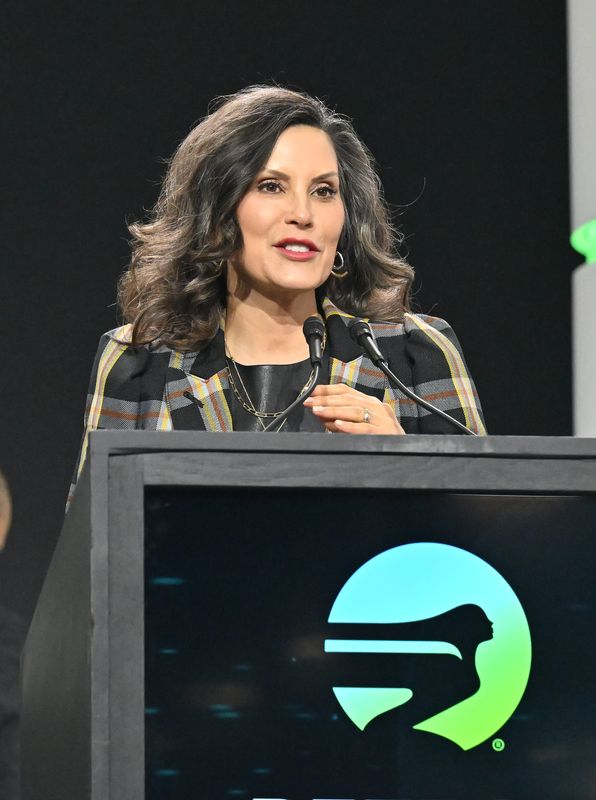
“Never stop spending” is the call Gov. Gretchen Whitmer is rallying to as she moves through her last year as Michigan governor.
Whitmer presented her eighth and final budget proposal last week and is asking lawmakers to approve $88 billion in total spending.

That’s up from $58.1 billion in 2019, the year she took office. If this plan, as offered, is approved by the Legislature, the governor will have overseen the growth in the size of state government by 52% in just eight years.
That’s twice the 26% increase in inflation during that period.
Much of the increase is tied to expansions in Medicaid and other spending that soared during the pandemic and have never been returned to previous levels.
To pay for the expansion, Whitmer is asking for nearly $1 billion in tax and fee hikes from residents whose incomes have not kept pace with her spending. Michigan has fallen to 37th nationally in median household income, down from 32nd when she took office, and is now roughly $9,000 below the national average.
Whitmer also wants to draw down $400 million from the state’s $2 billion rainy day fund to cover the cost of her spending ambitions. That’s a reckless move in a year when the budget shortfall is the result of excessive spending rather than a dramatic drop in revenue.
Just three years ago, Michigan was sitting on a $9 billion surplus thanks to a massive infusion of federal COVID-era grants and higher tax revenue.
That money is all gone, largely spent on one-time projects and for increased education funding that has not paid off in better school performance. Almost nothing was done to improve Michigan’s long-term financial structure.
Whitmer’s budget continues a large portion of COVID-era spending, even though the windfall is gone.
The governor is setting the state up for structural deficits to extend well beyond her tenure unless future legislatures and governors continue to deplete the $2 billion emergency fund or pass broad tax hikes.
In this budget, Whitmer is proposing targeted tax and fee hikes on cigarettes, sports wagering, garbage dumping and boating, hunting and fishing licenses. She also wants to add a 4.7% levy on digital advertising.
The request for more revenue sets up a fight with the Republican-controlled House, which has sought to cut spending instead. That’s prudent, given the very real risk that anticipated revenue will fall below projections due to uncertainty about the national economy.
Michigan, under Whitmer’s leadership, has shown no discipline in its handling of the people’s money. Republicans in the House should hold fast to their pledge to return fiscal responsibility to Lansing.
This article originally appeared on The Detroit News: Our View: Whitmer just keeps on spending. House must hold to fiscal responsibility.
Reporting by The Detroit News / The Detroit News
USA TODAY Network via Reuters Connect