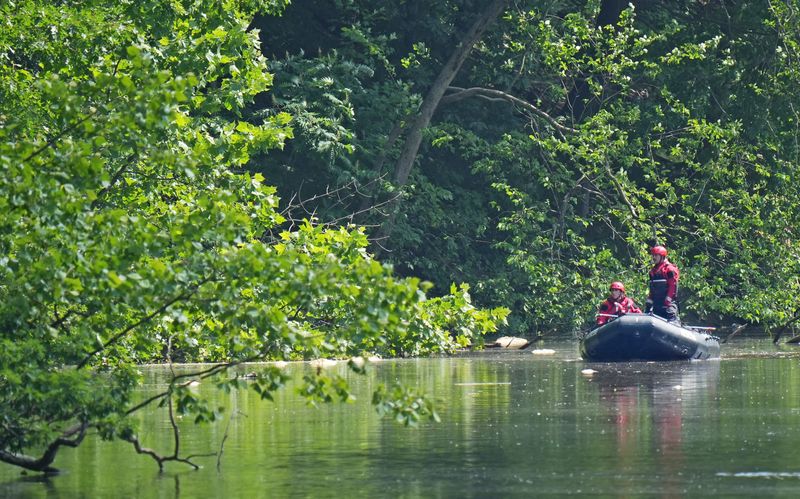
The conditions of the Cuyahoga River change constantly based on weather and time, so it’s important to know how to approach the waterway safely when floating or paddling.
Concern about safety were compounded last weekend death after a 5-year-old boy and his father capsized in an inflatable in Cuyahoga Falls. Additional rescues were also needed in Kent to save people from fast-moving water.

The Cuyahoga River isn’t maintained by the Cuyahoga Valley National Park for recreational use, meaning its conditions are ever-changing — and it’s up to users to be in the know about potential safety hazards in the river before they arrive. By visiting the Cuyahoga River Water Trail’s site, Plan a Safe Trip, visitors can check off important safety precautions before heading out on the water. Known hazards are listed on the Cuyahoga Valley National Park’s Paddling the River page.
“The first thing is: scout your route, know your capabilities and know the flow of the river,” Capt. David Moore of the Kent Fire Department said.
When is it unsafe to float or paddle the Cuyahoga River?
Before planning your trip, check water conditions and weather.
The United States Geological Survey records water temperature and flow at three different gages on the Cuyahoga River — USGS Old Portage Gage, USGS Jaite Gage and USGS Independence Gage. By looking at the average temperature and flow of the water, visitors can determine when the water conditions are unusual and unsafe.
For example, the flow of the river was recorded at 2,030 cubic feet per second June 23, but the median flow from 13 years of data is 480 cubic feet per second and the mean is 787 cubic feet second. These elevated water conditions are unsafe.
Unless you are a whitewater trained and equipped kayaker, the Kent Fire Department recommends against visitors going out on the river when the water flow is over 500 cubic feet per second. Inflatables and tubes should only be used in water that is slow, safe and shallow, Moore said.
Float the River, a river tubing group in Cuyahoga Falls and Zanesville, has been closed since June 15 due to unsafe river conditions, according to co-owners TJ Mack and Savannah Snyder. Float the River cancels their tubing trips when the river flow reaches around 700 or 800 cubic feet per second to keep their customers safe from hazardous water. Float the River wasn’t involved in the recent deaths that occurred on the Cuyahoga.
“Our hearts go out to the family and friends affected by the recent tragedy,” Mack said. “This is a heartbreaking loss, and we join the community in grieving alongside them. Rivers are a place of peace and joy, but they can also become dangerous quickly.”
Beware of high bacteria levels after rain
While most people hope to avoid being in the water during their paddle or raft down the river, falling in is always a possibility. High levels of bacteria, which can occur after rain due to sewer overflows and storm water runoff, can be unhealthy if ingested or exposed to cuts in the skin.
Make sure to check water conditions at USGS Great Lakes NowCast.
Follow these tips to stay safe on the Cuyahoga River
Other important factors to keep in mind before going out on the river:
Watch out for swift currents, log jams and strainers
The Cuyahoga Valley National Park warns visitors of hazards like swift currents, log jams and strainers. Strainers are downed trees or even branch that water can pass through. A potential drowning situation could occur if a current pulls a boat into the strainer, trapping the paddler. If you encounter a hazard, carry your boat around the obstacle.
Visitors shouldn’t rely on inflatables to be able to get them away from hazards like strainers, Moore said. If you are in an inflatable and see a hazard, get out of the boat and walk around the section.
“That’s the biggest issue right now on the rivers,” Moore said. “When you’re in an inflatable, you can’t get away quick enough, and it’s going to take you right to that danger. So it’s best just to leave those for the slow summer days when it’s really shallow and the river is slow.”
What should you do if your boat or inflatable capsizes?
While on the water, be prepared to capsize and swim. If you end up in the water, grab the upstream side of the boat. Hold on to your boat unless your life is endangered.
Be aware of your surroundings and exact location. If an accident occurs, call 911 and report your location.
Reporter Julia Pentasuglio can be reached at jpentasuglio@gannett.com
This article originally appeared on Akron Beacon Journal: Cuyahoga River can be unpredictable; here’s how to plan for a safe paddle or float
Reporting by Julia Pentasuglio, Akron Beacon Journal / Akron Beacon Journal
USA TODAY Network via Reuters Connect