Infrastructure can cut both ways for housing developments in Westchester County.
Developers say strong transit access and other public infrastructure can help attract residents and spur foot traffic, but some also view municipal requirements to build supporting infrastructure as a burden on new housing projects.

As housing development continues to spread across the region, infrastructure upgrades are expected to follow to meet growing demand for transportation, water and sewer services.
Westchester has long benefited from its proximity to New York City and access to Metro-North rail services. A sweeping capital project that includes $6 billion for Metro-North improvements is expected to strengthen the Hudson, Harlem and New Haven lines, benefiting surrounding communities and supporting transit-oriented housing growth.
Meanwhile, a range of local infrastructure projects is moving forward, many in tandem with new housing developments.
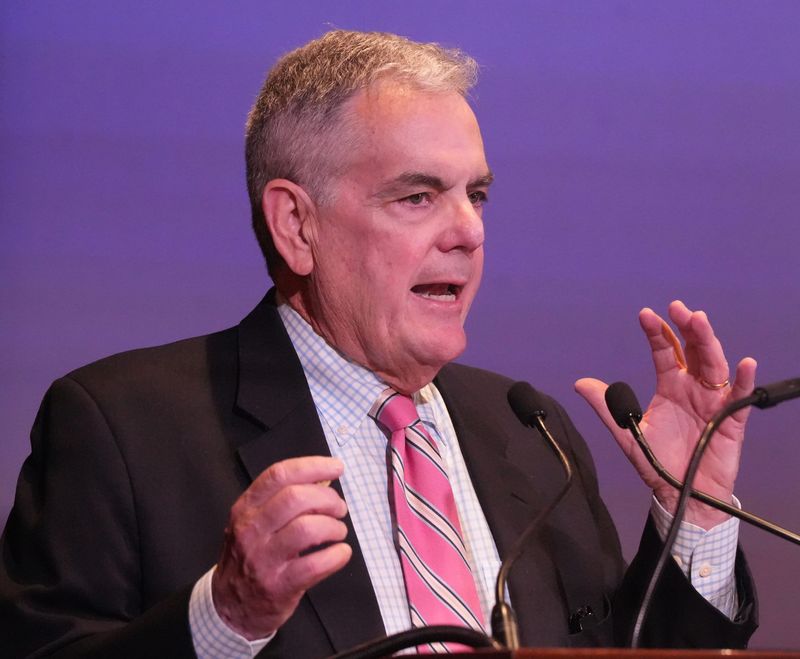
At a real estate conference by the Westchester County Association on May 13, developers and transit officials outlined their vision for the region’s growth and the challenges ahead. Here are some of the major developments to watch in the coming years.
Historic Metro-North capital project
The Metropolitan Transportation Authority has launched its largest capital program to date, with about $6.2 billion slated for Metro-North improvements. The work includes overhauling the Grand Central Artery, strengthening vulnerable stretches of the Hudson Line, renovating stations, upgrading power systems, replacing railcars and making accessibility improvements at the Ludlow and Wakefield stations on the Hudson Line.
Jamie Torres-Springer, president of construction and development at the Metropolitan Transportation Authority, said transit improvements in Westchester create opportunities but also require navigating challenges such as environmental reviews and public land-use issues.
“In a region like ours that is so heavily built out, there is so much opportunity but also so much complexity,” Torres-Springer said. “We have to figure out how to close the gaps.”
The MTA has also worked with developers to repurpose MTA-owned parking lots near train stations to support new housing projects.
How infrastructure demands can complicate housing projects
Housing projects in Westchester often come with infrastructure upgrades to meet rising demand for transportation, water and sewer services. Developers often shoulder those costs and responsibilities as part of the approval process.
One example is the redevelopment of the former United Hospital site in Port Chester. The 15.5-acre site including about 1,300 housing units required significant and unanticipated spending to upgrade the water system.
In some cases, developers say they are required to fund infrastructure improvements that exceed the actual demands their projects would place on the system. One change developers say they would like to see is a closer alignment between infrastructure requirements and a project’s actual impact.
Helu Wang covers economic growth, real estate and education for The Journal News/lohud and USA Today Network. Reach her at hwang@gannett.com and follow her @helu.wangny on Instagram.
This article originally appeared on Rockland/Westchester Journal News: Inside the annual Westchester housing development, real estate forum
Reporting by Helu Wang, Rockland/Westchester Journal News / Rockland/Westchester Journal News
USA TODAY Network via Reuters Connect