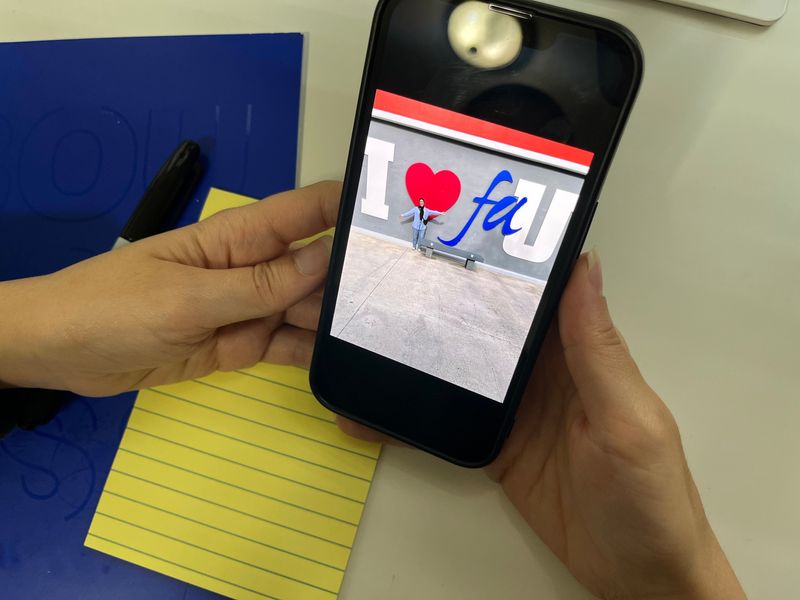
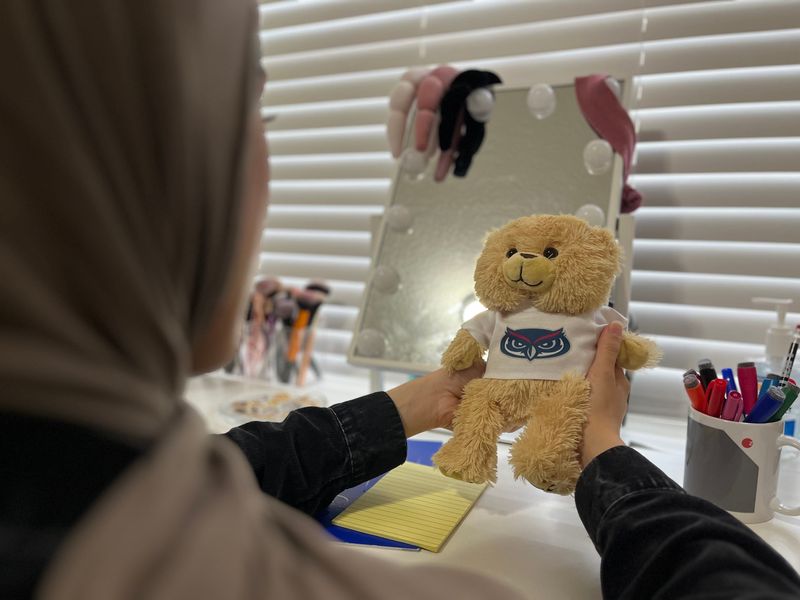
BOCA RATON — Fatima and Fatheha were going to cross the graduation stage at Florida Atlantic University in December, set to be the first persons in their families to earn college diplomas. Instead, Fatheha just transferred to a private university and Fatima now doubts she will ever become a civil engineer.
They are two of thousands of students that didn’t return to Florida colleges and universities this fall after Gov. Ron DeSantis repealed a 2014 law that allowed over 6,000 students without permanent legal status in the United States to pay in-state tuition every year. The waiver was granted to those who completed three years at a Florida high school and enrolled in the state’s college system two years after graduation.

Fatima and Fatheha are recipients of Deferred Action for Childhood Arrivals, more commonly known as DACA. The 2012 era immigration policy offers protection, though temporary, from deportation and work authorization to undocumented immigrants brought to the United States as children.
Fatima and Fatheha asked The Palm Beach Post to publish only their first names to protect their identities.
With DeSantis’ repeal, on July 1, the two saw the tuition for their last semester at FAU quadruple, rising from $5,000 to $20,000. Neither could afford the sum and both withdrew from FAU, ending their dream of receiving a degree from the Boca Raton university.
“My dreams were basically being ripped away from me without my choice,” said Fatheha, who was 5 when her family moved to Broward County from Palestine.
“Why is education a threat?” Fatheha asked. “Dreamers and undocumented immigrants who are going to school, we’re giving back to society and this economy.”
DeSantis argued the in-state tuition waiver burdened Florida taxpayers and incentivized illegal immigration. The order was part of a broader set of policies that also mandated state university police departments sign federal agreements, which require campus officers to collaborate with immigration authorities.
“I don’t think you should be admitted to college in Florida if you’re here illegally,” said DeSantis in February. “But to give in-state tuition was just a slap in the face to taxpayers.”
Education advocates disagree. They say the governor’s policies will lead to a drop in enrollment at Florida public colleges and universities, which stand to loose $15 million in annual revenue from DACA recipients and children brought to the U.S. as undocumented immigrants, also known as ‘dreamers,’ according the Florida Policy Institute, a nonpartisan organization based in Orlando.
The policies also will affect Florida’s economy for years to come, according to Diego Sanchez, an immigration attorney and policy director for The President’s Alliance on Higher Education and Immigration.
“Florida is already facing a shortage of workers and these are students that are ready to fill those gaps,” Sanchez said. “Now there’s going to be more roadblocks and shutting down education for these students. It is not just hurting them — it’s also hurting Florida’s economy and workforce.”
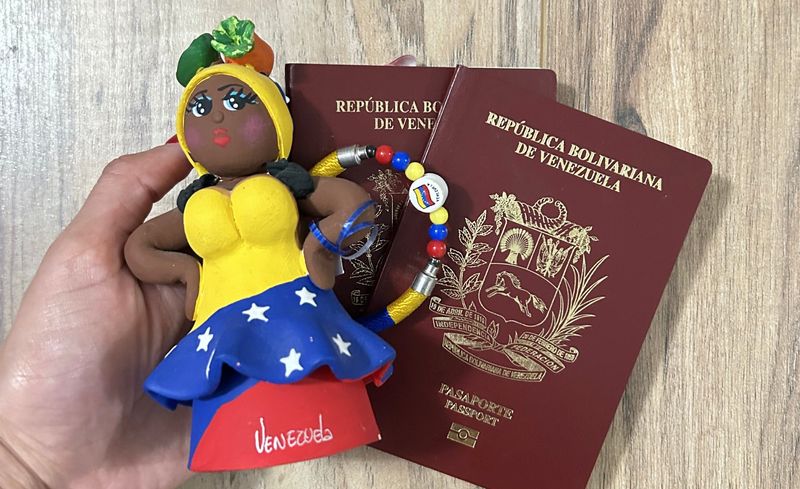
One of those students is Arianna, 16, who lives in Palm Beach County and dreams of becoming a pediatric nurse.
Arianna says one of the main reasons her parents fled Venezuela was to give her the opportunity to go to college. But now, despite standing at the top of her class and earning 86 college credits as a junior in high school, she has given up on her hopes to attend Florida International University.
“The American dream is coming here and being able to make something of yourself, and they’re taking that away,” Arianna said. “They’re taking everybody’s dreams away. It’s our future that they’re playing with.”
Florida ends in-state tuition for over 6,000 undocumented students
In 2014, Gov. Rick Scott signed a law that passed the GOP-led Legislature to provide certain minors without permanent status in-state tuition on the basis of equity with expectations that it would also boost enrollment in higher education and strengthen local economies with skilled workers.
“Students that grew up in our state are going to get the same in-state tuition as their peers, which is what’s fair,” Scott said at the time.
The waiver was limited to students that attended a Florida high school for at least three years and had enrolled in the state college system within two years of graduation.
But over the last decade, Florida state lawmakers changed their stance on rights for undocumented immigrants to align with the policies of the DeSantis and Trump administrations.
In February, the Florida Legislature struck down the decade-old law.
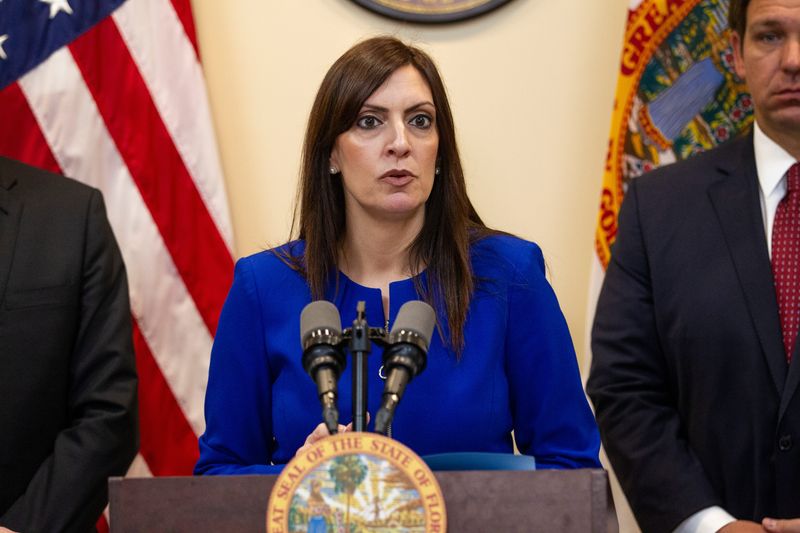
“It’s time to repeal this law,” said FIU President Jeanette Nuñez, a key player in passing the 2014 law when she was a member of the state House of Representatives. “It has served its purpose and run its course. Florida will not incentivize illegal immigration through this law or any other.”
Before the repeal, Florida was among 25 states that had passed “tuition fairness laws,” which sought to increase access to higher education for undocumented students brought to the country as minors.
DeSantis said the repeal would dissuade undocumented immigrants from attending Florida colleges because they would now have to pay triple in tuition rates.
The hike can be seen at Florida Atlantic University where in-state tuition for a full-time semester starts at $5,976, while out of state tuition is priced at $19,000. If living expenses are included, costs go up to $31,000 and $44,000, respectively, per semester.
Repeal of in-state tuition for undocumented students could hurt Florida’s economy, state universities
Florida’s in-state tuition waiver had allowed thousands of children without permanent legal status the opportunity to afford college for 10 years, Sanchez said. Now many of them will be priced out of higher education in the state where they grew up.
“Florida is basically pulling the rug from under these students that are already enrolled, paying and on track to graduate,” said Sanchez, a former DACA recipient himself. “It’s really self-defeating. Florida is losing homegrown talent.”
Sanchez said Florida’s labor force will miss thousands of skilled workers every year who lack access to the education needed to fill careers in their local labor markets. Dreamers contribute $78 million in state and local taxes in Florida annually, according to the Florida Policy Institute.
Florida public colleges and universities — where enrollment remains 11% below pre-pandemic levels — also stand to lose thousands of students and funding. After the repeal of the in-state tuition waiver and the signing of federal policing agreements, some organizations have withdrawn their financial support.
One of those is TheDream.US, the country’s largest college success program for undocumented students, which pulled $27 million out of the state’s college system.
A drop in enrollment could change the diverse character of higher education institutions in Florida, where much of the student body are either immigrants or descendants of immigrants, said Jack Maguire a fellow at FIU’s Václav Havel Program’s Global Immigration and Migration Initiative.
“These are the kids that everyone grew up with,” Maguire said. “The only thing that makes them different is that they don’t have a piece of paper that says they’re not from here.”
“These kids that have dreams to college to become the next big engineer, business leader here and artists contributing to our communities,” Maguire said. “We’re basically shooting ourselves in the foot.”
Valentina Palm covers Royal Palm Beach, Wellington, Greenacres, Palm Springs and other western communities in Palm Beach County for The Palm Beach Post. Email her at vpalm@pbpost.com and follow her on X, the platform formerly known as Twitter, at @ValenPalmB. Support local journalism: Subscribe today.
This article originally appeared on Palm Beach Post: Lawmakers touted in-state tuition for DACA students as a good thing. Then politics shifted.
Reporting by Valentina Palm, Palm Beach Post / Palm Beach Post
USA TODAY Network via Reuters Connect