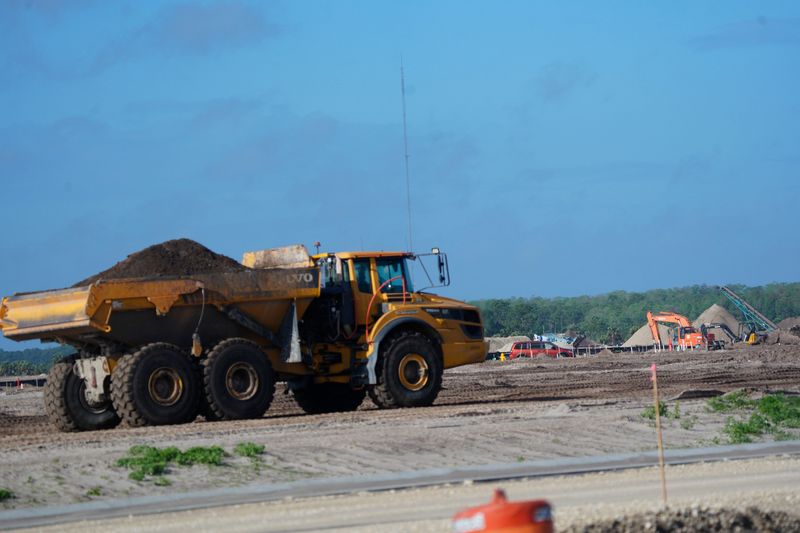
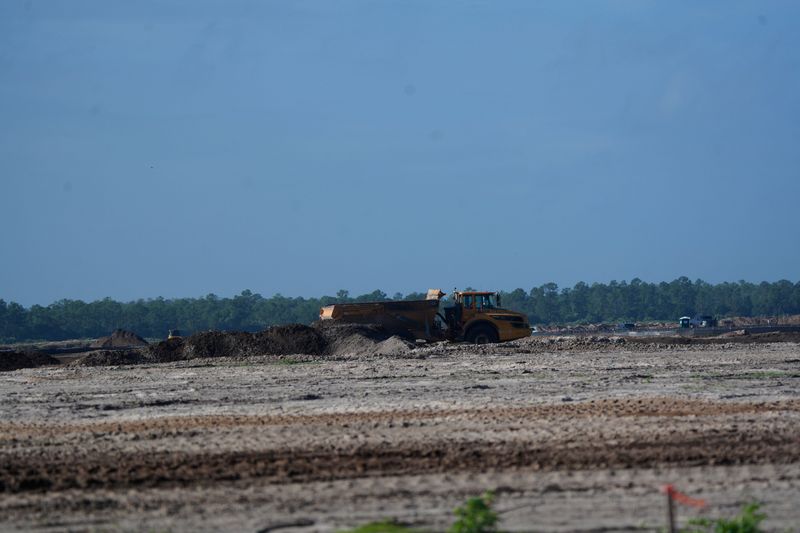
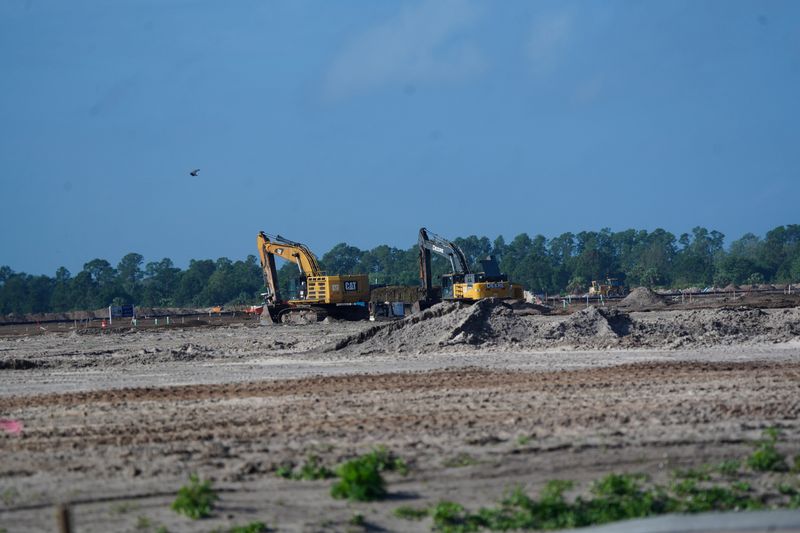
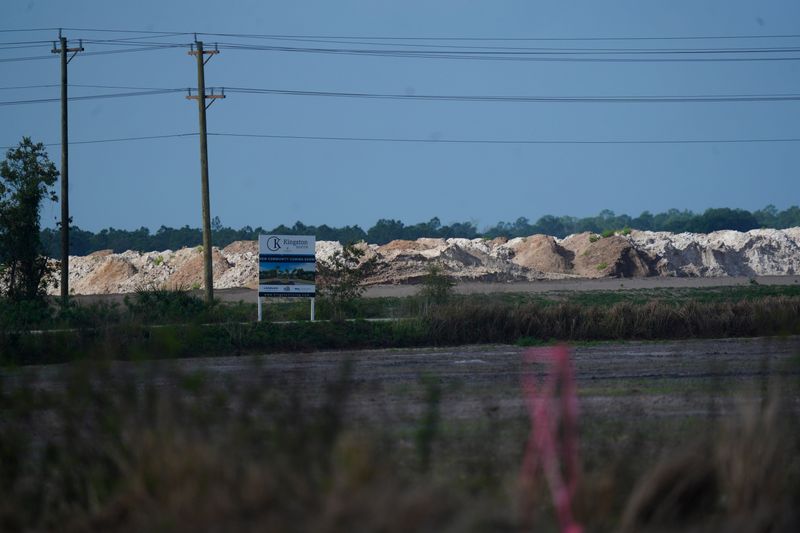
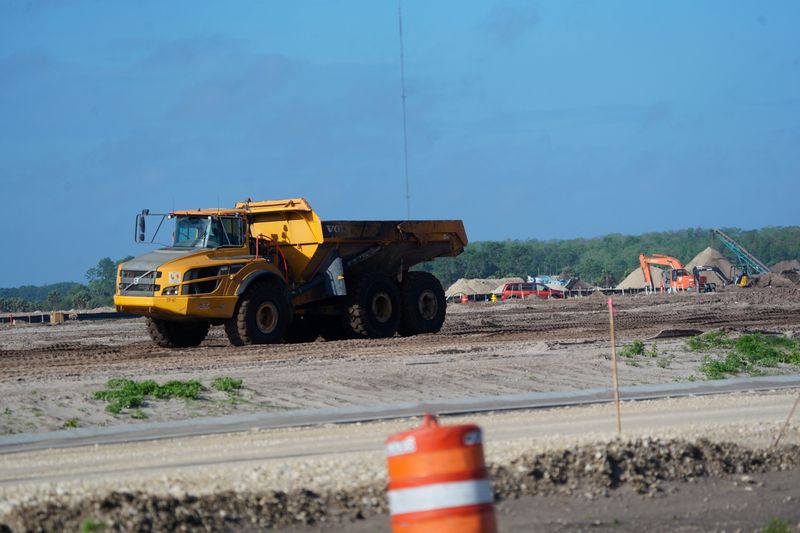
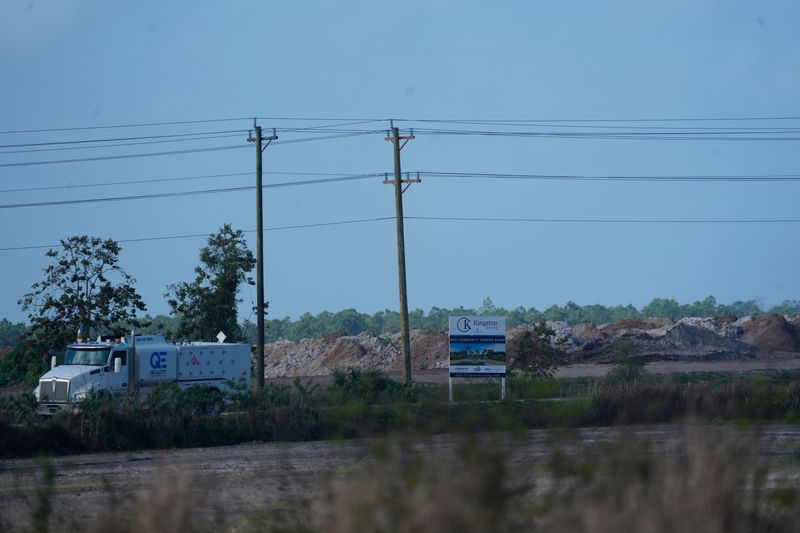
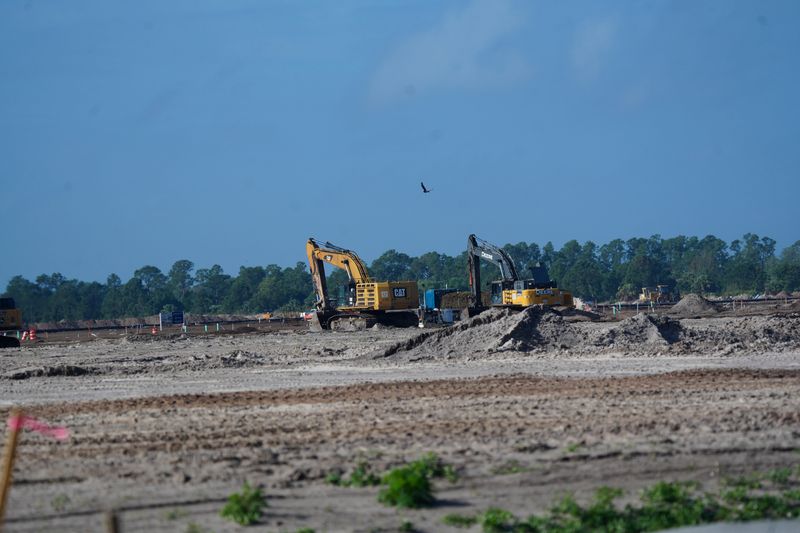
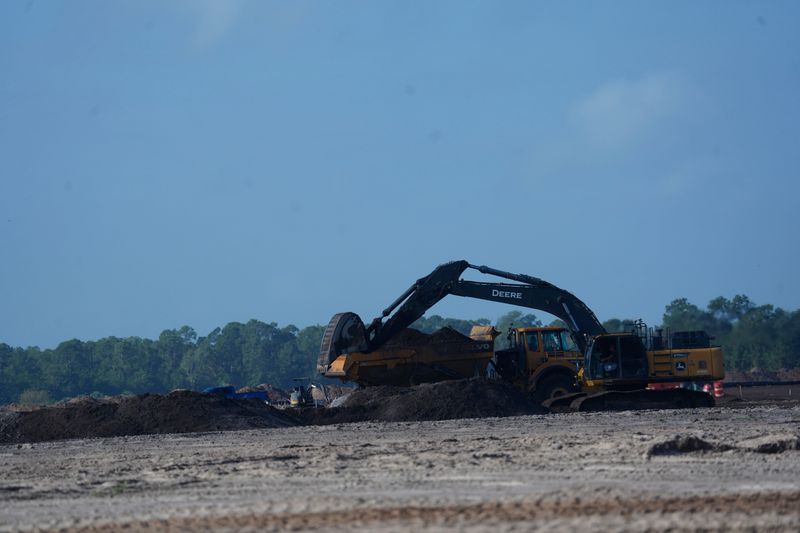
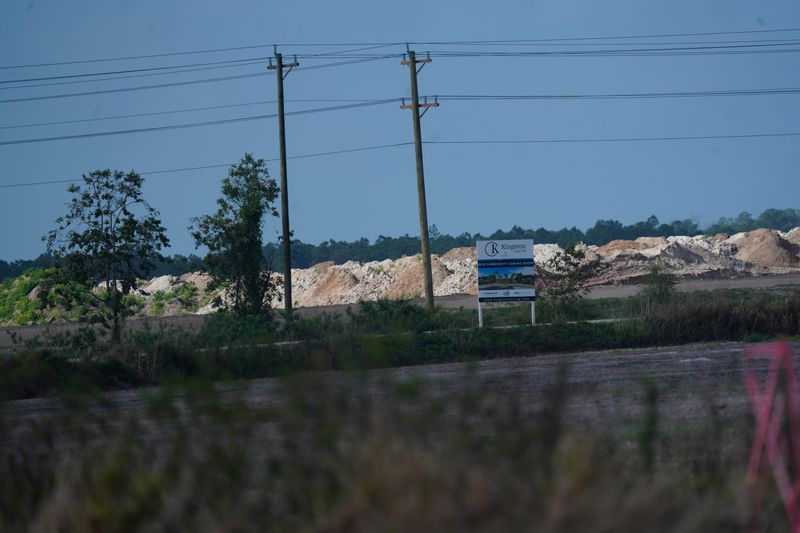
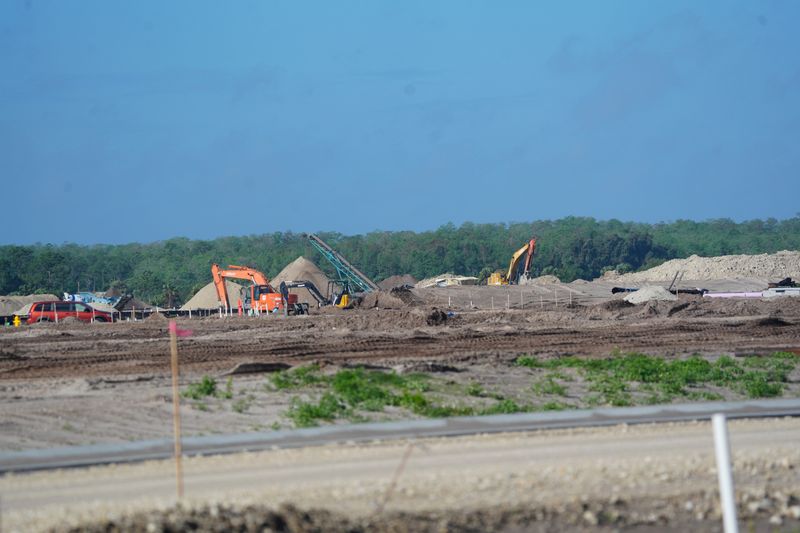
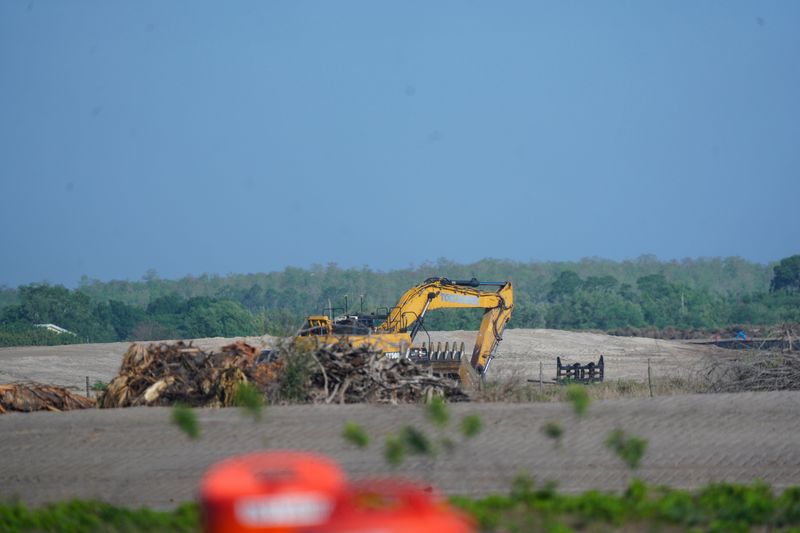
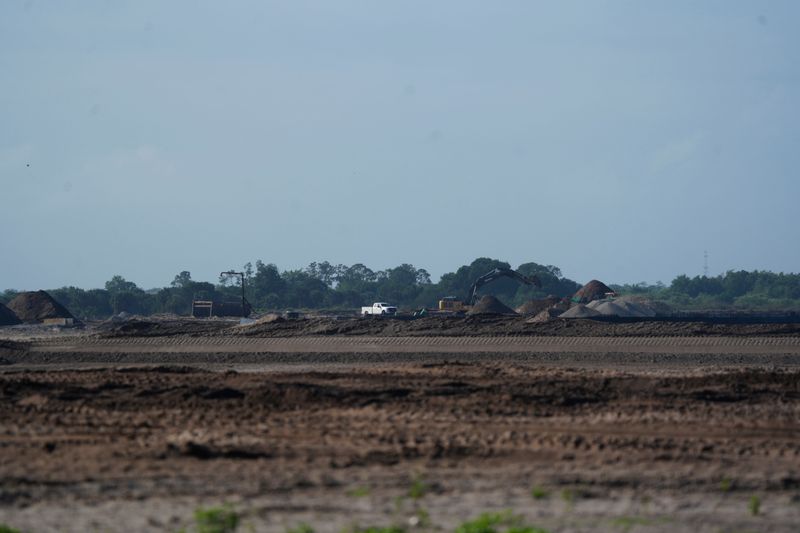
A federal judge has denied a request by the National Audubon Society to halt construction of the massive Kingston development in southeast Lee County.
In a 22‑page order, U.S. District Judge Kyle C. Dudek of the Middle District of Florida on March 24 rejected Audubon’s motion for a preliminary injunction that sought to freeze a Clean Water Act permit for Southwest Florida’s Kingston project.

That’s a slated 10,000‑home, mixed‑use development off Corkscrew Road, a dozen miles east of Interstate 75, planned on almost 7,000 acres, adjacent to Audubon’s Corkscrew Swamp Sanctuary.
“Preliminary injunctions are extraordinary remedies,” Dudek wrote, concluding that Audubon had not met the legal standard required to stop the project while the lawsuit continues.
Here’s what to know.
What’s status of underlying lawsuit tied to SW Florida’s Kingston?
The ruling allows construction to proceed for now, though Dudek emphasized that the decision does not resolve the underlying lawsuit, which challenges the federal permitting process on the merits.
Audubon sued the U.S. Army Corps of Engineers and the U.S. Fish and Wildlife Service, arguing that the agencies violated the Endangered Species Act, the Clean Water Act and the National Environmental Policy Act when they approved a federal dredge‑and‑fill permit for Kingston.
What does Audubon say on Southwest Florida’s Kingston project?
The conservation group contends that the project threatens water quality at the Corkscrew Swamp Sanctuary, a 13,400‑acre preserve, and would harm federally protected wildlife, including the Florida panther. Audubon sought an injunction to halt construction until the case is resolved.
According to the lawsuit, the development would destroy or degrade critical panther habitat, increase traffic in the region and lead to more vehicle‑related panther deaths. Audubon also argued that the Corps should have required a more comprehensive Environmental Impact Statement instead of relying on a shorter Environmental Assessment.
Judge emphasizes Florida’s regulatory review of Lee County land
In denying the injunction, Dudek underscored the extensive regulatory process that large developments must go through before receiving federal approval.
“Developers do not simply ask nicely and start digging,” the judge wrote. “Instead, they must run a gauntlet of federal, state and local regulatory reviews.”
What did judge say about Southwest Florida development?
Dudek noted that before issuing the permit, the Corps was required to consult with the U.S. Fish and Wildlife Service under the Endangered Species Act, complete an Environmental Assessment under the National Environmental Policy Act and comply with Clean Water Act permitting standards.
Ultimately, the Corps concluded that the project would have no significant environmental impacts requiring a full Environmental Impact Statement and issued the permit in April 2025.
How is the Florida panther a central issue in the SW Florida case?
A central issue in the ruling involved Audubon’s claim that federal agencies failed to adequately protect the Florida panther.
Audubon argued that the Fish and Wildlife Service ignored the best available science regarding panther‑vehicle deaths and habitat loss. Dudek disagreed, concluding that the agency reasonably evaluated the scientific data before reaching its conclusions.
Judge: ‘Project’s footprint will not doom panther overall survival’
The biological opinion prepared by the Fish and Wildlife Service, the judge wrote, “calculates the exact loss of primary and secondary habitat down to the decimal point” and acknowledged the importance of those areas for panther recovery: “It simply reaches a different conclusion, determining that the project’s footprint will not doom the panther’s overall survival,” Dudek wrote.
The judge also rejected Audubon’s argument that the agency was required to include an Incidental Take Statement addressing vehicle‑related panther deaths, finding that the agency reasonably concluded such impacts were not “reasonably certain” to occur.
What does the judge say about Clean Water Act impact on SWFL?
In addition, Dudek said Audubon was unlikely to succeed on its Clean Water Act claims. The judge wrote that many of Audubon’s concerns — such as increased irrigation, fertilizer runoff and broader development impacts — stem from the project as a whole rather than from the specific discharge of fill material authorized by the federal permit.
Under Clean Water Act regulations, Dudek said, the Corps is required to focus its analysis on impacts directly tied to the discharge itself, not every potential environmental effect of the overall development.
Judge thumbs down on Audubon argument in how feds use data
Similarly, the judge rejected Audubon’s argument that the Corps violated the National Environmental Policy Act by failing to take a “hard look” at environmental consequences. Dudek concluded that the Environmental Assessment addressed cumulative impacts and effects on nearby conservation lands, even if Audubon disagreed with the agency’s conclusions.
“Just because an agency doesn’t use the data in the precise way or to reach the result that plaintiffs would have preferred does not mean it was ignored,” Dudek wrote.
Audubon: ‘Determination ignores the best available science’
“Our complaint alleges the environmental review and analysis conducted by the Corps and the U.S. Fish and Wildlife Service in approving the project violated the National Environmental Policy Act, the Endangered Species Act and the Clean Water Act,” Keith Laakkonen, director of the Corkscrew Swamp Sanctuary, said March 30. “The Corps issued an Environmental Assessment that found the project will have ‘no significant impacts’ on the region’s environment.
“(Corps also said it) will not jeopardize or ‘take’ ― meaning harm, harass, etc. ― ecosystems and endangered and threatened species, including the rare and iconic Florida panther. This determination both ignores the best available science and threatens regional conservation goals.”
Could Kingston be ‘different story down the road?’ Absolutely.
While declining to block the Kingston project at this stage, Dudek acknowledged that the case is still in its early phases and that the full administrative record could potentially change the analysis later.
“Perhaps the full Administrative Record will tell a different story down the road,” he wrote.
How much invested so far in Southwest Florida’s Kingston?
For now, however, the court denied Audubon’s motion for a preliminary injunction, as well as requests for oral argument and an evidentiary hearing. The Kingston development is being pursued by CAM7‑SUB LLC, a subsidiary of the Cameratta Companies, which intervened in the case.
Court filings indicate the developer has invested more than $100 million in the project, where construction has already begun.
What Audubon says on effect on Corkscrew Swamp Sanctuary
“While we are disappointed the preliminary injunction was denied — bulldozers have been rolling and we are already seeing the effects to water and wildlife at Corkscrew — we are optimistic about our underlying challenge to the federal permits,” Laakkonen said. “Audubon has enlisted the attorneys of the Everglades Law Center to challenge the U.S. Army Corps of Engineers’ issuance of a Clean Water Act permit for this poorly designed project.
Drawing more than 80,000 visitors annually to its Blair Visitor Center, Corkscrew Swamp Sanctuary, established in 1954, spans more than 13,000 acres and includes the largest remaining old-growth bald cypress forest, “with many trees over 500 years old,” Laakkonen said. “Corkscrew is the beating heart of the Western Everglades, which is critical to Southwest Florida, (and) we will continue to fight to protect this national treasure.”
When did work begin on Kingston project in Lee County, Florida?
Construction following extensive groundwork began on Kingston last year, and the developer plans to continue that.
“The US Army Corp. permit was issued in April of 2025,” said Co-Managing Partner Chené Thompson of Pavese Law Firm, representing the developer. “Once the permit is issued, site clearing and construction may begin. Audubon did not file the lawsuit to challenge the US Army Corp Permit until August of 2025 and did not move for a Temporary Injunction to stop construction until Dec. 23, 2025.”
What does Cameratta Cos. say about the SW Florida case?
“The Court reviewed Audubon’s Motion for Temporary Injunction, the federal defendants’ and Cameratta’s responses in opposition,” Thompson said March 30. It “made the decision Audubon wasn’t entitled to a temporary injunction to stop construction because it did not have a substantial likelihood of success on the overall merits of the case.
“In reaching its decision the Court took into consideration the Clean Water Act, the Endangered Species Act as well as the National Environmental Policy Act and provided a thorough analysis of each. The court’s decision, in part, was a recognition that Kingston is intended to provide an overall net benefit to the environment.”
How many acres does Cameratta say it is restoring in Kingston?
“Everyone likes to talk about the number of homes being built, but it is also equally important to recognize the amount of restoration ― 3,300-plus acres ― that is being undertaken at no taxpayer dollars,” Thompson said. “On behalf of Cameratta Companies, we are very confident in the plan for Kingston.
“When completed, Kingston will be a model of how to develop responsibly and like Cameratta’s other proven projects, will attract and provide habitat for diverse wildlife and improve water quality for Southwest Florida.”
What are some of the home builders in SW Florida’s Kingston?
Along with the 10,000 or so homes at build out, Kingston would have more than 700,000 square feet of commercial space, along with extensive amenities.
Home builders include Lennar, Neal Communities, Pulte, Taylor Morrison and Kolter. Construction on model homes was beginning this spring, with the first ones targeted for completion by the end of the year. For its part, Taylor Morrison expects to open for sales late in the year for its nearly 1,300-unit Esplanade at Kingston.
Who’s U.S. District Judge Kyle Dudek, Middle District of Florida?
A 2010 product of the Antonin Scalia Law School at George Mason University, Dudek was appointed district judge by President Trump and assumed office six months ago on Sept. 11.
For three years previous, he was magistrate judge for the U.S. District Court for the Middle District of Florida.
Writing In the Know for the USA TODAY Network, Columnist Phil Fernandez (pfernandez@gannett.com) grew up in Southwest Florida and has led Pulitzer Prize-winning efforts. Sign up for our free Breaking Ground growth and development newsletter. Subscribe to our News-Press and Naples Daily News apps.
This article originally appeared on Naples Daily News: Federal judge refuses to halt Kingston development by Corkscrew Swamp
Reporting by Phil Fernandez, Fort Myers News-Press & Naples Daily News / Naples Daily News
USA TODAY Network via Reuters Connect