

A split vote by the St. Clair County Board of Commissioners is shining new light on an organization that has quietly shaped local service coordination for more than 40 years.
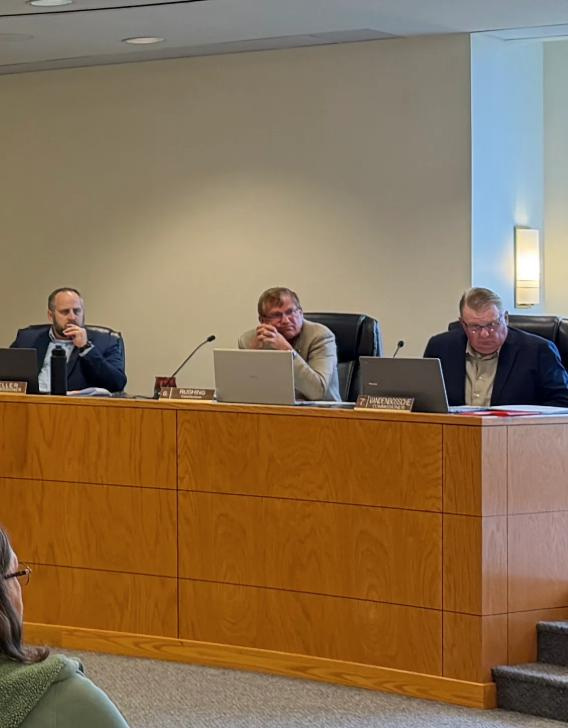
On May 21, the commission voted 5–2 to remain a dues-paying member of the Community Services Coordinating Body (CSCB), with Commissioners Dave Rushing and Joi Torello opposed.

The vote came amid questions from some county officials and residents about the organization’s structure, influence and accountability — and introduced many in the community to the CSCB for the first time, despite its decades-long presence.
What is the CSCB?
According to CSCB Assistant Division Director Amy Smith, the organization is best understood as a community collaborative.
“The CSCB is a group of interested agencies, organizations, businesses, human service providers and citizens that come together to address large-scale issues,” Smith told the Times Herald in a June 8 interview.
The CSCB began in 1984 as one of five Michigan pilot projects aimed at improving coordination among service providers. It has since grown into a network of more than 70 organizations across St. Clair County.
Members include St. Clair County Community Mental Health (CMH), the St. Clair County Health Department, United Way of St. Clair County, St. Clair County RESA, YMCA of the Blue Water Area, local school districts, law enforcement agencies, hospitals, housing organizations and other service providers.
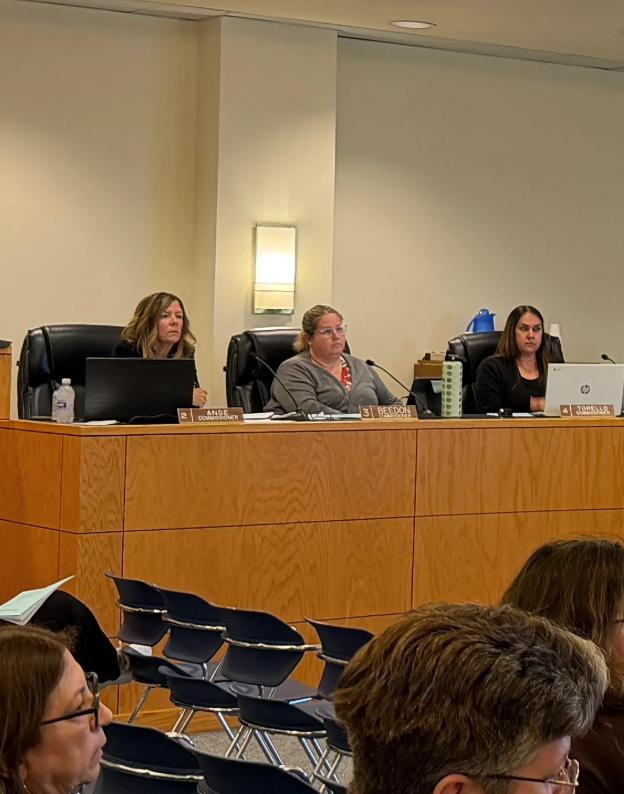
District 3 Commissioner Lisa Beedon serves as the county’s representative to the CSCB, with District 2 Commissioner Kerry Ange as the alternate.
CMH acts as the CSCB’s fiduciary agency, providing administrative and staffing support.
Despite its broad membership, CSCB leaders stress that it is not a standalone service provider.
“We are not an organization. We are just a group of organizations that come together to do better for our community,” said Deb Johnson, CSCB chair and chief executive officer of CMH, in a June 8 interview.
Why does it matter?
Supporters say the CSCB’s value lies in its ability to bring organizations together to tackle issues no single agency can solve alone.
“It is a valuable and strategic partnership between community organizations and citizens to collaborate on current and emerging issues in our community,” Beedon said in a May 28 email to the Times Herald. “It helps reduce, if not eliminate, duplicated services, allowing resources like time and money to be used to their fullest capacities.”
The collaborative organizes its work around three priorities: economic self-sufficiency, education, and health and wellness.
Workgroups focus on housing, early childhood development, youth services, substance use prevention and recovery, transportation and other community needs.
Meetings provide a forum for organizations to share information about grant opportunities, training programs, community events and available resources, while also forming partnerships and coordinating services.
Beedon pointed to housing and homelessness as an example.
“Issues like housing and homelessness are very complex and multifaceted,” she said. “Having the CSCB allows community leaders and citizens to work together, pool resources and address not just housing, but other factors contributing to the crisis.”
CSCB leaders also cite collaborations tied to opioid response efforts and health care access as examples of the group’s impact.
Membership and meetings
Membership is voluntary and funded through annual dues paid by participating organizations.
Dues are based on a tiered system tied to an organization’s budget. Under the 2026 structure, St. Clair County’s contribution will increase from $5,000 to $7,500. According to Johnson, the CSCB’s annual operating budget is approximately $75,000, with dues helping cover staffing and administrative expenses.
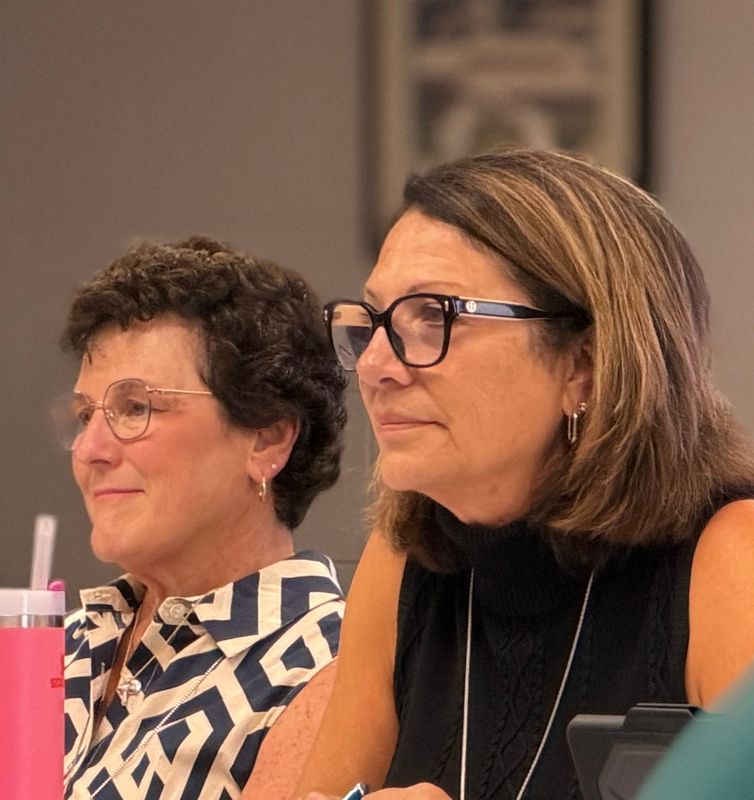
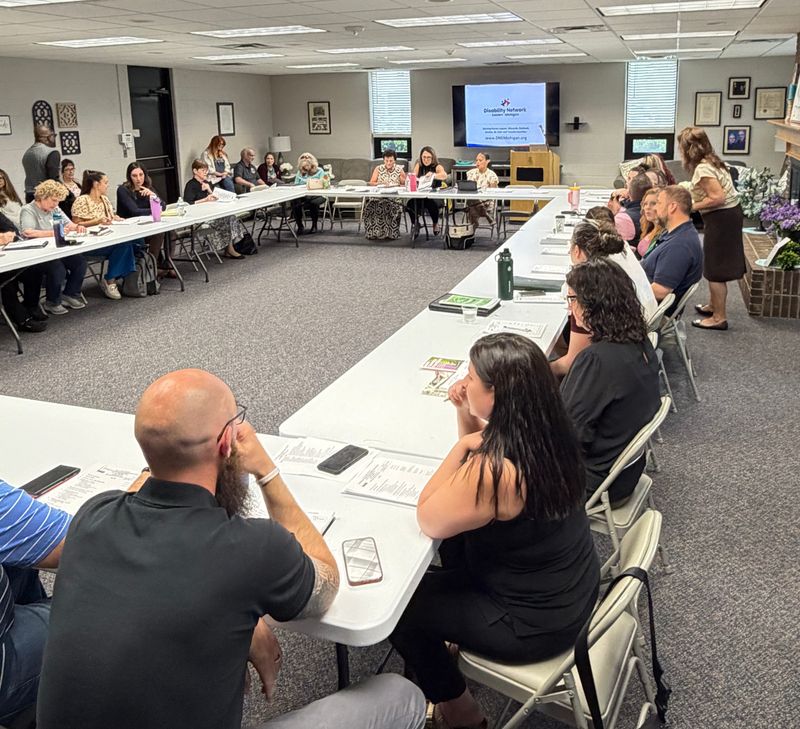
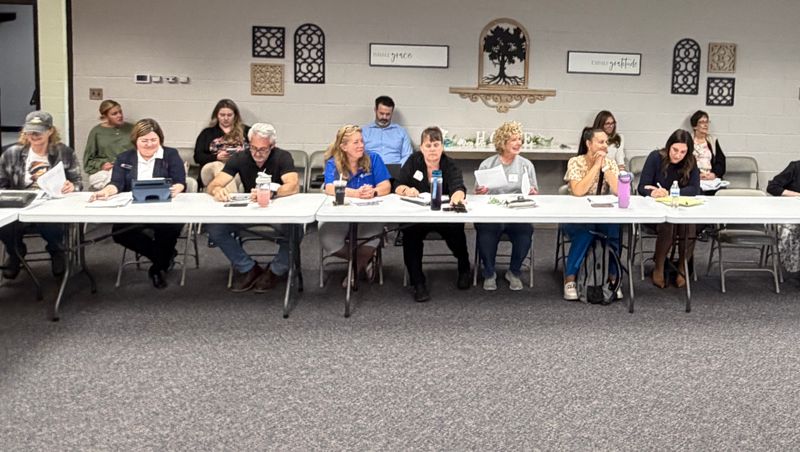
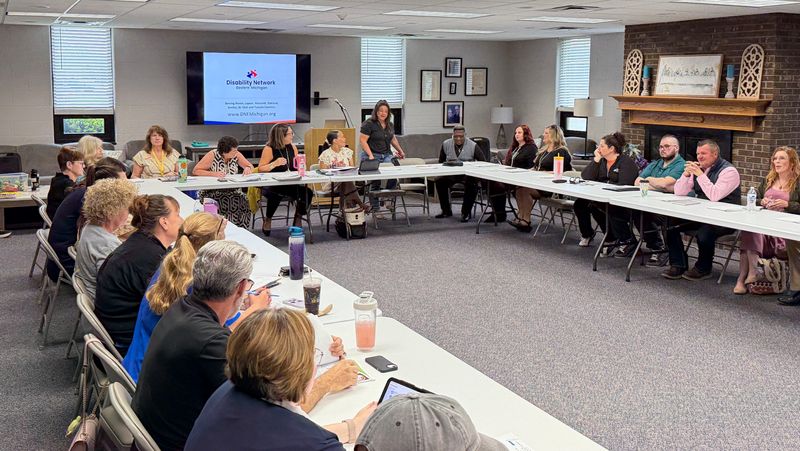
Meetings are open to the public and held from 2–4 p.m. on the third Wednesday of odd-numbered months at the Harvey Community Center, 3013 24th St. in Port Huron. Remaining meetings this year are scheduled for July 15, Sept. 16 and Nov. 18.
Questions remain
The dues increase was one factor discussed ahead of the commission’s vote.
Rushing told the Times Herald he wanted more information before supporting continued membership.
“They might do great stuff,” he said. “I want them to be accountable. I want to see where the dollars are going.”
Torello said she had recently received additional information about the CSCB and wanted more time to review it.
“I did receive some data that I want to read through and process,” she said.
Despite those concerns, a majority of commissioners voted to continue the county’s participation.
For an organization that has largely operated in the background, the recent debate has raised its public profile — and created an opening to better explain its role.
Whether through discussions of public health, housing, education or social services, CSCB leaders say their mission remains focused on bringing organizations together to address community needs.
Contact reporter Andy Jeffrey at ajeffrey@usatodayco.com.
This article originally appeared on Port Huron Times Herald: Meet the CSCB, St. Clair County’s quiet collaborative
Reporting by Andy Jeffrey, Port Huron Times Herald / Port Huron Times Herald
USA TODAY Network via Reuters Connect
By Andy Jeffrey, Port Huron Times Herald | USA TODAY Network
